

Improving Residential Energy Efficiency: Practical Solutions for Lower Energy Costs
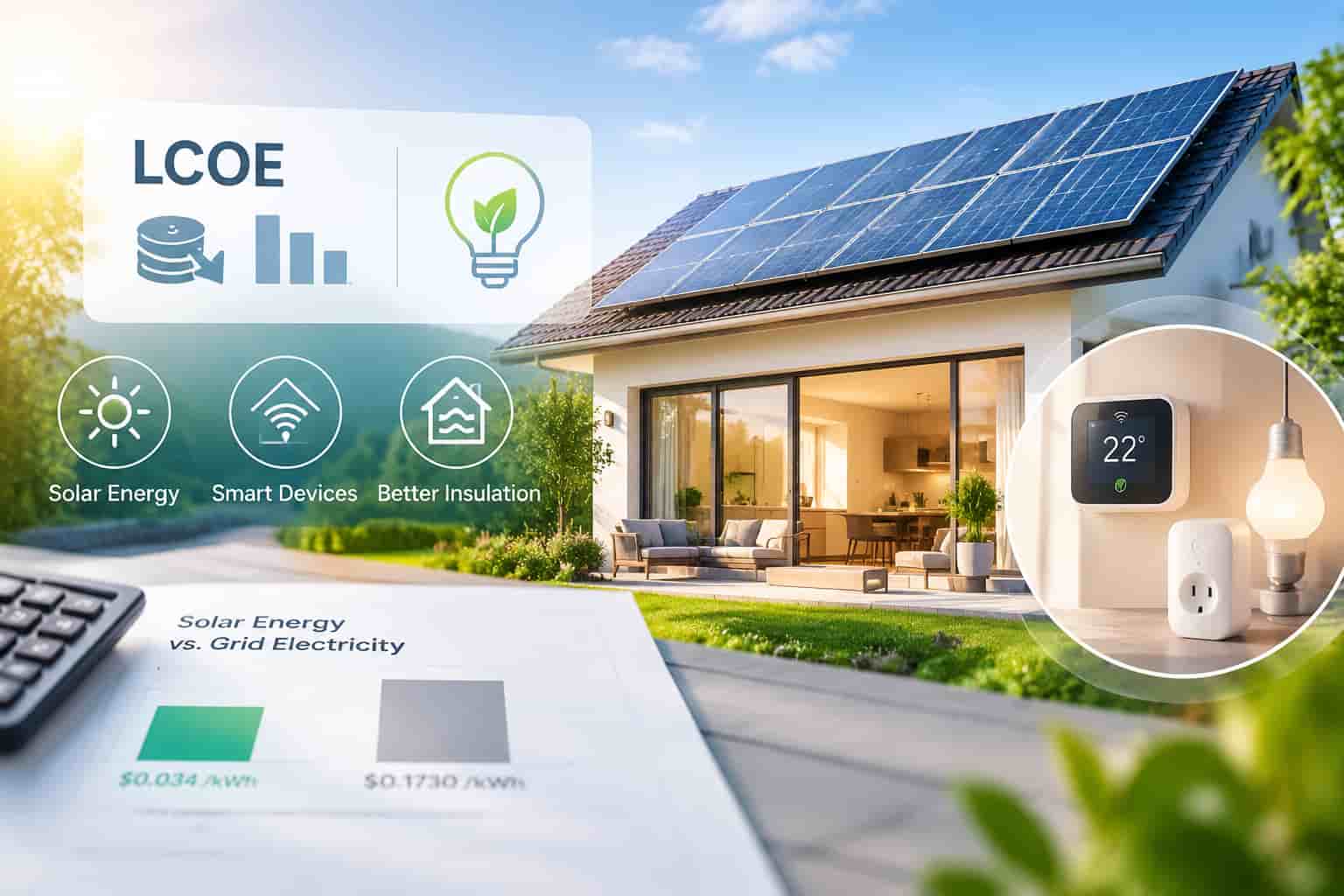
Electricity is an essential part of modern household life. From lighting and cooling systems to computers, televisions, refrigerators, and cooking appliances, nearly every daily activity depends on a stable electricity supply. As global electricity consumption continues to increase, energy costs are also rising. According to the U.S. Energy Information Administration (EIA), the average residential electricity price in the United States increased from approximately $0.1309/kWh to $0.1730/kWh, leading more homeowners to seek reliable solutions for improving household energy efficiency.
An energy-efficient home allows homeowners to reduce electricity expenses while maintaining daily comfort. By using advanced energy-saving technologies and adopting smarter energy management practices, households can optimize power consumption and improve overall efficiency. Solutions such as solar panels, smart home systems, and effective insulation can help minimize energy waste and enhance home performance.
With increasing electricity prices worldwide, residential energy efficiency has become a key focus for homeowners. Modern energy solutions provide more opportunities to monitor, control, and optimize household energy usage. By analyzing how energy is consumed at home, homeowners can choose suitable technologies and strategies to achieve greater efficiency and long-term cost savings.
Understanding the Role of Levelized Cost of Energy in Energy Systems
The levelized cost of energy (LCOE) is an important financial metric used in the energy industry. It represents the average cost of generating one unit of electricity (1 kWh) throughout the entire lifetime of an energy system. The calculation considers all related expenses, including the initial investment, system operation, maintenance, servicing, and fuel costs. By evaluating these factors, LCOE helps determine the minimum electricity cost required for an energy project to achieve cost recovery. This analysis is an important part of improving home energy efficiency.
LCOE also provides a reliable method for comparing different energy systems based on their overall costs and performance. It helps users evaluate which energy solution is more suitable according to their budget, as well as estimate the total cost after system installation. By considering the complete lifecycle cost, LCOE offers a comprehensive view of an energy system’s economic efficiency.
Several key factors are included in LCOE financial calculations. The primary factor is the capital investment, which covers the initial system cost. The calculation also includes ongoing expenses, such as operation and maintenance costs, while the discount rate varies depending on regional economic conditions and project requirements.
The LCOE approach is widely applied to various energy technologies, including solar photovoltaic (PV) systems. It helps homeowners and investors evaluate whether a solar panel system provides sufficient economic value over its lifetime. Without LCOE analysis, it can be difficult to accurately determine whether an energy system is financially practical. Therefore, the levelized cost of energy (LCOE) remains a critical factor when assessing the long-term cost-effectiveness of solar energy systems.
Why LCOE Matters for Home Energy Efficiency Planning
Evaluating the levelized cost of energy (LCOE) is essential for improving home energy efficiency. It provides a clear understanding of the total cost required to generate energy throughout the lifetime of an energy system. This information helps homeowners and energy efficiency experts make informed decisions when selecting suitable energy solutions.
Comparing Different Energy Options
LCOE provides a practical way to compare different energy sources, such as solar panels, wind turbines, and gas generators. Although these systems have different installation and operating costs, LCOE evaluates their overall cost performance over the entire system lifetime.
Home energy efficiency experts use LCOE analysis to identify the most suitable energy solution for a specific application. Instead of focusing only on the initial investment, LCOE helps determine which system can deliver greater long-term financial benefits and energy savings.
Determining the Return on Investment Period
ROI (Return on Investment) is another important factor when evaluating energy systems. LCOE helps estimate how long it may take to recover the initial investment through energy savings. For example, although a solar panel system may require a higher upfront cost, a lower LCOE can indicate greater long-term savings and a faster investment recovery period.
Home energy efficiency experts often use this information to help homeowners understand when an energy investment can become financially beneficial. This approach reduces the risk of choosing expensive systems that fail to provide sufficient energy savings over time.
Supporting Long-Term Home Energy Efficiency Strategies
LCOE also plays an important role in long-term home energy efficiency planning. It focuses not only on current energy costs but also on the future economic performance of an energy system. By analyzing LCOE, homeowners and experts can select energy solutions that remain affordable and efficient over many years.
Overall, LCOE helps create smarter energy decisions by improving cost control, reducing unnecessary energy consumption, and supporting more sustainable energy use. It also contributes to lowering carbon emissions and promoting responsible energy management.
Home Energy Efficiency Tips: Practical Ways to Reduce Energy Costs
After understanding what LCOE is and why it matters, it is important to explore practical solutions for improving home energy efficiency. The following three methods can help homeowners optimize energy management, reduce electricity costs, and improve overall system efficiency.
Tip 1: Adopt Solar Energy
Installing a solar energy system is one of the most effective ways to improve home energy efficiency and reduce electricity expenses.
Solar panels convert sunlight into usable electricity, which can power household appliances such as lights, fans, refrigerators, air conditioners, and electric vehicles. Although the initial installation cost can be significant, solar systems provide long-term financial benefits through reduced electricity bills.
For example, a solar system costing around $7,000 can typically operate for 25 years or longer. Since sunlight is a free and renewable energy source, homeowners can continue generating electricity without paying additional fuel costs after installation.
LCOE (Levelized Cost of Energy) helps evaluate the long-term cost of solar power. Solar systems generally have a low LCOE, with solar electricity costs in the U.S. estimated at around 3 cents per kWh, although the actual cost varies by location and system conditions. Compared with traditional grid electricity, solar energy can provide significant long-term savings while reducing environmental impact.
Tip 2: Use Smart Home Energy Devices
Smart energy devices help homeowners monitor and control electricity usage more efficiently. Devices such as smart thermostats, smart plugs, and smart lighting systems can automatically adjust energy consumption based on daily habits and occupancy.
For example, smart thermostats can regulate heating and cooling based on user preferences, while smart plugs can disconnect unused electronics to prevent unnecessary energy consumption. Although these devices require an initial investment, they can reduce daily energy waste and lower long-term electricity costs.
Smart energy management systems can also integrate with solar installations to monitor power generation and consumption in real time. Solutions such as LuxpowerTek VPP and intelligent monitoring platforms allow homeowners to better understand and optimize their energy usage.
Tip 3: Improve Home Insulation and Energy-Saving Practices
Proper insulation is a simple but effective way to improve residential energy efficiency. Good insulation helps maintain indoor temperatures by keeping warm air inside during winter and preventing excessive heat from entering during summer. As a result, heating and cooling systems require less energy to maintain comfort.
Homeowners can improve insulation by upgrading walls, roofs, windows, and door sealing systems. Simple improvements, such as using high-quality weather stripping or reducing air leaks, can also help maintain stable indoor temperatures and lower daily energy consumption.
By combining solar energy, smart devices, and improved insulation, homeowners can create a more efficient energy management system, reduce electricity costs, and achieve long-term energy savings.
Summary
Improving home energy efficiency helps reduce electricity costs and decrease reliance on the traditional power grid. By understanding LCOE, homeowners can evaluate the actual long-term cost of energy and make better decisions when selecting solutions such as solar power systems.
Simple improvements, including adopting smart energy devices and renewable energy solutions, can significantly optimize household energy usage. Among these options, solar energy can help lower electricity bills while supporting a more sustainable future.
Achieving home energy efficiency does not require complicated changes. With the right technologies and energy-saving habits, homeowners can create a comfortable, efficient, and cost-effective living environment for the long term.

