
Solar Systems for Areas with Unstable Power Grids
Many regions around the world still depend heavily on fossil fuels, such as coal and natural gas, for electricity generation. However, disruptions in fuel supply chains, rising energy consumption, and increasing electricity demand can place significant pressure on existing power grids. These challenges often lead to unstable electricity supply, causing interruptions to daily activities, business operations, and industrial production.
To overcome these power reliability issues, more households and businesses are adopting solar backup systems as an alternative energy solution. Unlike traditional backup generators that rely on fuel and require regular maintenance, modern solar backup systems provide a cleaner, more sustainable, and cost-effective way to ensure continuous power availability.
With advances in renewable energy technology, solar backup systems have become an efficient solution for areas facing frequent grid instability. They can provide dependable backup electricity during outages and allow users to store or even sell excess solar energy when available. For regions with unreliable power grids, a solar backup system offers a smart and reliable approach to achieving energy independence.
Why Is the Power Grid Becoming Increasingly Unstable?
An unstable power grid has become a common challenge in many developing countries. Several factors contribute to the increasing difficulty of maintaining a reliable electricity supply, including fuel shortages, rising energy demand, aging infrastructure, and extreme weather conditions.
One of the main causes of grid instability is the limited availability of fuel resources. Many power plants still rely on traditional energy sources such as coal and natural gas. However, global conflicts, supply chain disruptions, and international trade challenges can affect fuel availability and pricing. As a result, many developing countries face difficulties in maintaining a stable and affordable fuel supply for electricity generation.
Another important factor is the continuous growth in electricity demand. Rapid urbanization and the increasing use of electrical appliances are putting additional pressure on existing power systems. For instance, in the past, many households relied on open fires or gas stoves for cooking, but electric stoves have become increasingly popular. According to MECS, approximately 68% of households in the United States used electric stoves in 2025, compared with 38% using gas stoves. In addition, the growing adoption of electric vehicles (EVs), electric heating systems, and power-intensive industries has further increased electricity consumption.
Aging power infrastructure is also a significant contributor to grid instability. In some regions, outdated power lines, transformers, and substations are still in operation. These aging facilities are more vulnerable to failures and require continuous upgrades. However, modernizing power infrastructure often requires substantial investment and a long implementation period.
Extreme weather events can further worsen power reliability issues. In many developing regions, especially rural areas, power infrastructure is vulnerable to severe storms, strong winds, and other natural disasters. When these events occur, power outages can affect large areas and disrupt daily life.
Due to these challenges, relying solely on traditional power grids is becoming increasingly difficult. As a result, more households, businesses, and communities are turning to solar backup systems as a reliable solution for ensuring stable electricity supply and achieving greater energy independence.
Why Traditional Generators Are No Longer Sufficient
Traditional generators have long been used as a backup power solution for homes, businesses, and industrial applications. However, with increasing energy demands and higher expectations for power reliability, conventional generators are becoming less practical in many scenarios.
One of the biggest challenges is the high operating cost caused by fuel consumption. More importantly, traditional generators have limitations in terms of performance and convenience. Most generators require manual startup and cannot restore power immediately during an outage. The delay between a power failure and generator activation can create problems for sensitive equipment that requires continuous electricity. In many cases, additional UPS systems are needed to provide uninterrupted power protection for individual devices.
Power quality is another concern with traditional generators. Many standard generators cannot deliver a stable pure sine wave output, which may affect the performance and lifespan of sensitive electronic devices and precision equipment.
Modern hybrid inverters provide a more advanced solution to these challenges. For example, LuxpowerTek hybrid inverters can integrate solar energy with generator input to create a more flexible backup power system. By combining multiple energy sources, these systems can deliver cleaner, more stable power output while improving overall energy efficiency and reliability.
Why Is a Solar System Ideal for Areas with an Unstable Grid?
A solar backup system is an excellent energy solution for regions where the power grid is unreliable. It captures energy from sunlight during the day, stores excess electricity in batteries, and provides power whenever the grid fails. At night or during outages, the stored battery energy can continue supplying electricity to essential loads. With automatic operation, quiet performance, and reduced dependence on traditional utility power, solar backup systems have become an ideal choice for homes, workshops, and small businesses.
Reliable Power Backup During Outages
One of the biggest advantages of a solar backup system is its ability to provide uninterrupted power during grid failures. When the utility grid goes offline, the system automatically switches to backup mode without requiring manual operation. The transition happens so quickly that users may not even notice the power change. A small switching sound may only be heard when standing close to the inverter.
This fast response helps keep lights, appliances, and essential equipment operating normally. As a result, solar backup systems minimize downtime and maintain stable operations for households and businesses.
Reduces Dependence on the Utility Grid
A solar backup system allows users to rely less on traditional grid electricity. During daylight hours, solar panels generate electricity directly from sunlight and convert it into usable power for household or business loads. When the grid is unavailable, the system can continue supplying electricity from solar generation.
At night or during extended outages, stored battery energy can be used to power connected devices and essential equipment. This flexible energy management improves energy independence and provides greater control over electricity usage.
Helps Lower Electricity Costs
A solar backup system can significantly reduce monthly electricity expenses. Once installed, solar energy is available at no additional fuel cost, allowing users to replace a portion of their grid electricity consumption with clean solar power.
Over the long term, these savings can become substantial, especially in regions with high electricity prices or frequent power interruptions. By maximizing the use of renewable energy, solar systems help improve financial efficiency while reducing reliance on expensive grid electricity.
Automatic Operation and Smart Monitoring
Modern solar backup systems are designed for simple and convenient operation. They can automatically manage power sources without requiring frequent manual adjustments. Many advanced systems also support IoT-based monitoring, allowing users to track energy production, consumption, battery status, and overall system performance in real time.
For example, LuxpowerTek LXP hybrid inverters provide intelligent monitoring and control features, helping users better understand and optimize their energy usage.
Quiet Operation and Low Maintenance
Compared with traditional fuel-powered generators, solar backup systems operate almost silently. They do not rely on engines or mechanical moving parts, which reduces noise and maintenance requirements.
In addition, solar systems eliminate common generator-related issues such as fuel storage, fuel replacement, and engine servicing. This makes them particularly suitable for residential environments, indoor applications, and areas where quiet operation is important.
Provides Long-Term Energy Security
A solar backup system offers a reliable long-term energy solution by using sunlight, a renewable and sustainable energy source. Unlike fossil fuels, solar energy does not depend on limited fuel supplies or unstable market conditions.
After installation, a properly designed solar backup system can provide dependable electricity support for many years. For areas facing unreliable power grids, solar energy offers a practical path toward greater energy security and independence.
Components of a Solar Backup System
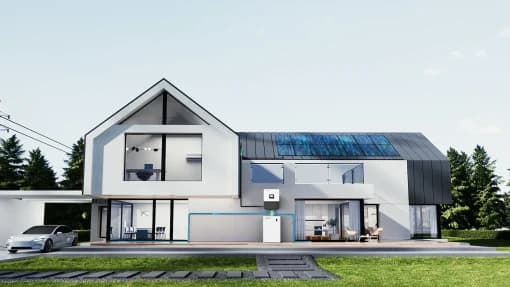
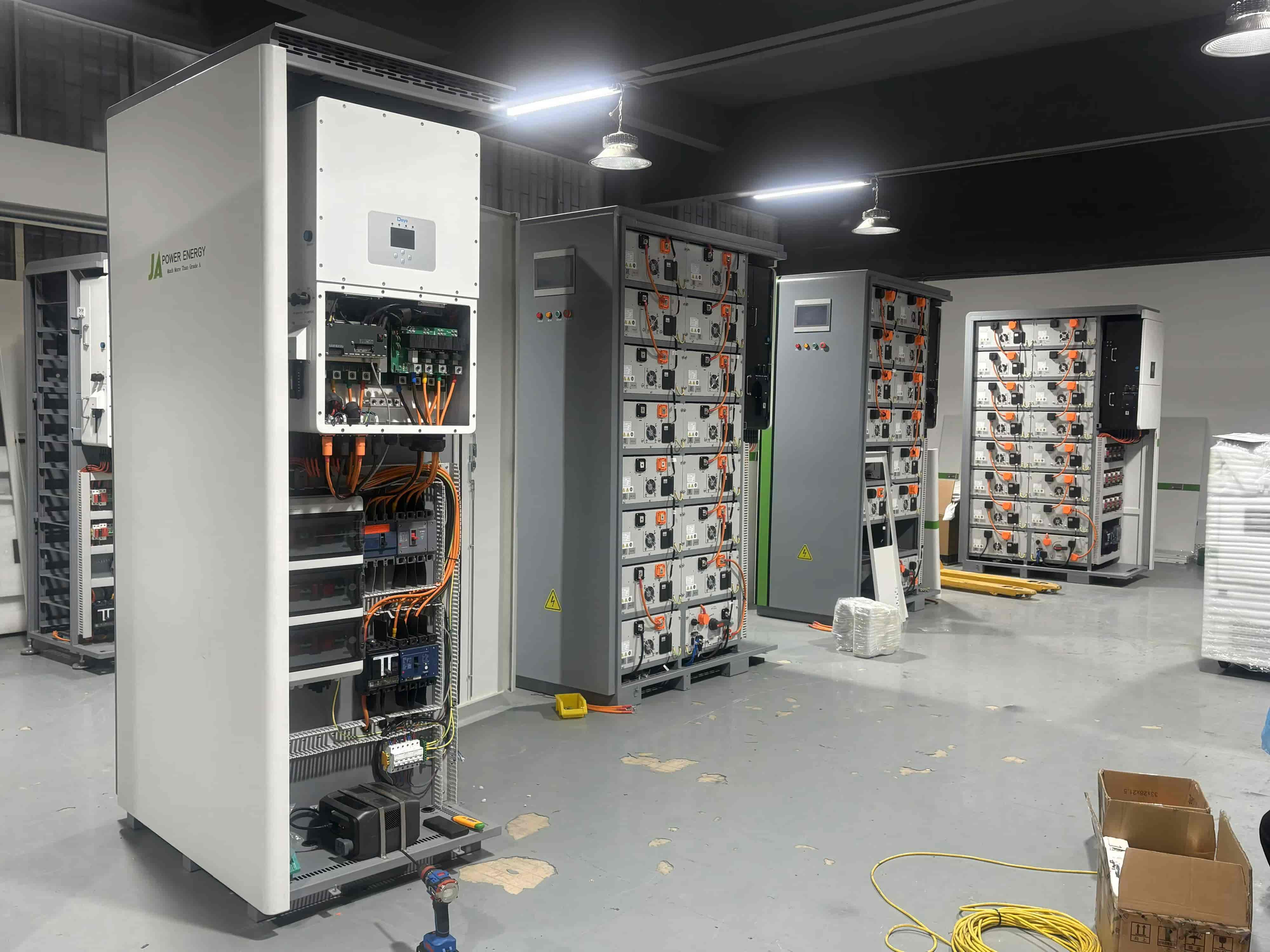
A complete solar backup system consists of several key components, including solar panels, hybrid inverters, battery storage units, and other electrical accessories. Each part plays an important role in generating, converting, storing, and managing solar energy to ensure a reliable power supply during grid outages.
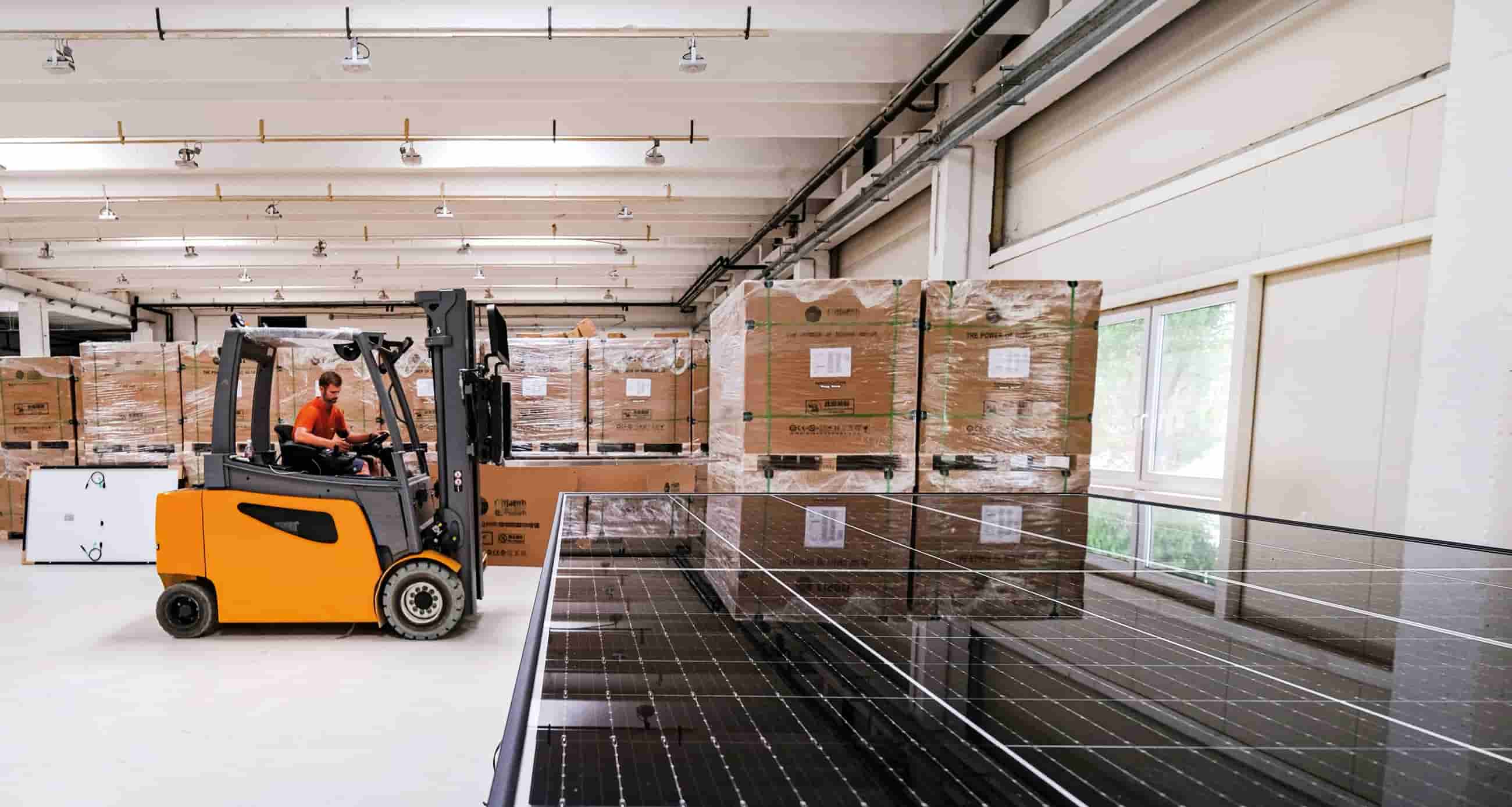
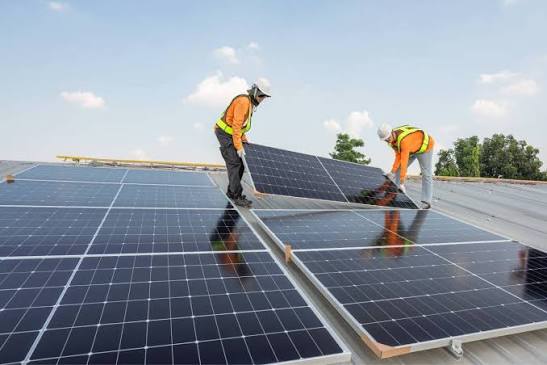
Solar panels are the primary energy source of a solar backup system. They capture sunlight and convert it into direct current (DC) electricity. During the day, the generated solar power can directly supply household or business loads, while excess energy can be stored for later use.
Since solar panels come in different qualities and performance levels, choosing reliable and durable panels is essential for long-term system efficiency.
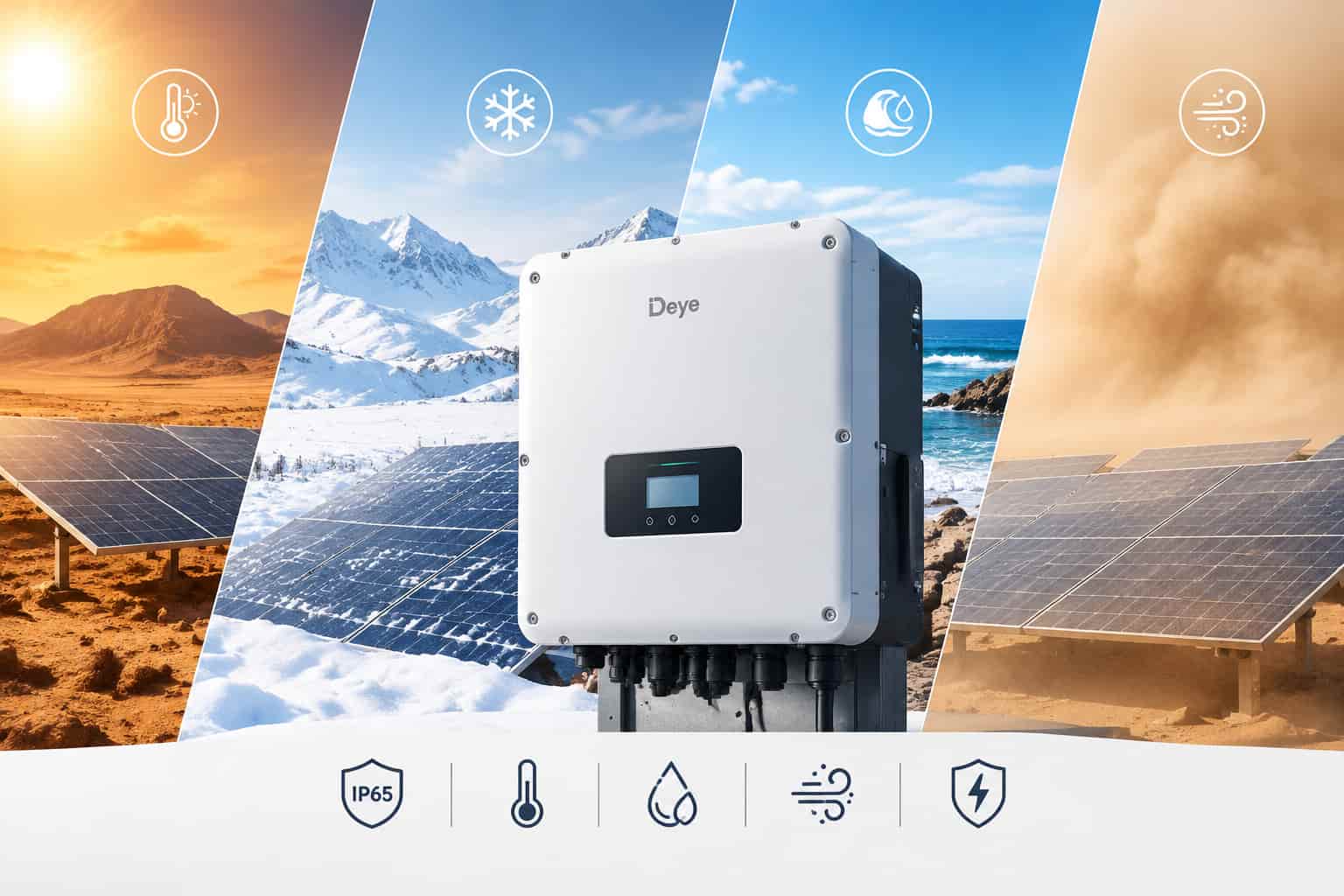
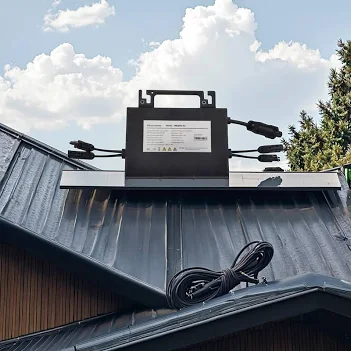
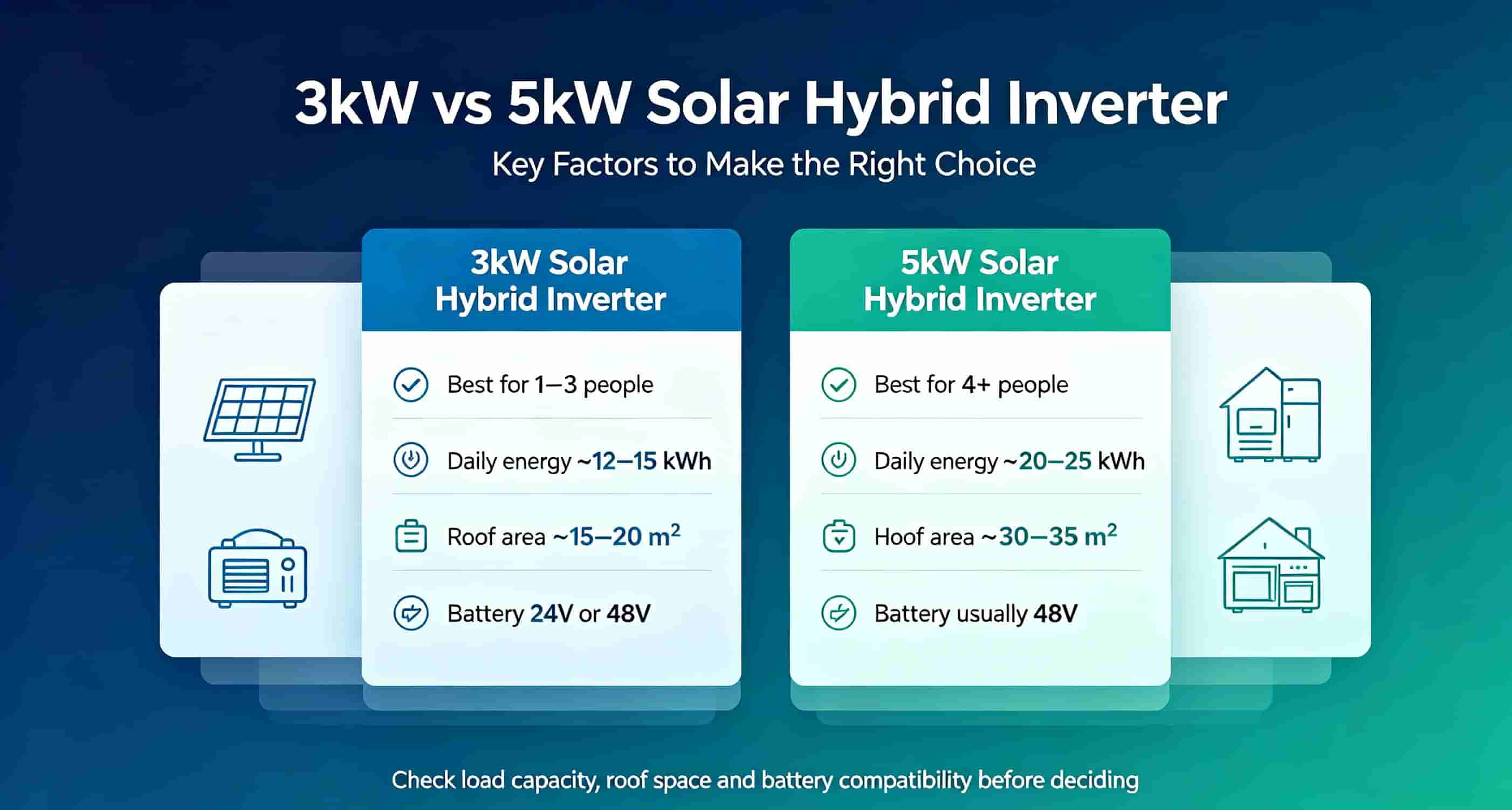
A hybrid inverter is the core component that connects solar panels, batteries, the utility grid, and electrical loads. Compared with traditional solar inverters, hybrid inverters provide greater flexibility by combining multiple energy management functions in a single device.
A hybrid inverter converts DC electricity from solar panels into AC power for daily use while controlling battery charging and discharging. When solar production exceeds energy demand, the extra electricity is stored in the battery. When solar power is unavailable, such as during nighttime or cloudy conditions, the inverter automatically uses stored battery energy.
During grid outages, a hybrid inverter can quickly switch to battery backup power, helping protect sensitive equipment such as computers, servers, and other critical devices. Many modern hybrid inverters also support smart monitoring, allowing users to track solar generation, battery status, energy consumption, and grid conditions in real time.
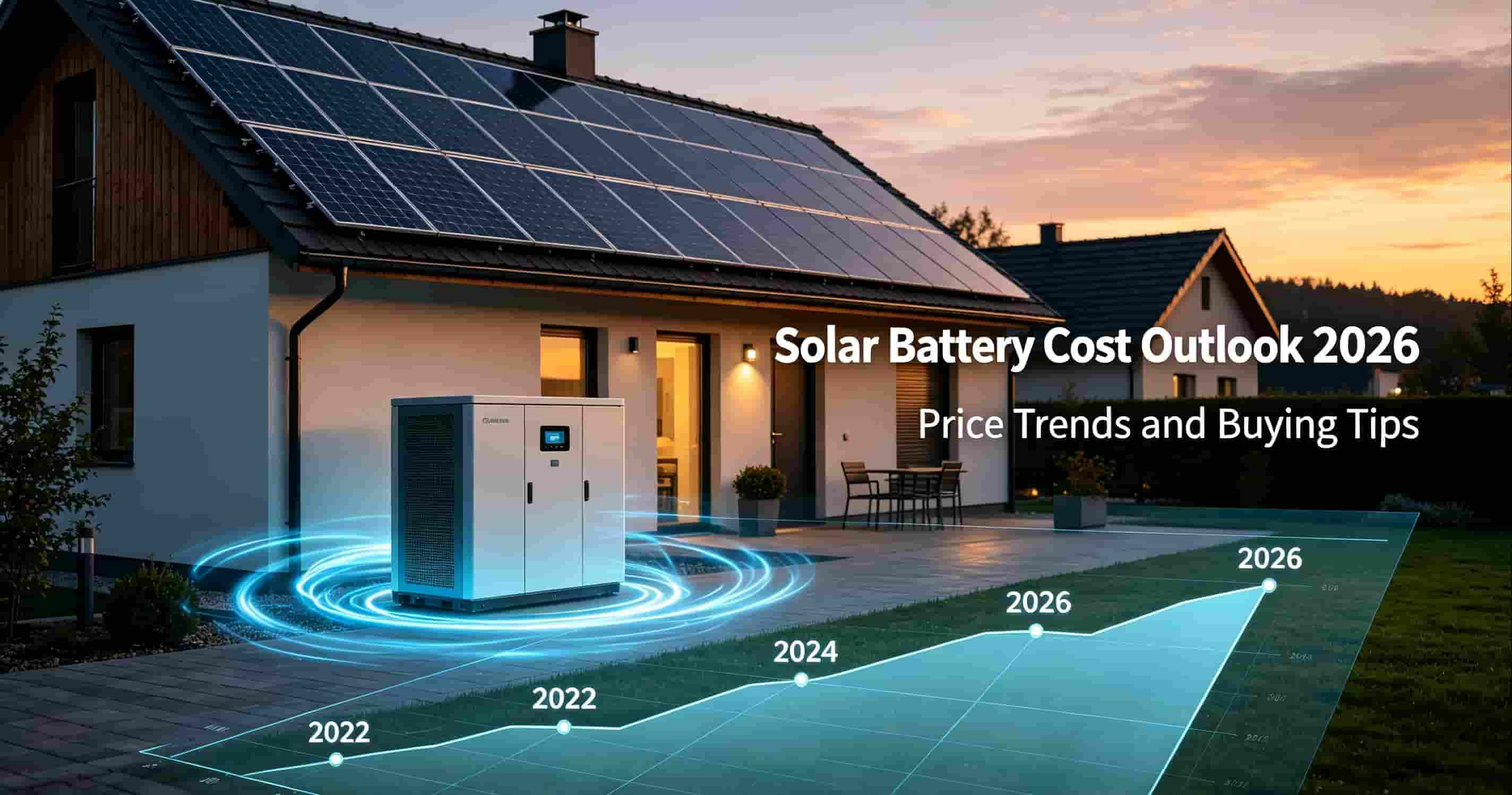
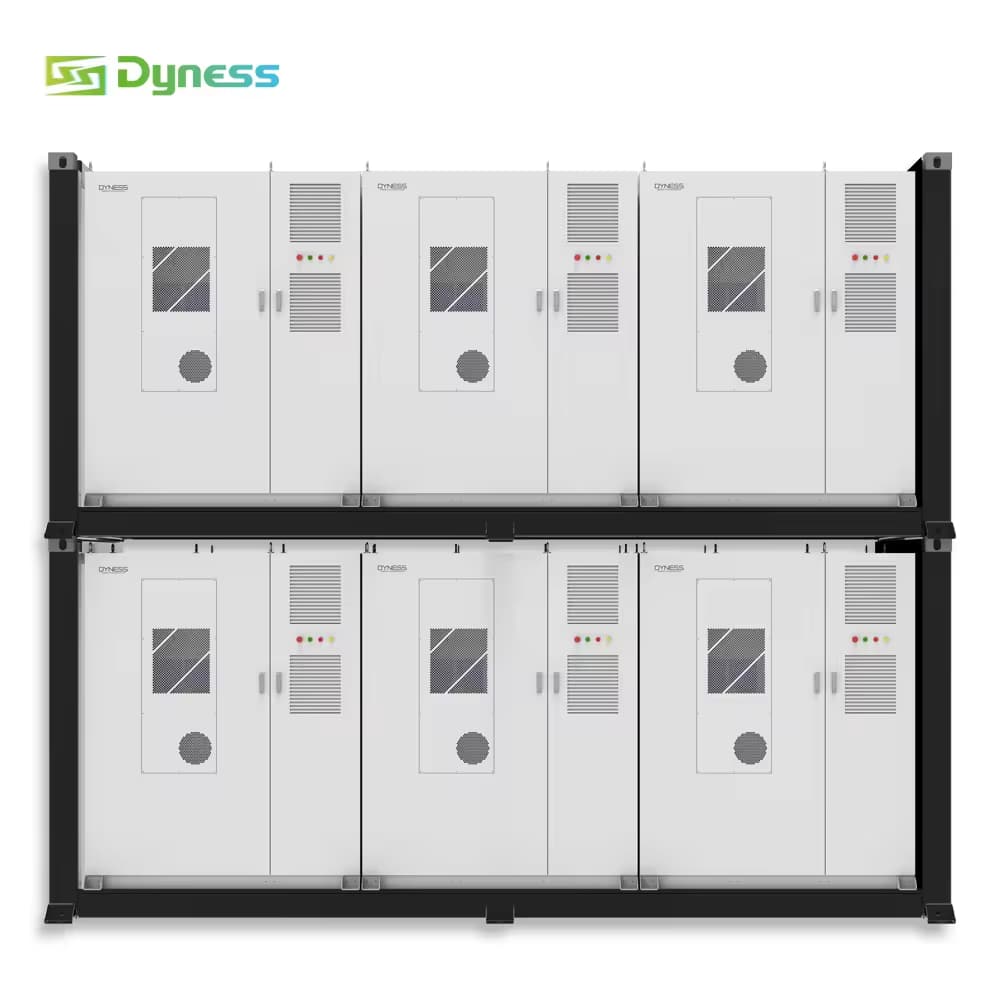
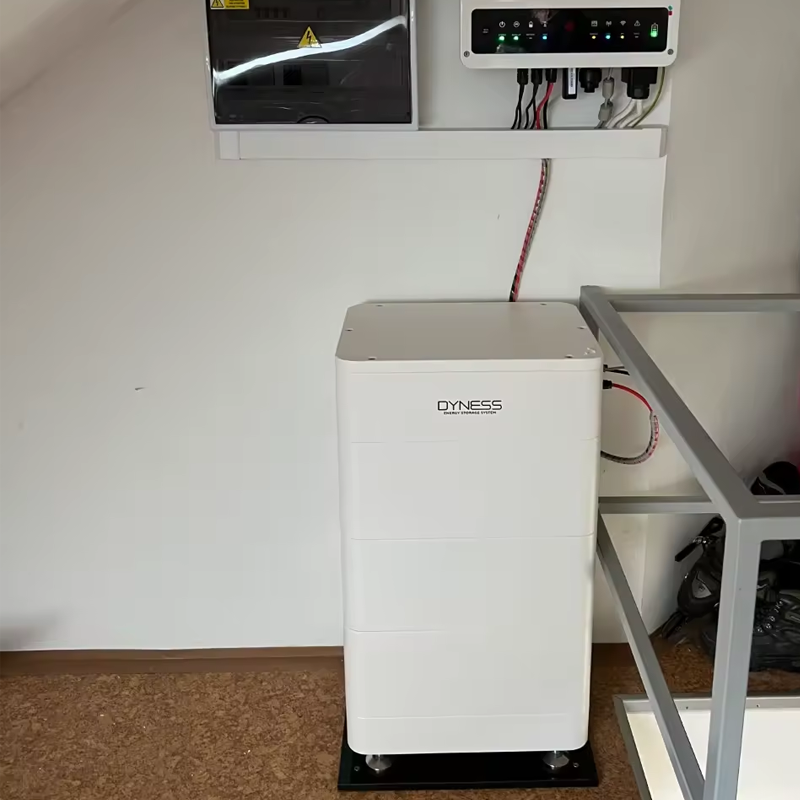
Battery storage allows a solar backup system to store excess solar energy for later use. When solar production is insufficient or the grid fails, the stored energy can be supplied to connected loads through the inverter.
Common battery options include lead-acid and lithium batteries. Lead-acid batteries have a lower initial cost but offer shorter lifespan and lower efficiency. Lithium batteries usually require a higher investment but provide better performance, longer service life, and higher energy efficiency.
In addition to the main components, a solar backup system requires various supporting accessories to ensure safe and stable operation. These include solar mounting structures, electrical cables, circuit breakers, safety protection devices, energy meters, and monitoring equipment.
Together, these components form a complete solar backup solution that provides reliable electricity, improves energy independence, and helps users maintain stable power during grid interruptions.
Ready to Install a Solar Backup System?
A solar backup system provides reliable electricity for homes and businesses, ensuring stable power even in areas with an unstable grid. With clean solar energy, reduced electricity costs, and dependable backup power, it is a smart solution for achieving greater energy independence.
Contact MINVIC today to discuss your solar project. As an experienced manufacturer and supplier of hybrid solar inverters, MINVIC also provides solar batteries and complete components for customized solar backup solutions. Our professional team is ready to help you choose the right system for your energy needs.

