
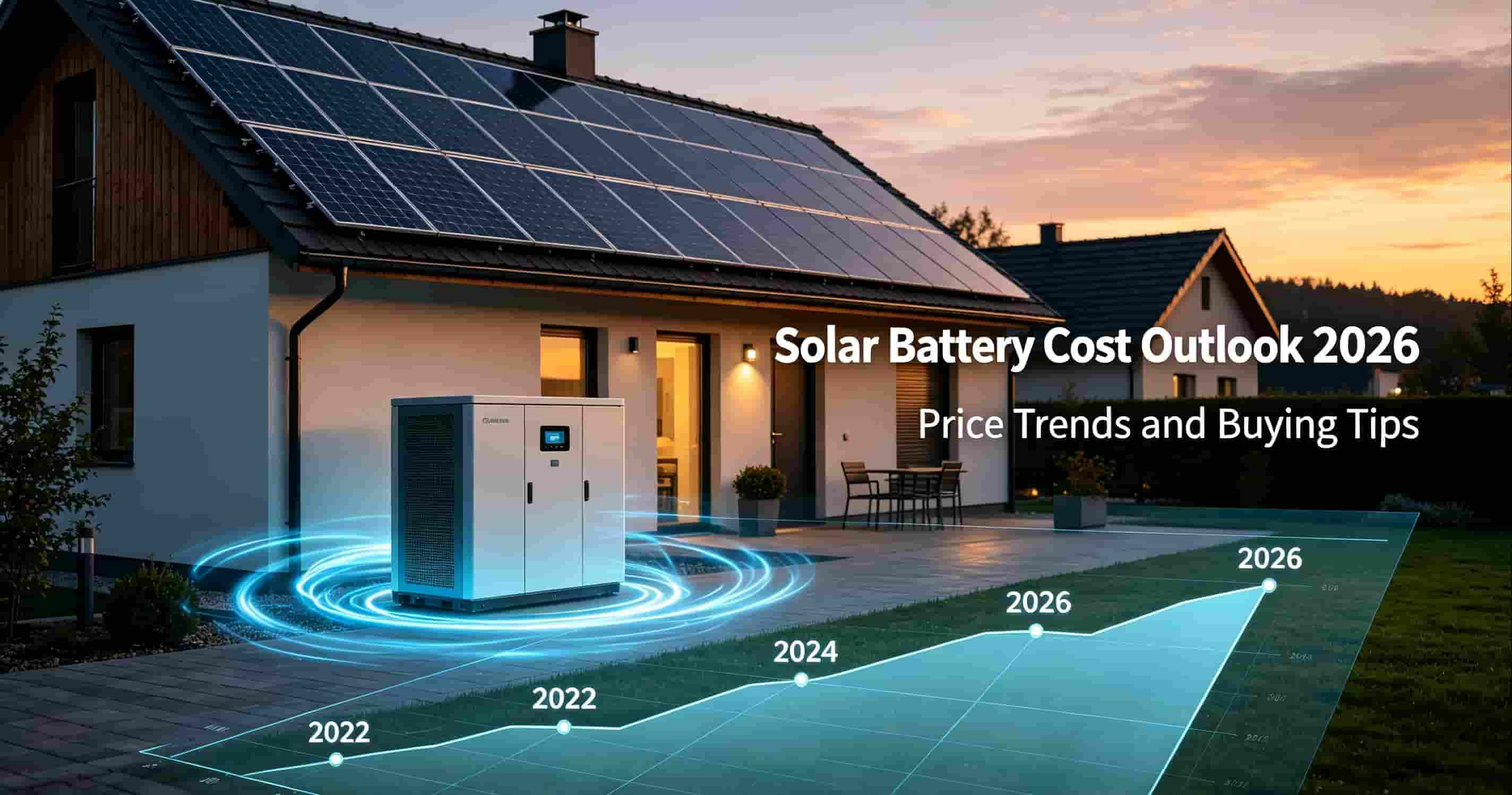
How Much Do Solar Batteries Cost in 2026? Price Trends and Buying Guide
Solar panels are getting easier to justify, and the battery that stores their power is the part homeowners keep asking about.
That's fair. A solar system only pays off if the electricity it generates actually gets used. Export too much to the grid at a low rate and you're leaving money on the table — a battery changes that math.
What you pay for storage has shifted a lot over the past couple of years. Battery cell prices fell, electricity rates climbed, and utilities kept changing how they credit solar exports. Each one moves the payback period.
Below we walk through the main factors behind solar battery prices, how the leading battery technologies compare, and where the market is headed in 2026. We also look at when a battery delivers the best return, how its placement affects overall system efficiency, and close with practical tips from MINVIC on choosing a cost-effective storage setup.
Why solar battery prices matter
Solar battery prices decide both whether storage makes sense and when to buy it.
The economics are the easiest part to see. A battery stores the extra energy your panels produce during the day, so you pull less from the grid and depend on it less. What you pay for the battery sets the payback period — lower prices make storage affordable sooner and the ROI arrive faster, which matters most for residential and small commercial setups.
The technology side has been moving in the right direction too. Lithium-ion cells have fallen in price over the past few years while getting more efficient, and there's no sign that progress has stopped. That's why watching where prices are heading matters: it tells you whether to install now or wait for the next price drop and a better battery.
What Factors Affect Solar Battery Prices?
The cost of a solar battery system depends on more than just the battery price. Factors such as capacity, technology, lifespan, brand, and system compatibility all influence the total investment cost and expected payback period.
Understanding these factors can help homeowners and businesses choose a battery solution with the best price-performance ratio.
Battery Capacity and Power (kWh)
Battery capacity, measured in kilowatt-hours (kWh), is one of the main factors affecting price. A larger capacity allows more solar energy to be stored and used later, reducing dependence on grid electricity.
However, higher capacity also increases the initial cost. The right battery size should balance energy demand, self-consumption, savings, and return on investment (ROI).
Battery Technology and Lifespan
Battery technology has a major impact on both price and performance. Lithium-ion batteries usually have a higher upfront cost but offer longer lifespan, better efficiency, and more charge cycles compared with lower-cost alternatives.
Although the initial investment is higher, advanced battery technologies often provide better long-term value.
Manufacturer and Product Quality
Battery brands and product quality can create significant price differences. Reliable manufacturers usually provide better performance, safety, warranty support, and durability, while lower-cost options may have shorter lifespans or reduced efficiency.
Compatibility and Expandability
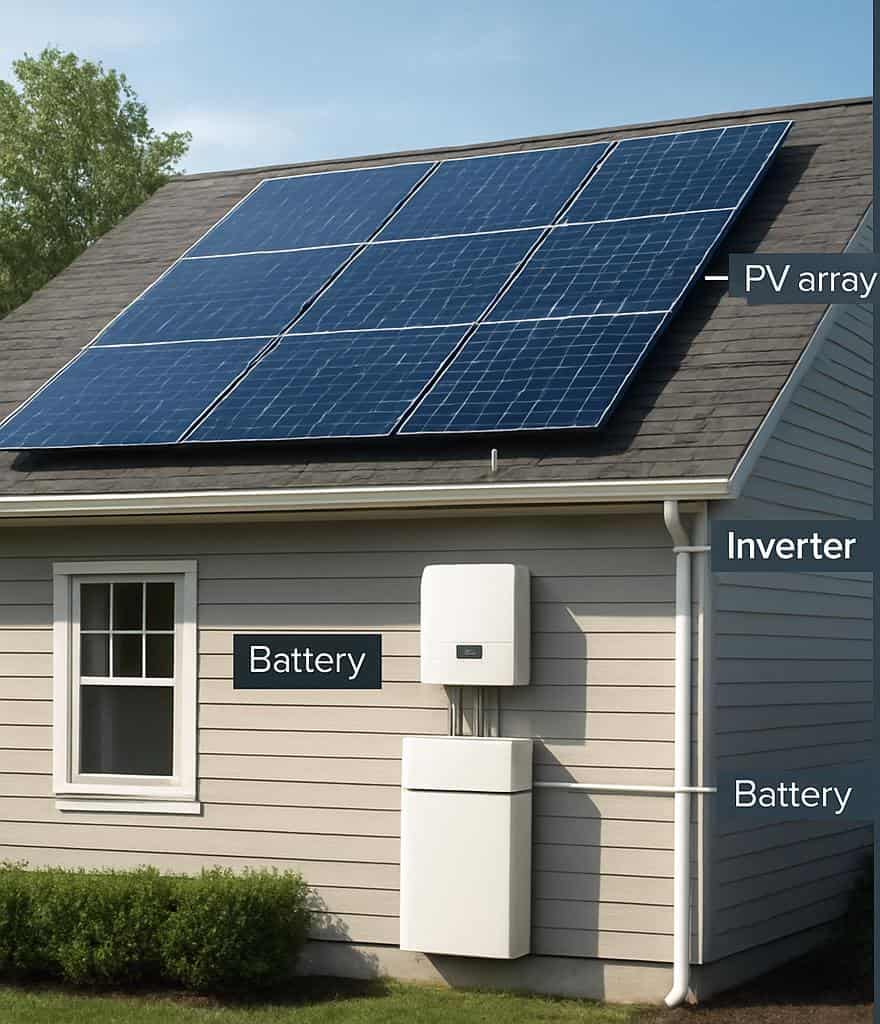
A solar battery must be compatible with your existing solar system, including components such as the inverter. Additional equipment requirements can affect the total installation cost.
Choosing an expandable energy storage system also allows future capacity upgrades as energy needs increase, improving long-term flexibility.
Comparison of Common Solar Battery Types
When choosing a solar battery, price is only one factor to consider. Battery technology, efficiency, lifespan, and long-term value are equally important. The two most common options for solar energy storage are lithium-ion batteries and traditional lead-acid batteries.
Lithium-Ion Solar Batteries
Lithium-ion batteries are currently the most popular choice for residential and commercial solar energy storage systems due to their high performance and reliability.
Key advantages:
- High energy density: Store more energy in a smaller and lighter design, making them ideal for homes with limited installation space.
- Longer lifespan: Support more charge and discharge cycles, reducing replacement frequency and long-term costs.
- Higher efficiency: Minimize energy losses during storage and usage, improving overall system performance.
Cost and value
Although lithium-ion solar batteries usually have a higher upfront cost, their longer lifespan, better efficiency, and lower maintenance requirements often provide a better return on investment (ROI) over time.
They are a suitable choice for homeowners and businesses looking for reliable energy storage, higher self-consumption, and long-term energy savings.
Lead-Acid and Other Solar Battery Alternatives
Lead-acid batteries are a more affordable energy storage option and are often chosen for systems with lower initial budgets.
Advantages:
- Lower upfront cost: A cheaper entry option for solar energy storage.
- Simple technology: Easier to maintain and operate compared with more advanced battery systems.
Disadvantages:
- Shorter lifespan: Fewer charge-discharge cycles result in more frequent replacements.
- Lower efficiency: More energy is lost during charging and discharging.
- Larger size and weight: Require more installation space compared with lithium-ion batteries of similar capacity.
Solar Battery Price Trends and Market Forecast for 2026
As solar energy storage adoption continues to grow, solar battery prices and market conditions are changing rapidly. Understanding future cost trends, battery technology improvements, and policy developments can help homeowners and businesses decide the best time to invest in energy storage.
How Much Does a Home Solar Battery Cost in 2026?
Solar battery prices have declined significantly in recent years due to advances in battery technology, improved manufacturing capacity, and growing market competition. Lithium-ion battery pack prices, which are widely used in solar storage systems, dropped significantly in 2025 compared with the previous year, helping reduce the overall cost of energy storage solutions.
In Europe, the falling cost of residential solar batteries is making home energy storage more accessible and accelerating the adoption of self-consumption systems.
When Does a Solar Battery Investment Pay Off?
The payback period of a solar battery depends on factors such as electricity prices, household energy consumption, battery cost, and self-consumption rate.
As battery prices continue to decrease, energy storage systems can achieve faster returns, especially for homes and businesses that use a large portion of their stored solar energy.
Government incentives can further improve investment returns. For example, upcoming subsidy programs in some European markets are expected to reduce the initial installation cost of residential battery systems.
How Does Solar Battery Location Affect ROI?
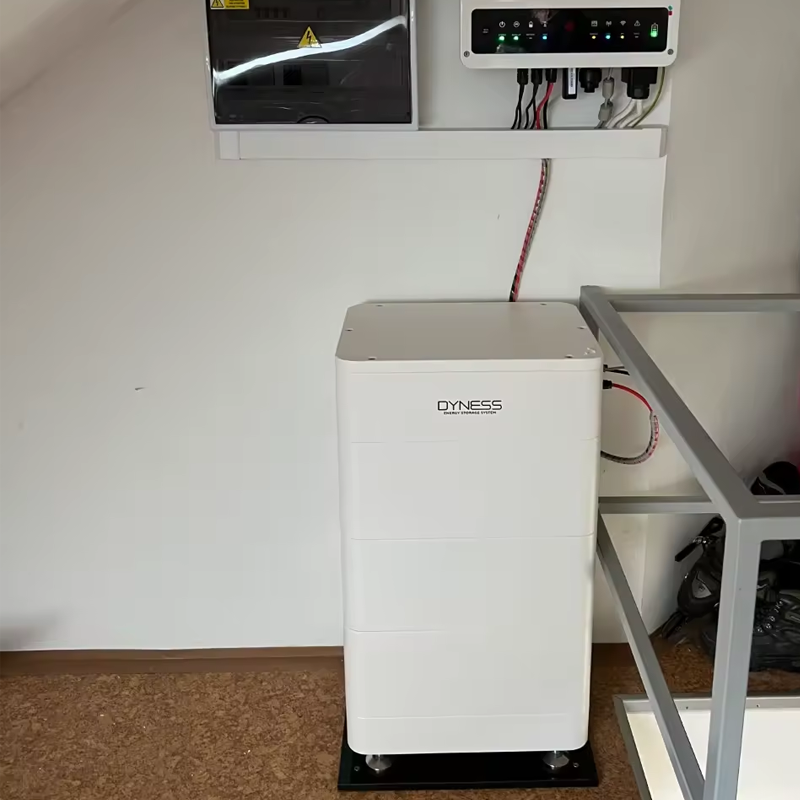
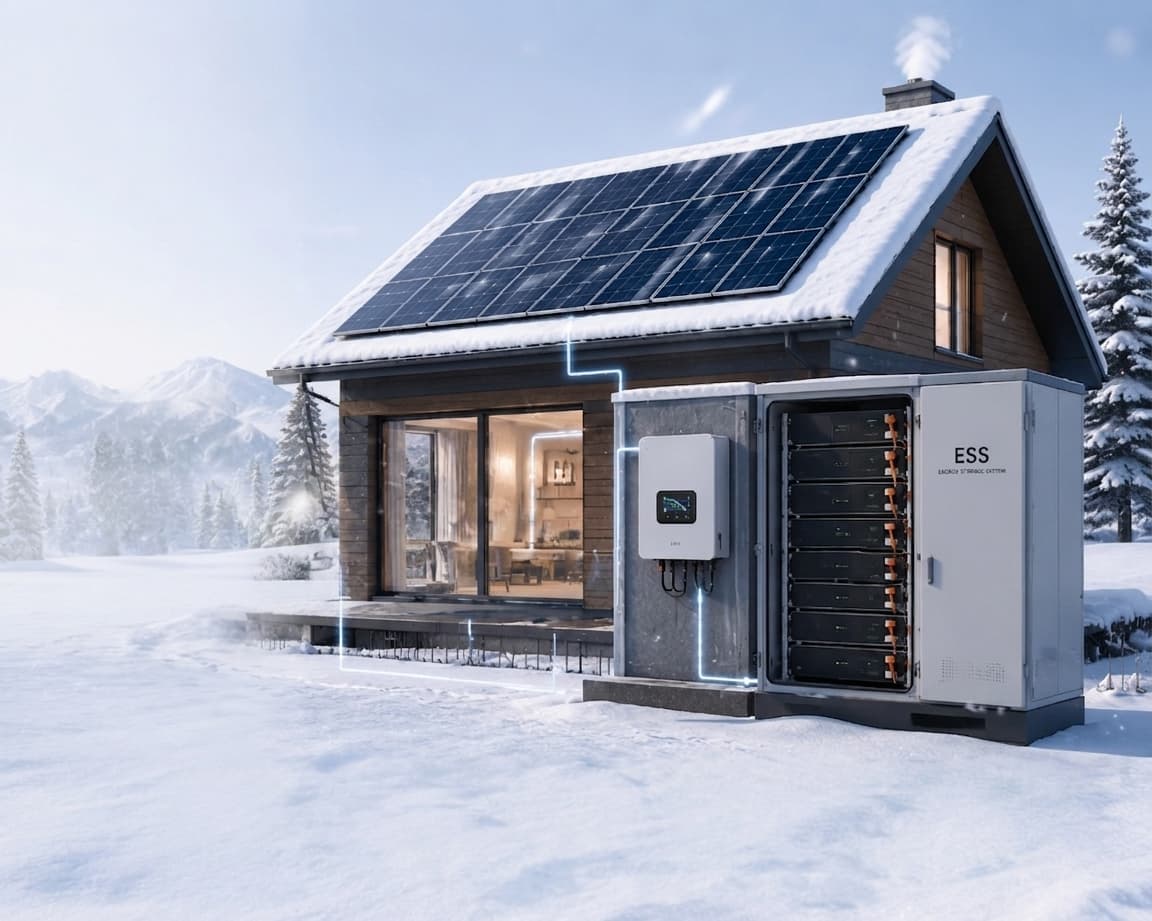
The installation location of a solar battery, whether indoors or outdoors, can influence installation costs, system efficiency, and long-term performance.
Choosing a modular and expandable battery system allows easier upgrades when energy demand increases, such as adding electric vehicle charging or expanding solar panel capacity.
MINVIC Tips for Choosing a Cost-Effective Solar Battery
Choosing the right solar battery is not only about finding the lowest price. A cost-effective energy storage system should match your energy needs, work efficiently with your solar setup, and provide long-term val ue.
Based on MINVIC’s experience, the following tips can help homeowners and businesses select the right solar battery while avoiding unnecessary costs.
1. Assess Your Energy Consumption Before Choosing Capacity
One of the most common mistakes is selecting a battery that is too large or too small. The ideal solar battery capacity should be based on your daily electricity usage, solar generation, and self-consumption goals.
Proper sizing helps reduce upfront costs while improving the return on investment (ROI).
2. Consider the Complete Solar System
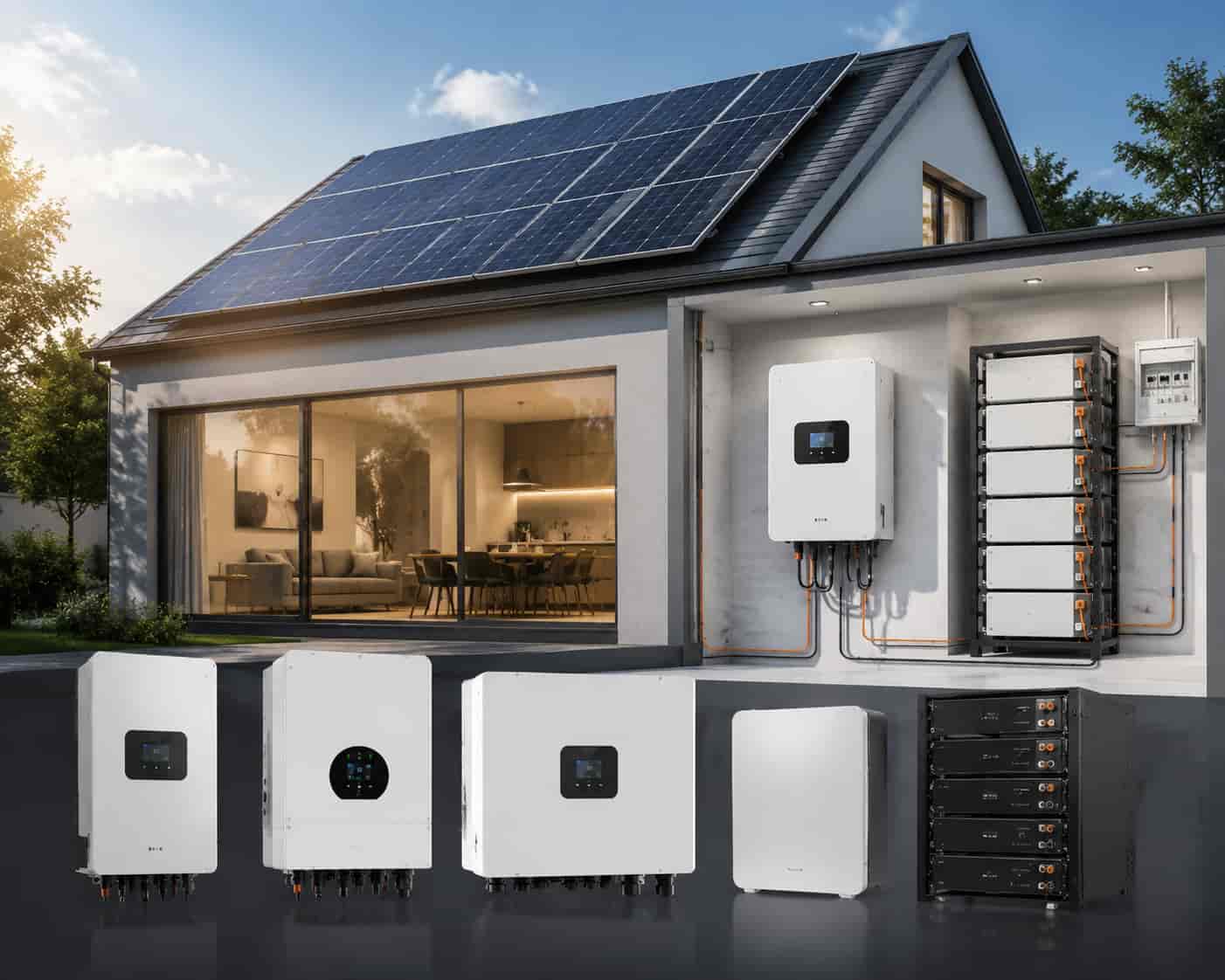
A solar battery should be compatible with your existing or planned solar panels and inverter. A well-matched system improves energy efficiency and prevents additional costs caused by incompatible components.
Looking at the entire solar energy system rather than individual products ensures better performance and reliability.
3. Choose an Expandable System and Suitable Installation Location
Modular battery systems allow future capacity expansion as energy needs grow, such as adding electric vehicle charging or more solar panels.
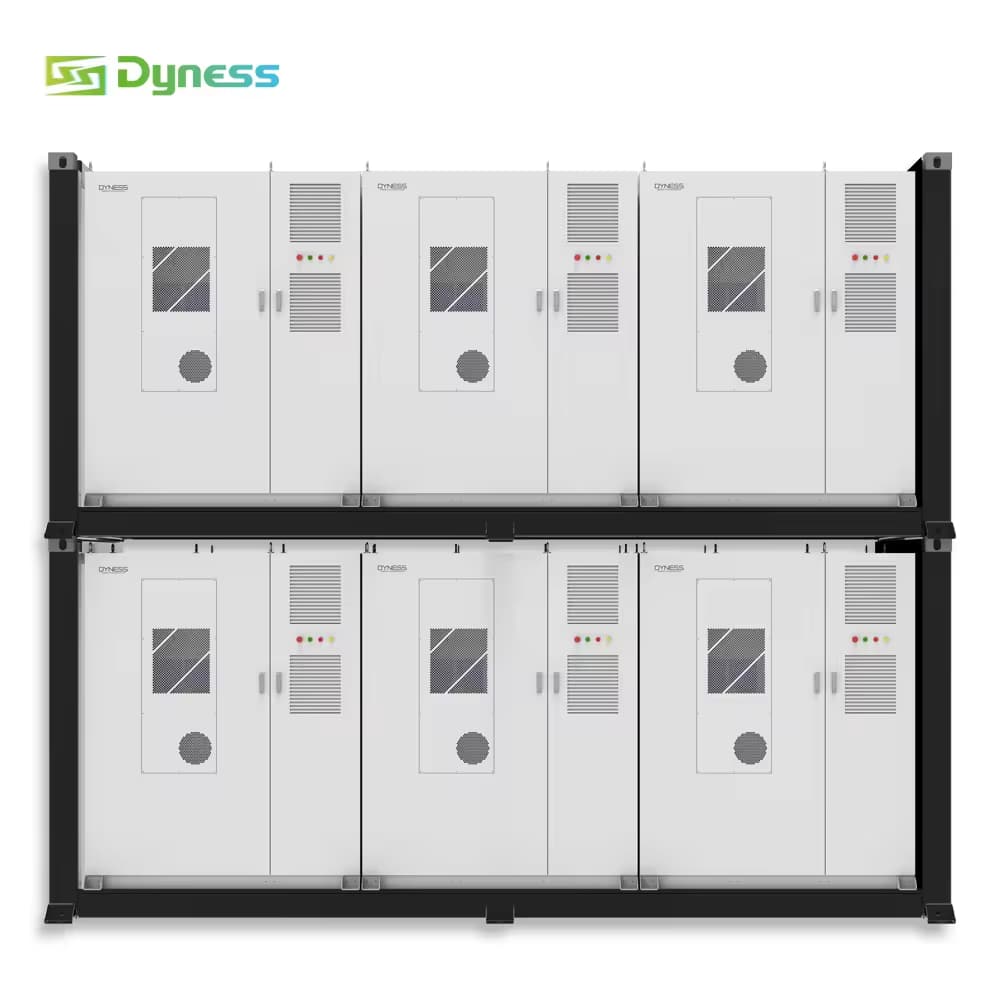
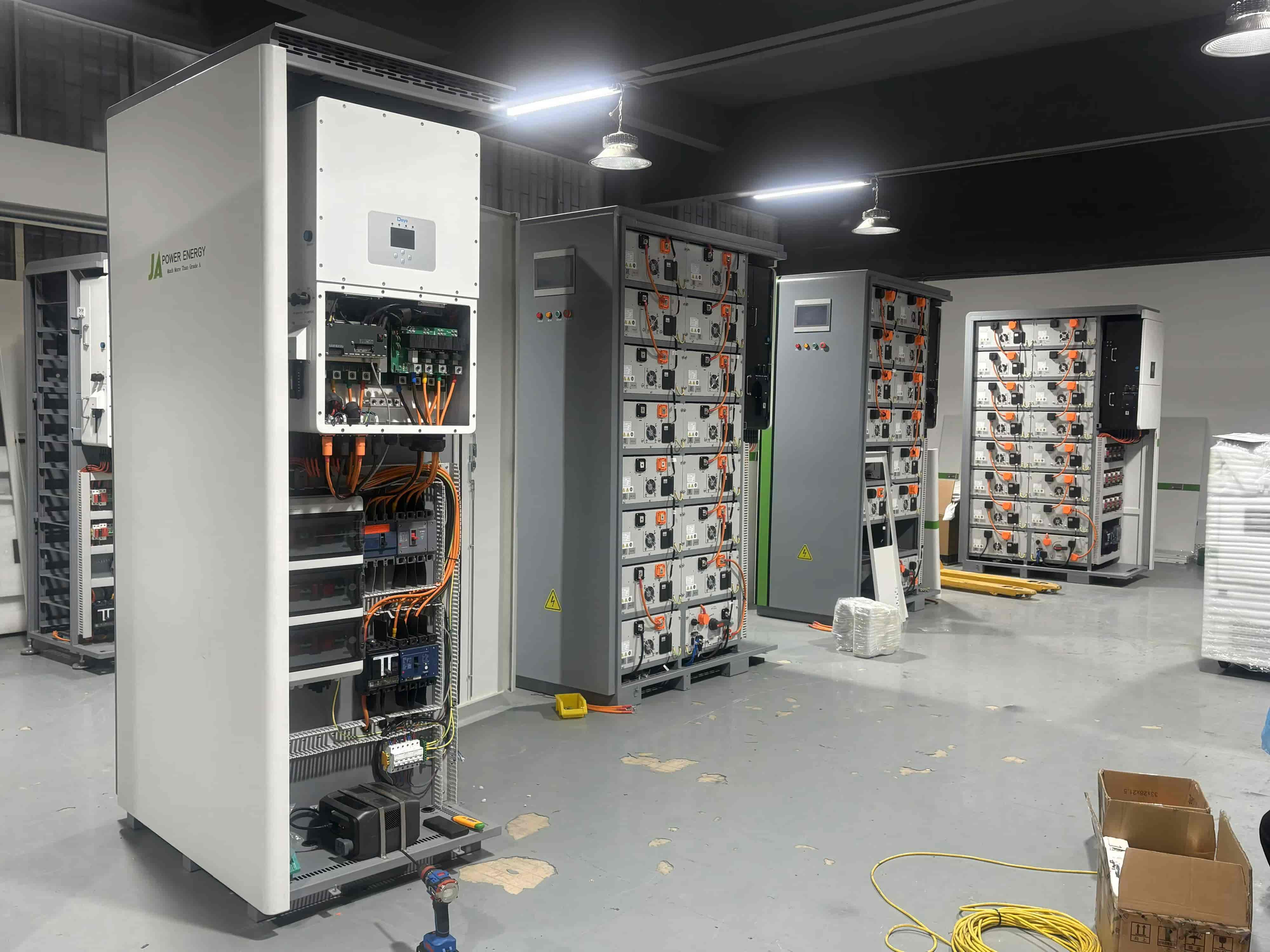
The installation environment also affects battery lifespan and efficiency. For projects with higher energy demand or limited space, compact cabinet-style energy storage solutions can provide a safer, cleaner, and more space-efficient option.
4. Focus on Long-Term Value, Not Only Price
A cheaper battery does not always mean better value. High-quality energy storage systems usually offer longer lifespan, higher efficiency, and better reliability, which can lead to faster payback and greater savings over time.

