

Outdoor Installation of Energy Storage Systems Guidelines
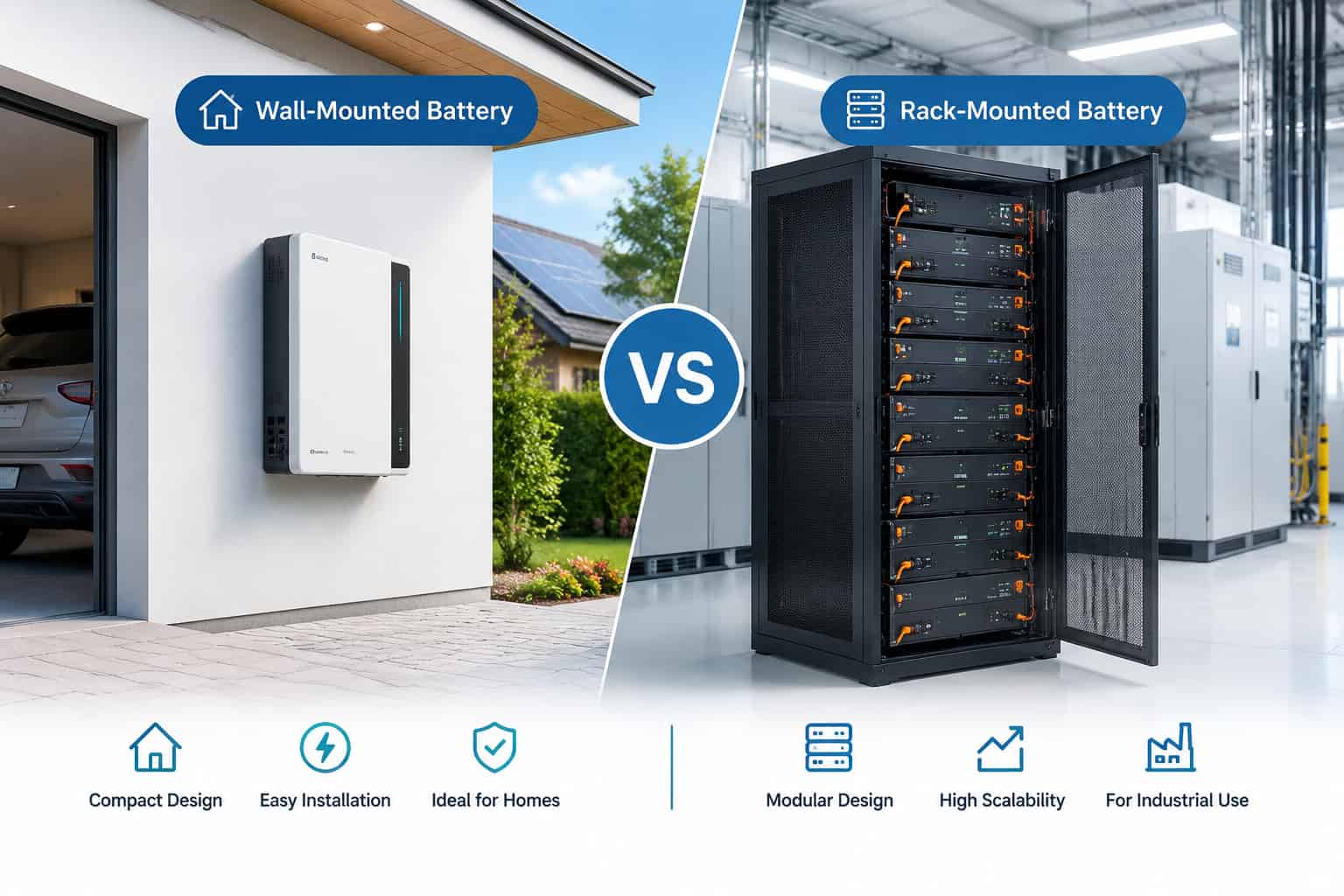
Finding a suitable location for a battery purchased to complement a solar power system is not always straightforward. In many homes, there may be no available wall space in the garage, utility room, or other indoor areas. This naturally raises an important question: Can an energy storage system be installed outdoors, and what environmental factors need to be considered?
In this article, we will explain what the IP rating of an energy storage system means and which level of IP protection is recommended for outdoor installation. We will discuss where and how a FoxESS battery can be safely installed outdoors, when additional mechanical protection may be required, and what spacing and ventilation requirements should be followed.
The information presented in this article is based on manufacturer datasheets and relevant standards, rather than general assumptions or recommendations.
Can an Energy Storage System Be Installed Outdoors?
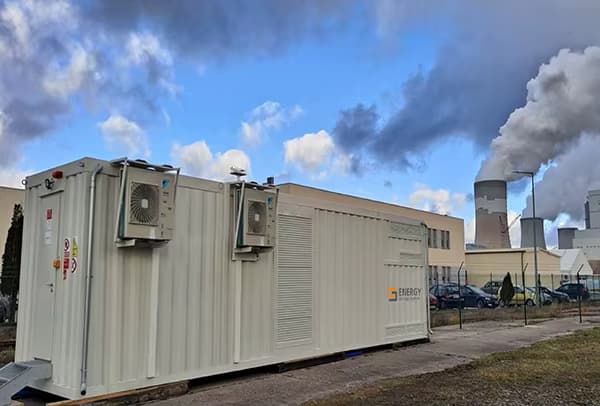
Yes, but not every energy storage system is designed for outdoor use. An energy storage system should only be installed outdoors when the manufacturer has specifically approved the model for outdoor installation, as indicated in its datasheet.
Many residential LiFePO₄ batteries meet these requirements. According to the manufacturer’s datasheet for the FoxESS EP12, the module features an IP65 protection rating, uses natural convection cooling, and supports both indoor and outdoor installation. Documentation from the international distributor also confirms that its durable, IP65-rated design is suitable for indoor and outdoor applications.
However, an IP rating alone does not mean the battery can be installed without restrictions. Prolonged exposure to direct sunlight is generally not recommended, as continuous heat exposure can reduce efficiency, accelerate battery aging, and shorten service life. Therefore, a shaded, well-ventilated location or suitable protective structure is recommended.
It is also important to check the warranty conditions before installation, as battery manufacturers generally require outdoor installations to comply with their approved installation requirements for the warranty to remain valid.
What Environmental Factors Can Affect an Outdoor Battery?
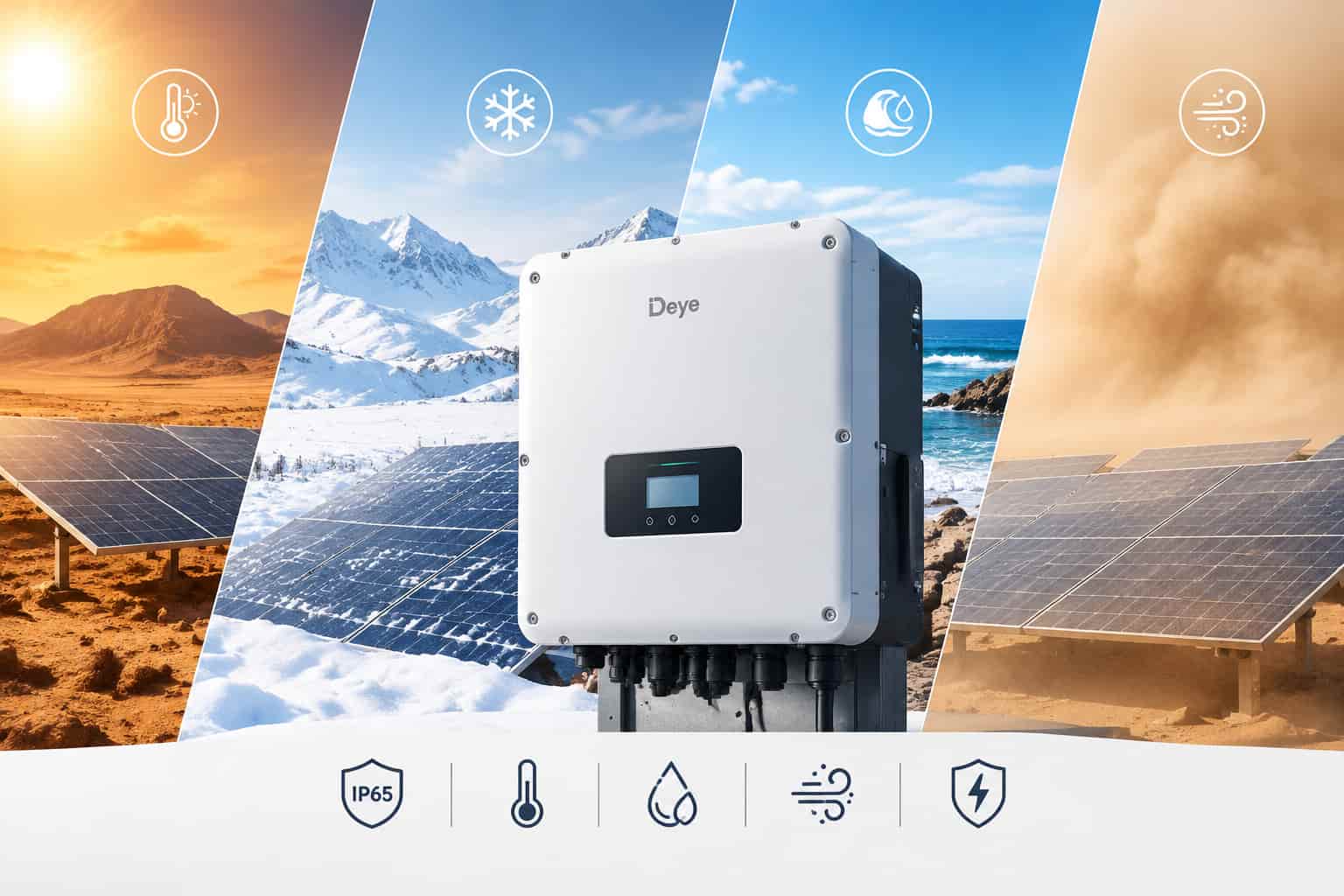
An outdoor battery is exposed to significantly different environmental conditions than a battery installed in a heated garage. Four key factors should be considered:
Heat and direct sunlight
Direct afternoon sunlight is one of the most critical factors, as it can raise the battery’s internal temperature significantly above the ambient temperature. Prolonged exposure to high temperatures accelerates battery aging and can reduce long-term performance.
Cold temperatures.
Cold weather can reduce available battery capacity and negatively affect charging performance. Depending on the conditions, the BMS may limit, slow, or completely stop the charging process.
Moisture and condensation.
Daily temperature fluctuations can cause condensation to form inside the battery enclosure. Moisture can create conductive paths between electrical components, potentially causing corrosion on circuit boards, connectors, and temperature sensor wiring.
Dust, salt, and air pollution.
In areas with humid or salty air, accumulated particles can accelerate oxidation of connectors and enclosure components. This can increase electrical contact resistance, generate localized heat, and eventually result in connection failures.
None of these factors alone necessarily prevents outdoor battery installation. However, their combined effects explain why reputable manufacturers generally recommend installing batteries in a shaded, well-ventilated location protected from precipitation. The risk of mechanical damage is addressed separately in the following section.
What Does the IP Rating of Energy Storage Devices Mean?
IP stands for Ingress Protection, a classification system defined by the international standard IEC 60529. The protection level is determined through standardized testing procedures to evaluate how effectively an enclosure prevents the entry of solid objects and water.
The IP code consists of two numbers. The first digit indicates the level of protection against solid particles, including dust, while the second digit represents protection against water ingress. In both cases, a higher number indicates a greater level of protection.
However, it is important to understand the limitations of an IP rating. IP protection only covers resistance against solid objects and moisture. It does not indicate protection against factors such as UV exposure, chemical corrosion, or explosion risks. Therefore, even an energy storage system with a high IP rating still requires proper installation conditions, including protection from excessive sunlight.
What IP Protection Rating Is Recommended for Outdoor Installation?
For outdoor energy storage systems, IP65 is considered the minimum recommended protection level. An IP65-rated enclosure provides complete protection against dust ingress and protection against low-pressure water jets from any direction. Under normal outdoor conditions, this level of protection is generally sufficient to withstand rain, splashing water, and dust exposure.
For locations with greater exposure to water, IP66 offers enhanced protection, as it can withstand more powerful water jets compared with IP65.
For residential energy storage applications, IP65 is widely used as the standard protection level. For example, the FoxESS EP12 Plus datasheet specifies an IP65-rated enclosure, natural convection cooling, and support for both wall-mounted and floor-standing installation in indoor or outdoor environments.
This level of protection is sufficient as long as the battery is not exposed to continuous water flow, installed in flood-prone areas, or placed in locations where snow or water can accumulate around the unit.
Before installation, the complete energy storage system should be checked—not only the main battery unit but also all connected components. For example, the junction box used for connecting multiple battery modules should also meet the IP65 protection standard, and all cable entries must provide the same level of protection.
Frequently Asked Questions
Can Any Energy Storage System Be Installed Outdoors?
No. Only energy storage systems whose datasheets specifically approve outdoor installation should be installed outside. For example, the FoxESS EP12 datasheet allows both indoor and outdoor installation.
Installation decisions should always be based on the manufacturer’s technical documentation, as incorrect installation conditions may affect warranty validity. For outdoor locations without heating protection, a heated battery model should always be considered.
What IP Rating Is Required for Outdoor Installation?
For outdoor applications, IP65 is considered the minimum recommended protection level. It provides complete protection against dust ingress and protection against low-pressure water jets from any direction.
For locations with greater exposure to water, IP66 offers additional protection, as it can withstand stronger water jets compared with IP65.
Can the Battery Charge Below Freezing Temperatures?
The answer depends on the battery model. Standard models generally cannot charge below 0°C, as manufacturers restrict low-temperature charging and the BMS will automatically disable the charging function when necessary.
Heated battery versions can operate in much colder environments. For example, the FoxESS EP12 Plus supports charging and discharging between -25°C and 55°C, as its integrated heating system warms the battery cells to a safe temperature before charging begins.
Should the Battery Be Installed in a Sunny or Shaded Location?
A shaded location is recommended. Long-term exposure to direct sunlight can reduce efficiency, accelerate battery aging, and negatively affect overall performance. At temperatures around 40°C, the controller may reduce charging and discharging power to protect the system.
Suitable installation locations include areas under an eave, a protective canopy, or a north-facing wall where direct sunlight exposure can be minimized.
How Far Should the Battery Be Installed from Doors and Windows?
According to international fire safety practices, energy storage systems should maintain a minimum distance of 0.9 meters from doors and windows, with the same clearance required between multiple battery modules.
The battery system should not be installed in living areas, bedrooms, or along emergency escape routes to ensure safe operation and accessibility.

