


How to Charge a Home-Based Solar-Powered Electric Vehicle?
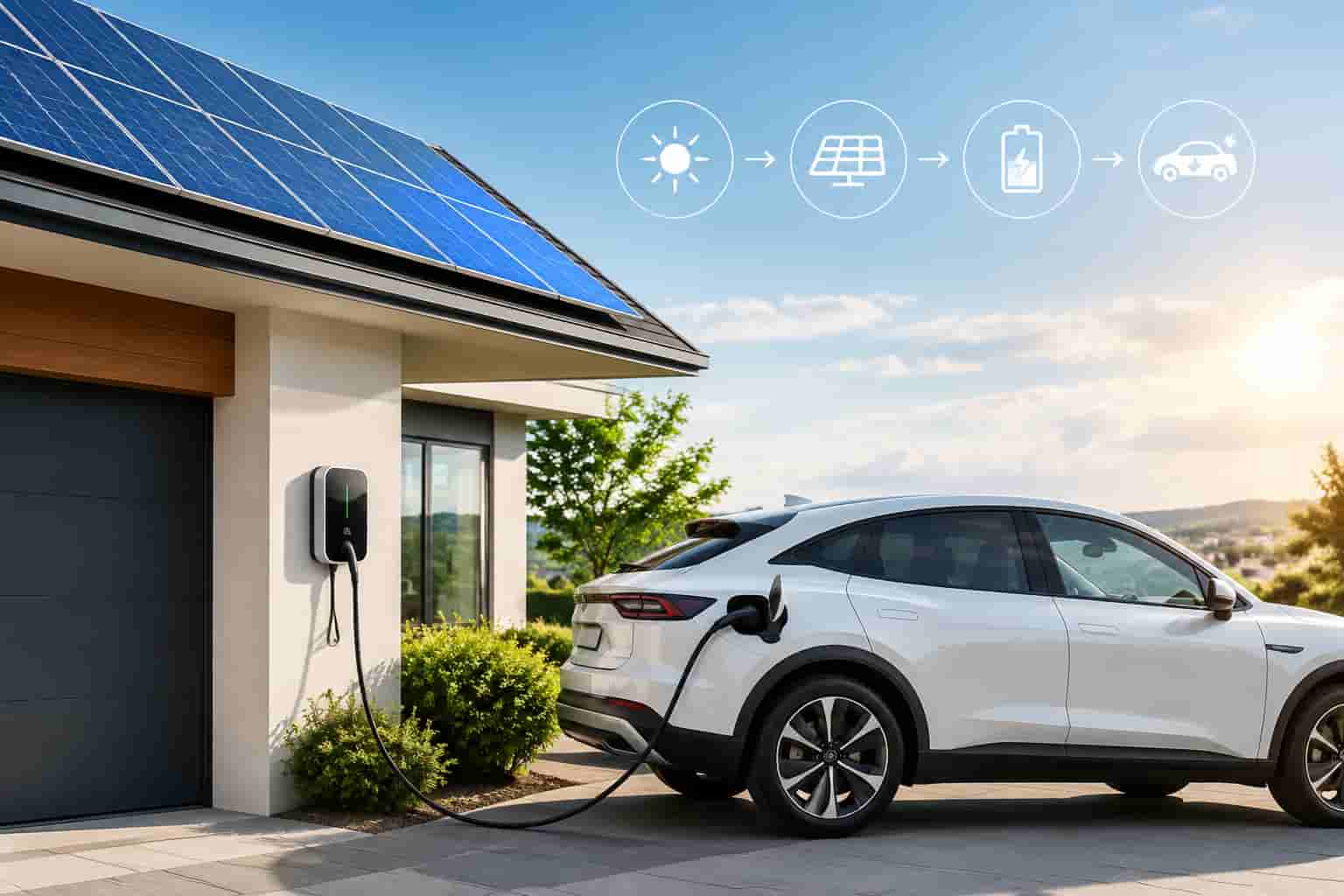
Electric vehicles (EVs) offer a convenient, cost-effective, and environmentally friendly alternative to traditional gasoline-powered cars. However, the charging process can sometimes become challenging without the right energy setup. Integrating a solar PV system with an EV charging station provides a practical solution, allowing homeowners to generate clean electricity and reduce dependence on the grid.
According to UK solar energy data, a typical residential solar PV system can generate approximately 3–5 kWh of electricity per day, depending on factors such as system size, location, weather conditions, and sunlight availability. For many EV owners, this amount of solar power can contribute significantly to daily charging needs. For example, charging an electric vehicle with a 40 kWh battery using a standard home EV charger may require around 10 hours, depending on the charging power and available solar generation.
By combining solar panels with EV charging, homeowners can use renewable energy produced during the day to power their vehicles. During periods with limited sunlight, such as nighttime or winter months, the system can be supported by battery storage solutions or the traditional electricity grid to ensure a reliable charging supply.
A solar-powered EV charging system does not always require a large-scale installation. Even a small residential solar setup can effectively support daily commuting needs, especially for drivers with shorter travel distances. With the right system design, solar energy can help lower electricity costs, improve energy independence, and reduce overall carbon emissions.
Solar power and electric vehicles are a natural combination for sustainable transportation. By adopting solar EV charging technology, homeowners can enjoy cleaner driving, long-term energy savings, and a more efficient way to use renewable energy in everyday life.
How to Install an EV Charging System with Solar Power at Home
Installing an EV charging system powered by solar energy may be easier than many homeowners expect. If you already have a solar PV system installed, adding an electric vehicle charger can be a practical way to use renewable energy for daily transportation.
However, proper planning and installation are essential. A well-designed solar EV charging system not only ensures reliable charging performance but also improves the safety, efficiency, and long-term durability of the entire energy system.
Understand Your Energy Requirements
Before installing a solar-powered EV charger, the first step is to evaluate your energy needs. Consider how frequently you drive your electric vehicle, your average daily driving distance, and how much charging capacity your vehicle requires.
Understanding your EV’s battery size and daily energy consumption will help determine the appropriate charging solution and whether your existing solar PV system can meet your requirements.
Electric vehicle chargers are generally divided into three charging levels based on charging speed and power output:
- Level 1 EV Charger: Uses a standard household electrical outlet and provides the slowest charging speed. It is suitable for drivers with low daily mileage or vehicles that can charge overnight.
- Level 2 EV Charger: The most common option for residential applications. It provides significantly faster charging than Level 1 chargers and typically requires dedicated wiring and a 240-volt power supply.
- Level 3 EV Charger (DC Fast Charger): The fastest charging option, mainly used in commercial locations, public charging stations, and highway charging networks due to its higher power requirements.
For most homes, a Level 2 EV charging station is usually the preferred choice because it offers a good balance between charging speed, installation cost, and energy efficiency. Before installation, homeowners should review their current electricity consumption and solar generation capacity to ensure the system is properly sized.
Choose the Right EV Charger for Your Solar System
Selecting the right EV charger is another important step in building an efficient home solar EV charging solution. Different EV chargers are designed for different vehicle models, charging requirements, and energy management systems.
Modern smart EV chargers often include advanced features such as:
- Wi-Fi connectivity and mobile app control
- Real-time charging monitoring
- Scheduled charging during peak solar production hours
- Integration with solar panels and battery storage systems
Basic plug-in chargers may be suitable for simple charging needs, while smart chargers provide greater control and energy optimization.
When choosing an EV charger, make sure it is compatible with your electric vehicle and meets required safety certifications. You should also consider whether you need a portable EV charger or a wall-mounted charging station based on your home layout and charging habits.
A Level 2 home EV charger is currently one of the most popular solutions for residential solar charging systems. Depending on the charger power output and vehicle model, it can typically add approximately 25–40 kilometers of driving range per hour of charging. Most Level 2 chargers require a 240-volt electrical connection, making them suitable for integration with residential solar energy systems.
For homeowners looking to maximize renewable energy usage, solar-compatible EV chargers can work together with solar panels and battery storage to increase energy independence, reduce grid electricity consumption, and lower long-term charging costs.
Design Your Solar EV Charging System
Designing the right solar EV charging system is one of the most important steps in creating an efficient home charging solution. The size of your solar system depends mainly on your electricity consumption, EV charging requirements, available roof space, and current solar PV system capacity.
If your home already has solar panels installed, you may need to evaluate whether your existing system can support additional energy demand from your electric vehicle. Depending on your situation, several upgrades may be required:
- Adding additional solar panels:If your current solar PV system does not generate enough electricity to cover both household usage and EV charging, expanding the solar array may be necessary.
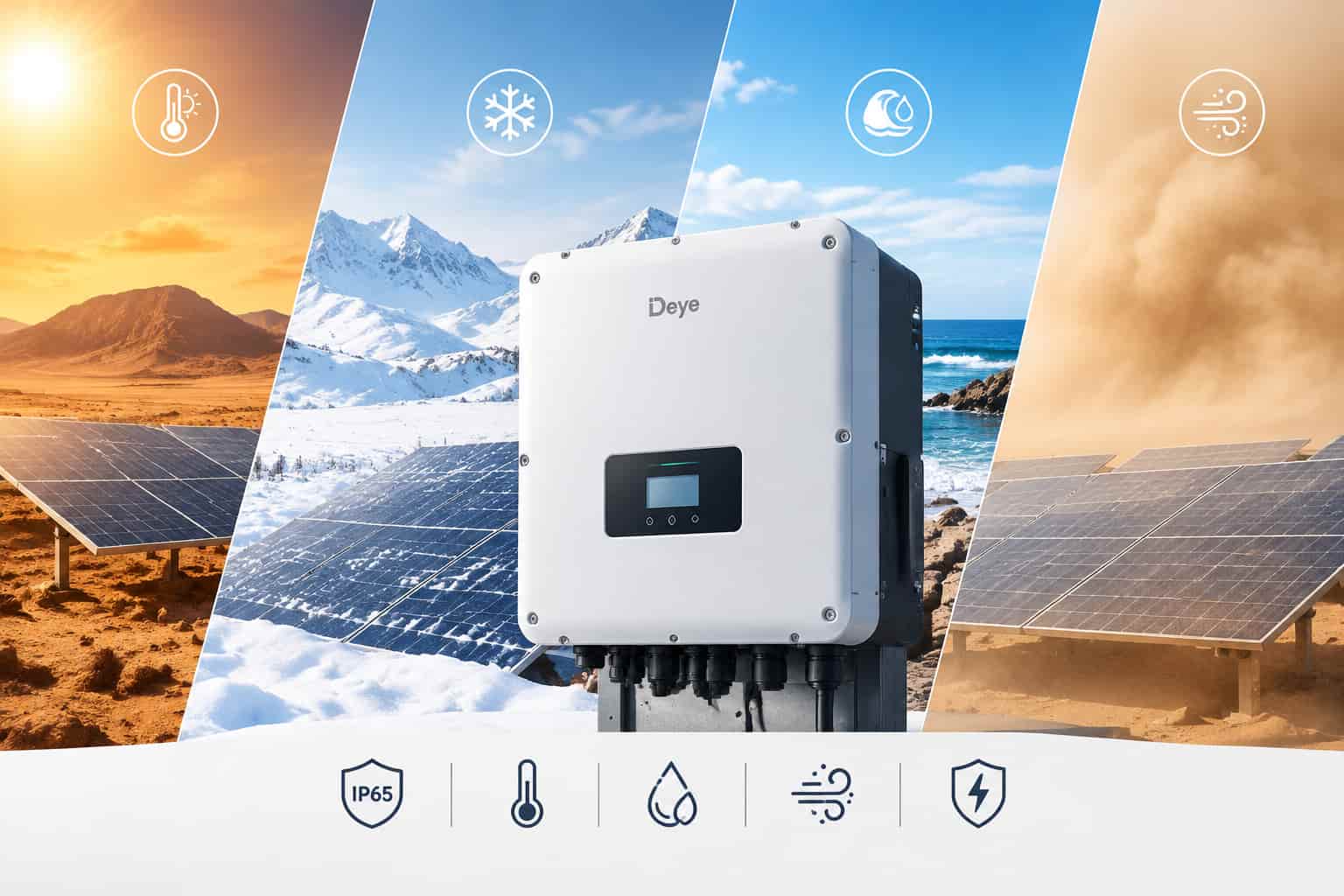
- Checking inverter capacity:Your inverter must be able to handle the additional power generated by the expanded solar system. If your existing inverter has enough capacity, no replacement may be required. However, if it is already operating near its maximum limit, upgrading to a higher-capacity inverter may be necessary.
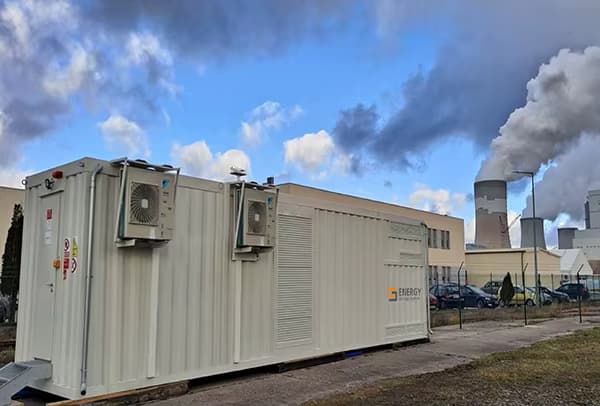
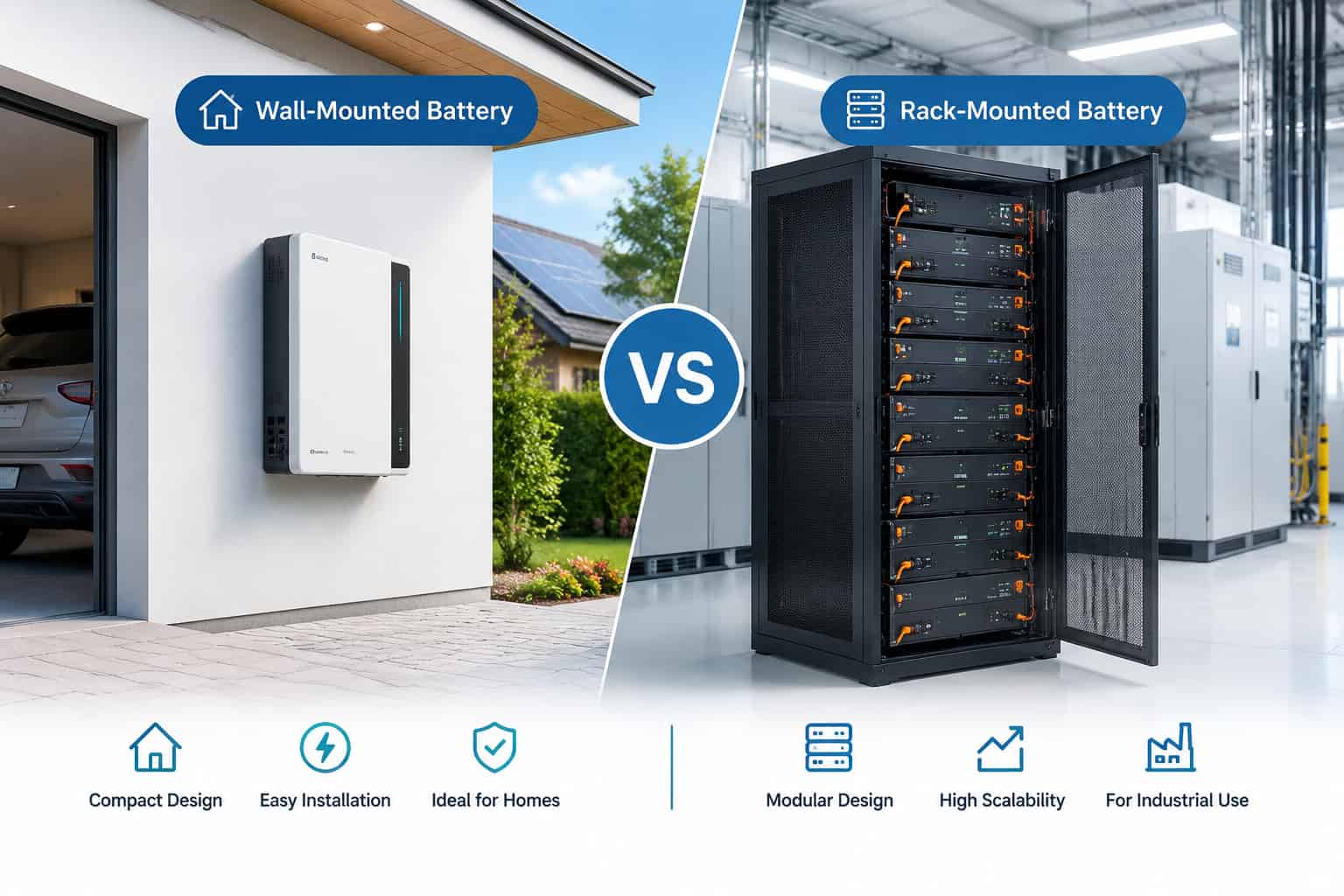
- Installing battery storage:Battery storage can significantly improve the flexibility of a solar EV charging system. Since many EV owners prefer to charge their vehicles at night when solar production is unavailable, a solar battery can store excess daytime energy and provide electricity after sunset.
- Choosing the right charger location:The installation location of your EV charger should be carefully planned. It should be convenient for daily use while also considering electrical safety, cable distance, and protection from weather conditions.
When designing your solar charging system, you should consider several important factors, including the number of solar panels required, available roof space, installation costs, and your vehicle’s charging demand.
The number of panels needed varies depending on the EV model, driving habits, and local solar conditions. For example, a small electric vehicle with limited daily mileage may only require a few additional solar panels to meet regular charging needs, while larger EVs or households with multiple electric vehicles may require a larger solar installation.
Install a Solar EV Charger
Once your solar EV charging system design is complete, the next step is installation. For safety and compliance, it is generally recommended to work with a licensed electrician or qualified solar installer, especially when connecting the EV charger to your home electrical system.
A typical installation process includes:
- Selecting a suitable installation location for the EV charger.
- Connecting the charger with the solar PV system or home energy system.
- Testing the charger, inverter, and other system components.
- Monitoring charging performance to ensure the system operates correctly.
After installation, it is useful to monitor the system for several days. This allows you to understand how long it takes to charge your EV, how much solar energy is being generated, and how much electricity your vehicle consumes.
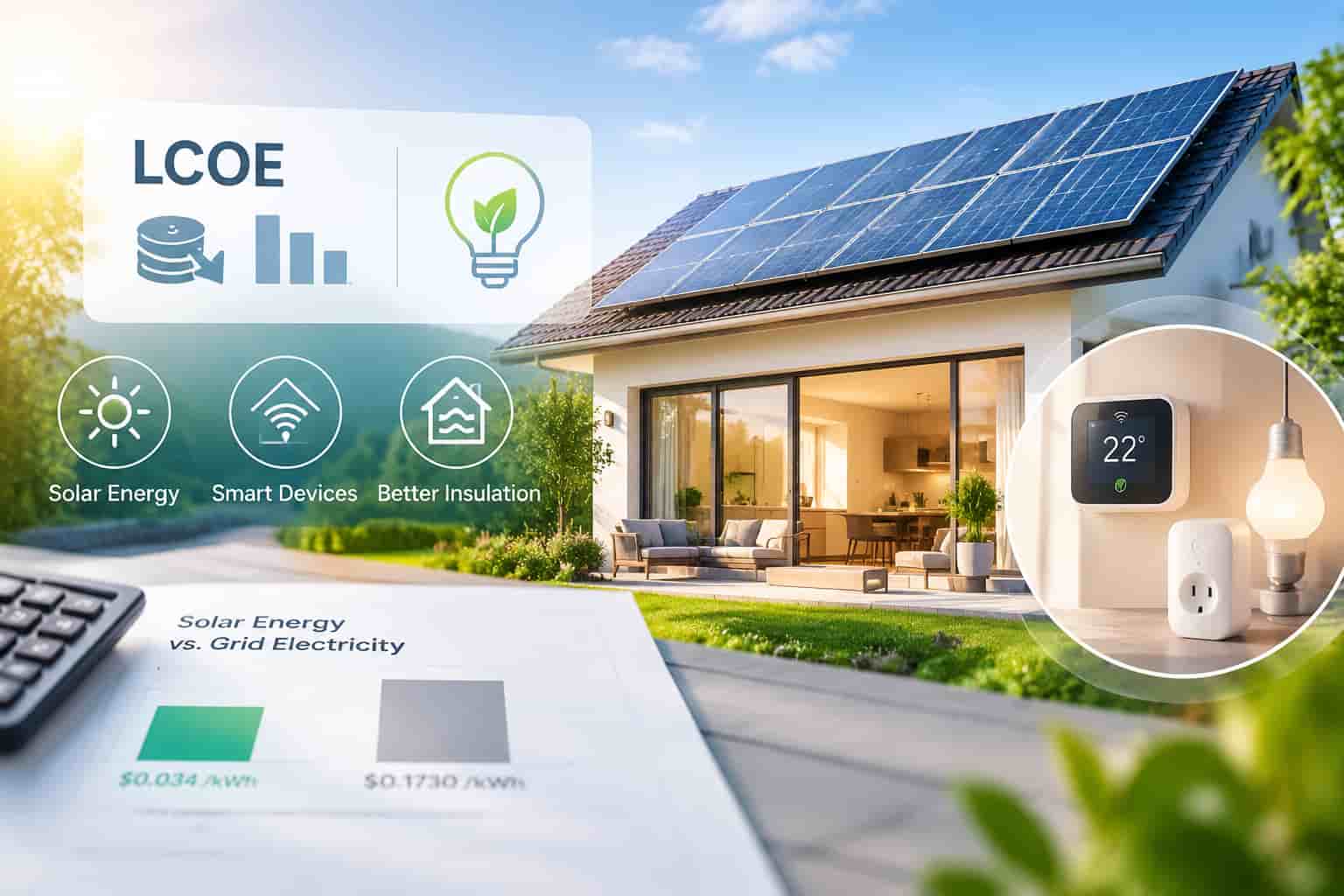
Modern solar energy systems often include monitoring platforms or can be integrated with Virtual Power Plants (VPPs) and smart energy management networks. These solutions allow homeowners to track electricity generation, household consumption, battery performance, and EV charging data in real time.
By reviewing monthly energy reports, you can identify whether your solar EV charging system is operating efficiently. If EV charging demand is higher than expected, adjustments such as adding more solar capacity, improving energy management, or expanding battery storage may help optimize the system.
Maintain Your Solar EV Charging System
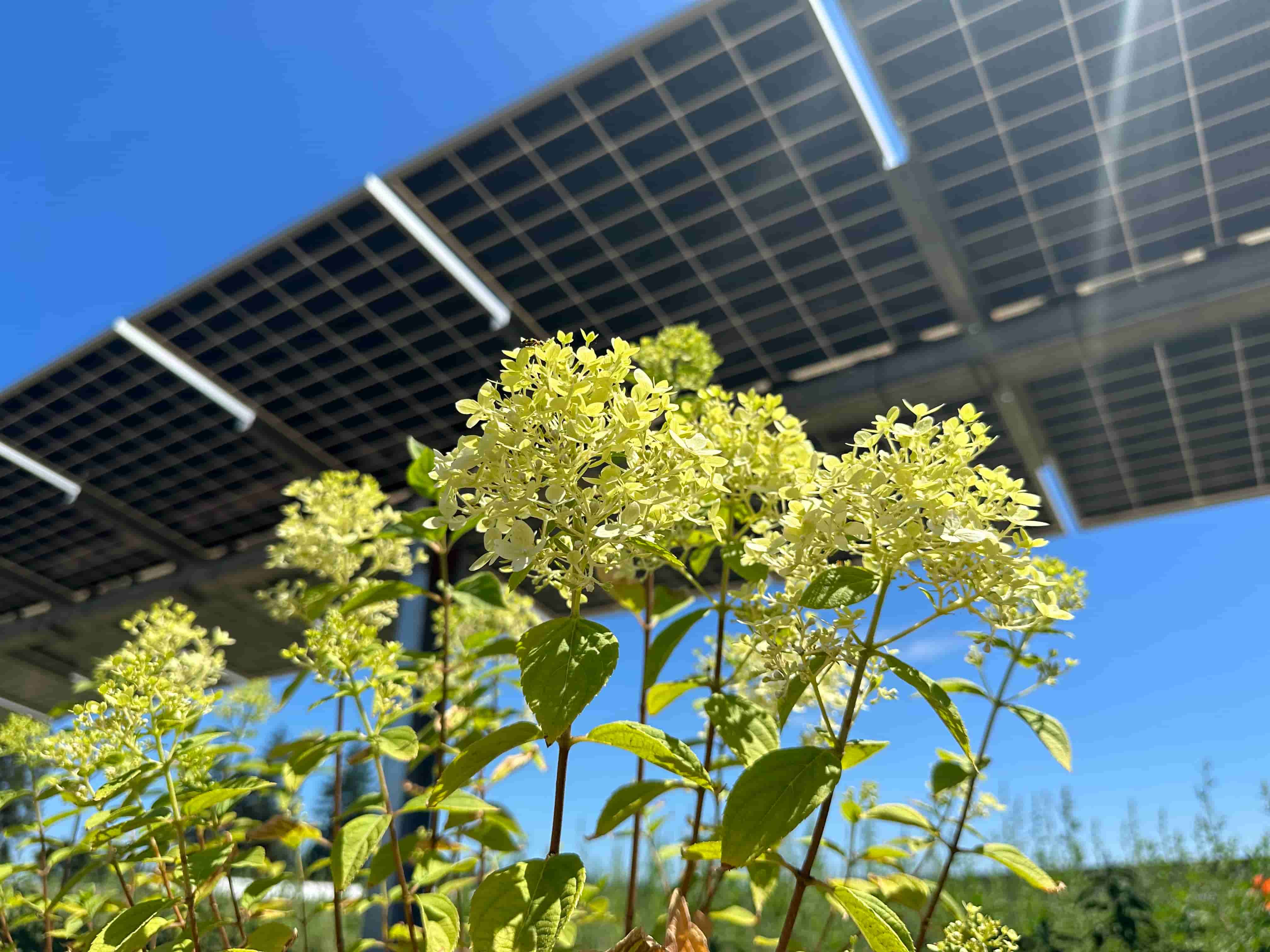
Regular maintenance is essential to maintain the long-term performance of your solar EV charging setup. Solar panels should be kept clean and free from excessive dust, leaves, or other debris that may reduce energy production.
Cleaning your solar panels several times per year, depending on local weather and environmental conditions, can help maintain optimal efficiency. In addition, regularly checking system monitoring data allows you to identify potential issues early and ensure your EV charging system continues to deliver reliable renewable energy.
Final Words
Solar-powered EV charging provides a cleaner, more efficient, and cost-effective solution for modern electric vehicle owners. By using solar energy generated during daylight hours, homeowners can reduce their dependence on grid electricity and lower the long-term cost of EV charging.
During periods of strong sunlight, EV owners can use renewable solar power to charge their vehicles directly. However, charging demand often occurs outside solar production hours, such as at night or during periods of limited sunlight. In these situations, battery storage systems or the electricity grid can provide additional power support to ensure a reliable charging experience.
With proper system design, including the right combination of solar panels, EV chargers, battery storage, and energy management solutions, a solar EV charging system can deliver stable performance while improving energy independence and reducing carbon emissions.

