

3 Costly Mistakes to Avoid When Switching to Solar Energy
Making the decision to go solar is an exciting step toward reducing energy costs and achieving greater energy independence. However, for many homeowners, the process can also feel overwhelming. A solar system is a significant investment, and the wrong decisions during planning or installation could lead to unnecessary expenses and long-term frustration.
Without proper research and preparation, it’s easy to make mistakes that impact your solar investment. Here are three common mistakes you should avoid before making the switch to solar power.
1. Paying More Than Necessary for Your Solar System
When purchasing a major home upgrade, everyone wants to get the best possible value. Solar energy systems are no exception. While solar technology can provide excellent long-term savings, failing to compare options carefully may result in paying much more than you need to.
The good news is that saving money on solar doesn’t require extreme measures. By taking a few practical steps, homeowners can significantly reduce their overall installation costs.
Ways to Lower Your Solar Costs:
- Purchase solar equipment from reliable wholesale suppliers:Buying directly from reputable manufacturers or wholesale distributors can help reduce unnecessary markups and lower equipment costs.
- Compare multiple solar installation quotes:Prices can vary significantly between solar companies. Requesting several quotes allows you to compare equipment quality, installation services, warranties, and overall value.
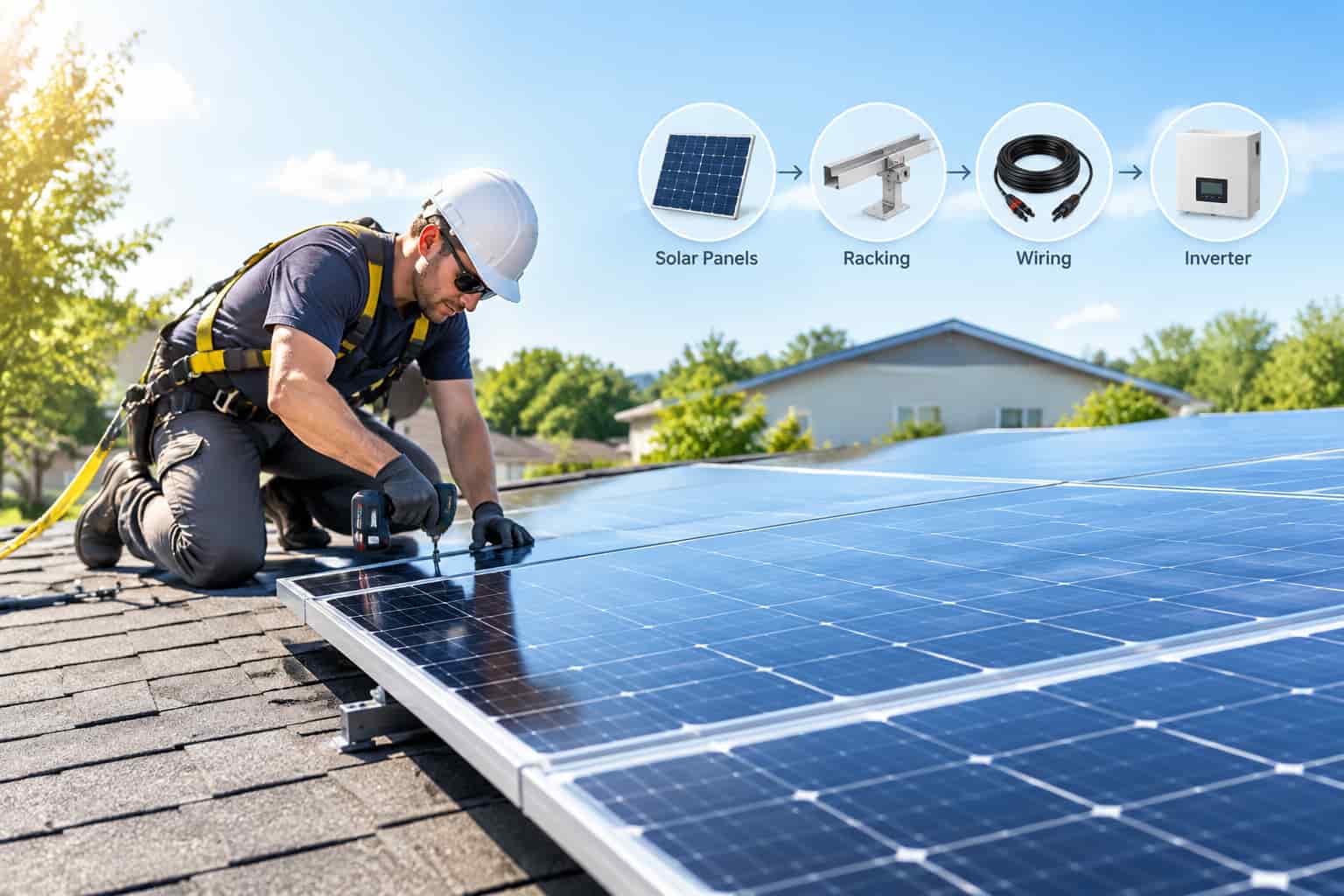
- Consider a DIY solar installation approach:For homeowners with electrical knowledge and technical skills, installing part or all of a solar system themselves may help reduce labor expenses. However, professional guidance should always be considered for safety and compliance.
According to data from Energy Sage, solar installation costs can vary significantly depending on location, system size, equipment selection, and installation factors. For example, solar installations in Utah have historically ranged from approximately $12,665 to $17,135, with costs around $2.53 to $3.43 per watt.
Failing to research pricing, equipment options, and installation providers can leave homeowners vulnerable to excessive fees or inflated service costs. One of the most frustrating experiences in the solar journey is discovering that you paid far more than necessary for the same quality system.
2. Missing Out on Valuable Solar Incentives
One of the biggest mistakes homeowners can make when considering solar energy is waiting too long and missing out on available financial incentives. Regret can be frustrating, especially when delaying a decision means losing opportunities to reduce the overall cost of your solar investment.
A common piece of advice in the solar industry is simple: don’t wait too long to make the transition to solar power. The sooner you install a solar energy system, the sooner you can begin lowering your electricity expenses and benefiting from renewable energy savings.
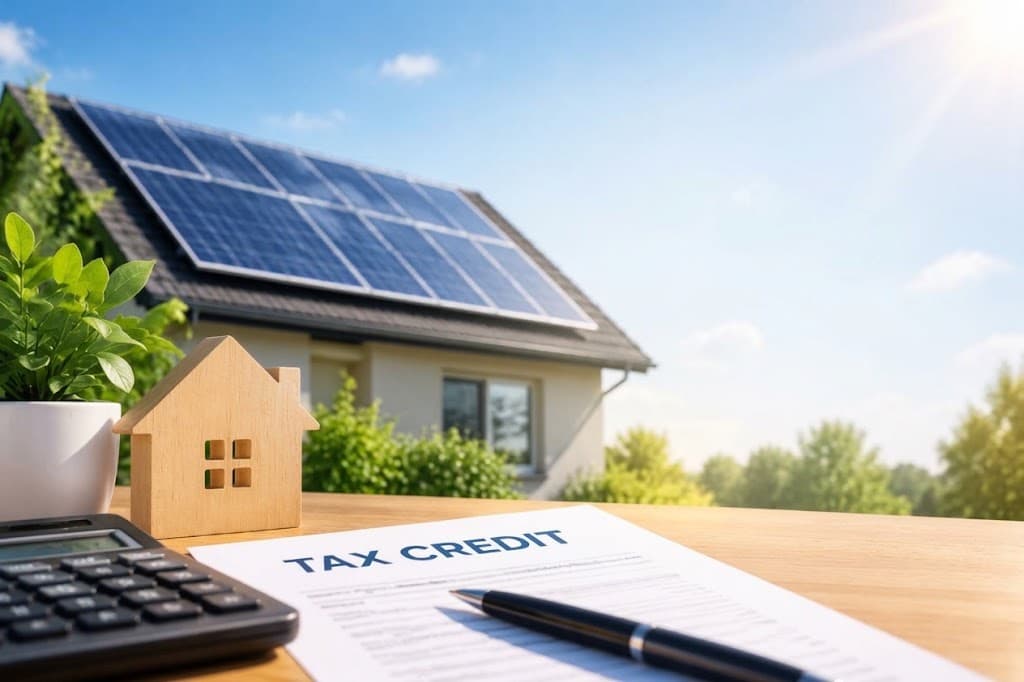
However, delaying your solar project may also mean missing important government incentives designed to make solar more affordable. One of the most significant programs is the Solar Investment Tax Credit (ITC), which allows eligible homeowners and businesses to reduce their federal tax liability based on the cost of their solar installation.
For example, the federal solar tax credit provided a 26% reduction in eligible solar installation costs in 2020 and was scheduled to decrease to 22% in 2021. These incentives can represent substantial savings, making timing an important factor when planning a solar investment.
Before moving forward with a solar installation, be sure to research current incentive programs, eligibility requirements, and expiration dates. Waiting too long could mean missing valuable opportunities to lower your upfront costs and maximize your return on investment.
3.Buying Cheap Panels
Everybody wants to save on their solar but buying cheap panels is the wrong way to go about it. A solar array with good quality solar panels can last 30+ years. They’ll keep producing power helping you save on your electric bill all along the way.
Good quality solar panels will pay for themselves in a few years. This means that any power produced after that is money in your pocket! Not only will good quality panels produce more power for longer they come with warranties’ that can back this up.
Cheap panels can break down quickly and won’t meet their power output potential. In addition cheap panels don’t have the same level of warranty as high-quality panels. Cheap panels can cause a hassle that you don’t want to deal with.
Contact us today to get a quote and ask us any questions you might have. We can help you avoid all of the scary mistakes lurking around the corner.

