


How Solar Power Kits Help Homeowners Avoid $30k+ Installer Markups
Solar power kits allow homeowners to purchase complete solar systems at more affordable, wholesale-style prices by eliminating sales commissions, unnecessary intermediaries, and high installer markups that can add tens of thousands of dollars to traditional solar quotes. These all-in-one packages include essential components such as solar panels, inverters, mounting systems, wiring, and monitoring equipment, all designed to work together as a complete solar solution.
With solar kits from MVC Solar, homeowners can access distributor-level equipment pricing while receiving professional guidance and technical support, making the installation process more accessible for those who prefer a hands-on approach.
What Are Solar Power Kits and How Do They Work?
Solar power kits are complete, pre-designed solar systems that combine the essential components required to generate electricity from sunlight. These solar panel kits are configured to ensure that solar panels, inverters, mounting systems, wiring, connectors, and monitoring equipment are properly matched for system capacity and compatibility.
How Solar Power Kits Work:
- Solar panels capture sunlight and convert it into DC electricity.
- The inverter converts DC power into AC electricity for household use and grid connection.
- Grid-tied solar systems connect with the utility grid, allowing excess electricity to be exported while drawing power when additional energy is needed.
- Off-grid solar systems use batteries to store excess energy, enabling independent operation without a grid connection.
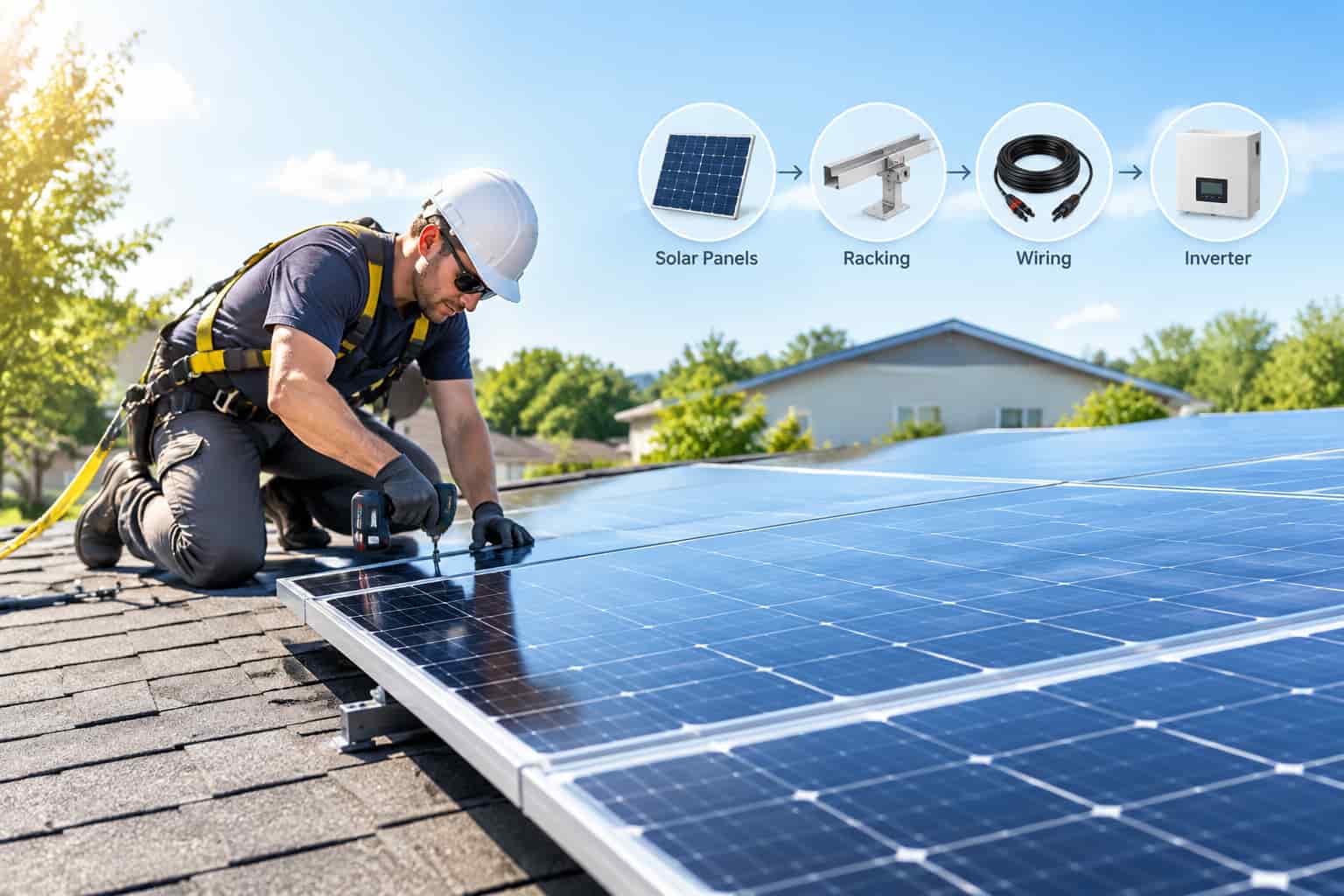
A standard 10 kW residential solar kit typically includes approximately 25 to 30 solar panels rated between 350 and 400 watts each, along with a string inverter or microinverter system, aluminum mounting hardware suitable for the roof structure, MC4 connectors, correctly sized electrical wiring, AC and DC disconnects, and a monitoring platform for tracking energy production. These complete solar kits are engineered to ensure all components work seamlessly together, reducing complexity for first-time DIY installers.
While installing a solar system requires some learning and preparation, the process is achievable for many homeowners with basic electrical knowledge and confidence in handling rooftop work. By following installation instructions, obtaining required permits, and using supplier support resources, many installers can complete the project over several weekends.
The key difference between a solar kit and a traditional solar installation quote is who manages the installation process. When working with a solar installer, homeowners typically pay for equipment as well as sales costs, project management, and labor expenses. With home solar system kits, customers mainly invest in the equipment and take responsibility for the planning and installation process themselves.
Why Solar Power Kits Can Cost 50–70% Less Than Traditional Installations
The significant price difference between many professional solar installation quotes and the actual equipment cost is often caused by multiple additional project expenses. These soft costs may include sales commissions, marketing expenses, labor, project management, operational overhead, insurance, and business profits.
A typical residential solar installation pricing structure includes:
- A considerable portion allocated to sales and marketing activities.
- A significant share covering installation labor and project management.
- Additional costs related to business operations, insurance, and administrative expenses.
- Only part of the total price dedicated to the solar equipment itself.
When purchasing a wholesale solar kit, homeowners mainly pay for the system components, required permits, and any optional electrical services needed for final connections. This approach can significantly reduce the overall project cost compared with a full-service installation quote for a system with similar capacity and equipment quality.
MVC Solar’s approach is based on direct equipment distribution rather than commission-based sales models. Customers invest in essential components such as solar panels, inverters, mounting systems, and supporting hardware without the additional retail markups commonly included in traditional installation services.
The potential savings can become even more noticeable when applying the 30% federal solar tax credit to a lower initial project cost. A reduced system price combined with the same tax credit percentage can further increase the difference in final out-of-pocket expenses between DIY solar kits and full-service installations.
What Is Included in a Complete Solar Power Kit?
Understanding the components included in a solar power kit helps homeowners evaluate different options and ensure that no essential parts are overlooked.
Most high-quality residential solar kits include:
Monocrystalline solar panels typically rated between 350 and 400 watts, featuring long-term performance warranties. The kit provides the required number of panels to achieve the designed system capacity and expected energy production targets. These panels are certified to meet the standards required for permitting and grid interconnection.
A complete kit includes either a central string inverter or a microinverter system. String inverters are commonly used for straightforward, unshaded roof designs, while microinverters are suitable for roofs with complex layouts or partial shading. Both options support monitoring functions and comply with relevant standards for grid-connected applications.
Racking and mounting hardware
Aluminum rails or mounting structures designed for specific roof types, including clamps, fasteners, and roof attachment components. The mounting system is engineered to meet applicable wind and snow load requirements and provides the necessary technical information for the permitting process.
Electrical components
Essential electrical accessories such as MC4 connectors, properly sized wiring, AC and DC disconnect switches required by electrical codes, and grounding equipment. Many kits also include monitoring devices or connect directly with the inverter’s integrated monitoring system.
Documentation and technical support
Complete installation documentation, including user manuals, system diagrams, wiring schematics, and component specification sheets. Customers can also access technical support services to receive assistance with installation-related questions.
How to Choose the Right Solar Power Kit for Your Home
Selecting the right solar power kit begins with understanding your actual energy consumption rather than relying only on your home’s square footage.
Key steps include:
- Review 12 months of electricity bills to determine your total annual energy usage in kWh.
- Use your annual electricity consumption to calculate the solar system size required to offset your energy needs.
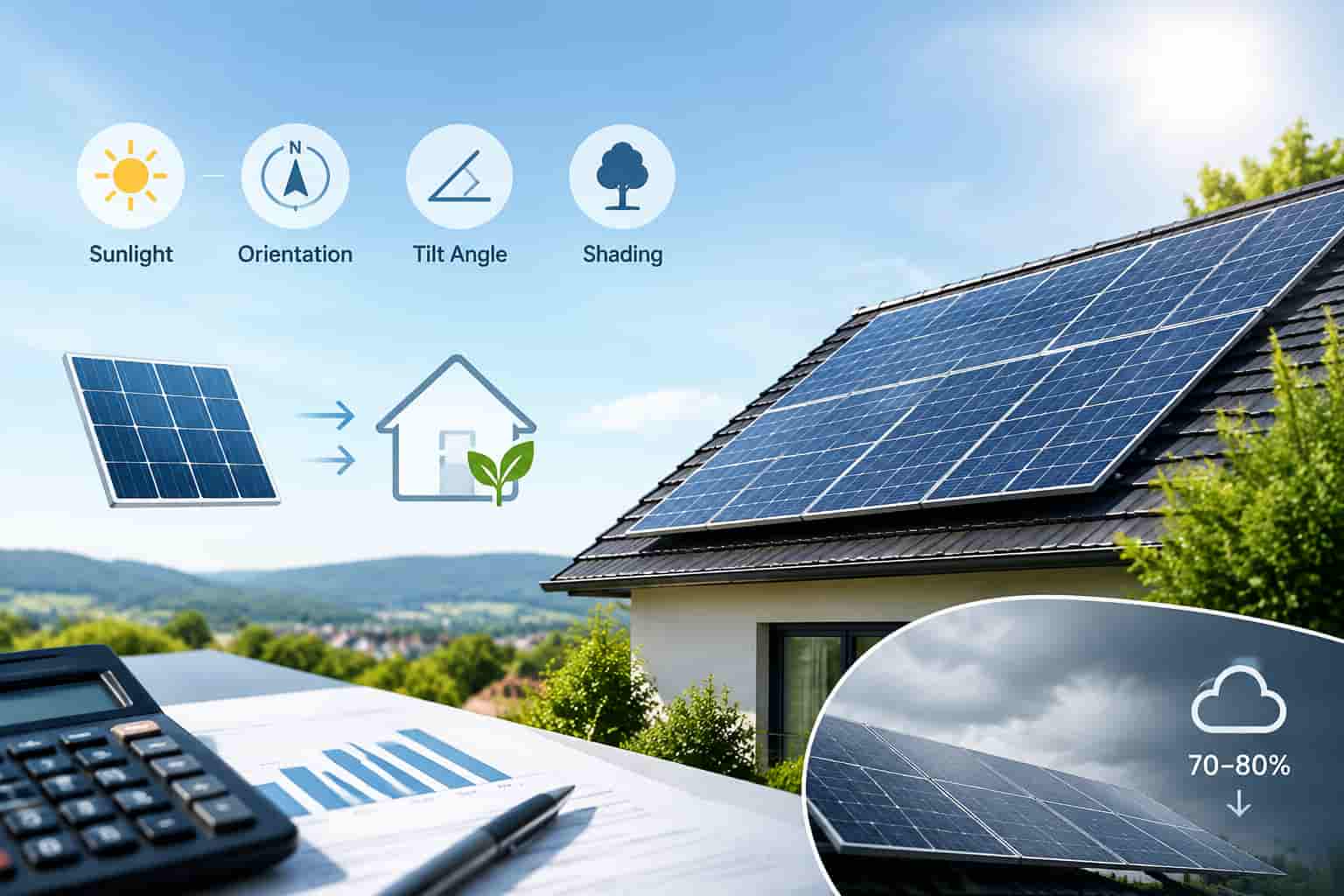
- Evaluate available roof space, roof orientation, and shading conditions to confirm the system can be installed effectively.
- Determine whether you need a grid-tied solar system or an off-grid or hybrid configuration based on your energy requirements.
General Guidelines:
- Homes between 1,500 and 2,000 square feet may often require a mid-sized solar system, but actual electricity consumption is the most important factor when determining system capacity.
- Available roof space usually sets the maximum system size for existing homes. Each solar panel requires approximately 20+ square feet, while additional space must be reserved for roof setbacks and other obstacles.
- Grid-tied solar kits are generally more affordable because they do not require battery storage. Off-grid systems include batteries and more advanced energy management components, increasing both cost and installation complexity.
Roof type and roof condition are also important factors when selecting a solar kit. Standard composition shingle roofs are compatible with many common mounting solutions, while tile, metal, flat, and other roof designs require specialized mounting hardware. Proper racking selection ensures the system is matched to the specific roof structure. Solar Wholesale customizes mounting solutions based on roof type when recommending home solar kits.
If you are uncertain how to convert your energy usage and roof conditions into the correct system size and kit configuration, you can provide your electricity bills and roof information to Solar Wholesale for assistance in selecting suitable solar kit options.
Can You Install Solar Power Kits Yourself?
Many homeowners are able to install solar power kits themselves when they have:
- Confidence working safely on rooftops.
- A willingness to understand basic electrical principles.
- The ability to follow detailed installation instructions and system diagrams.
- Enough time to complete planning, installation, and required documentation.
A Typical DIY Installation Process:
- You complete the solar panel mounting, racking installation, and DC wiring.
- You may hire a licensed electrician to complete the final AC connections at the main electrical panel.
- You manage permit applications and inspection scheduling while using supplier-provided documentation as a reference.
To minimize risks and ensure that essential electrical connections are completed correctly, many DIY solar installers choose a hybrid installation approach. This allows them to handle most of the installation work independently while hiring a professional for the final electrical connection. This method can maintain a significant portion of the cost savings compared with a full-service solar installation.

