

Solar Panel Lifespan: How Long Do PV Systems Last?
Solar panels are a long-term investment in renewable energy, and their durability is one of the key factors for homeowners and businesses considering solar solutions. Understanding the average lifespan of PV systems can help maximize energy savings and investment returns.
How Long Do Solar Panels Last?
Most solar panels have an expected lifespan of 25 to 30 years. Thanks to advanced manufacturing technology and durable materials, modern PV modules are designed to deliver reliable performance for decades.
Solar panel manufacturers typically offer a 25-year power warranty, ensuring that panels will maintain at least 80% of their original power output after 25 years of operation. In many cases, high-quality solar panels continue producing energy efficiently beyond this period, making them a cost-effective solution for long-term clean energy generation.
Factors Affecting the Lifespan of Solar Panels
Several factors can influence the lifespan and long-term performance of solar panels, including panel quality, installation, maintenance, and environmental conditions.
Solar Panel Quality
The quality of solar panels plays a key role in determining their durability. High-quality panels use reliable materials and advanced manufacturing processes, making them more resistant to UV exposure, temperature changes, and long-term degradation. Although lower-quality panels may have a lower initial cost, they are more likely to experience faster performance decline and higher replacement costs over time.
Installation Quality
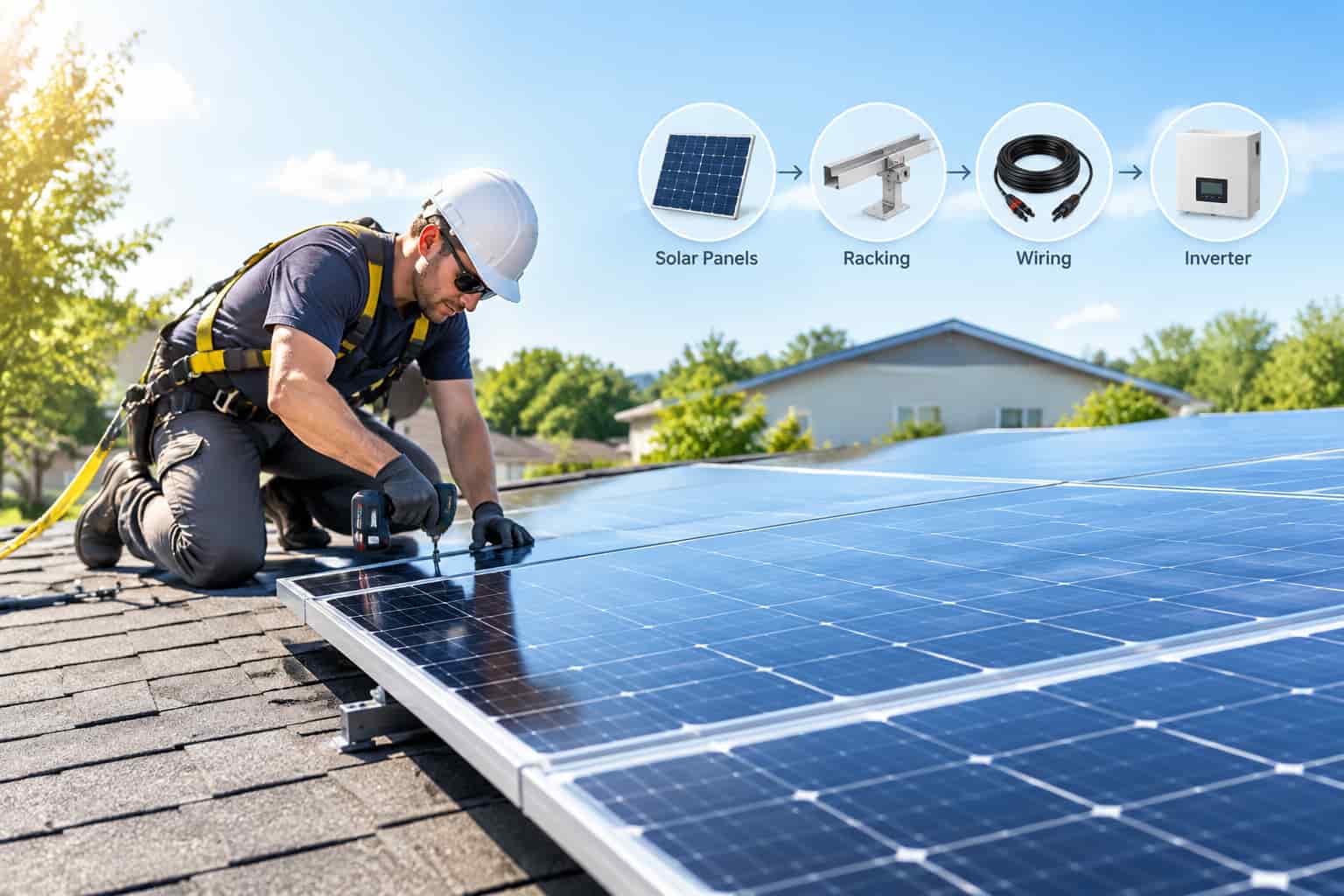
Professional installation is essential for maximizing the lifespan of a solar panel system. Panels should be installed according to manufacturer guidelines and industry standards, with proper mounting, ventilation, and positioning. Poor installation can cause issues such as micro-cracks, water damage, or reduced energy output, leading to premature panel failure.
Solar Panel Maintenance
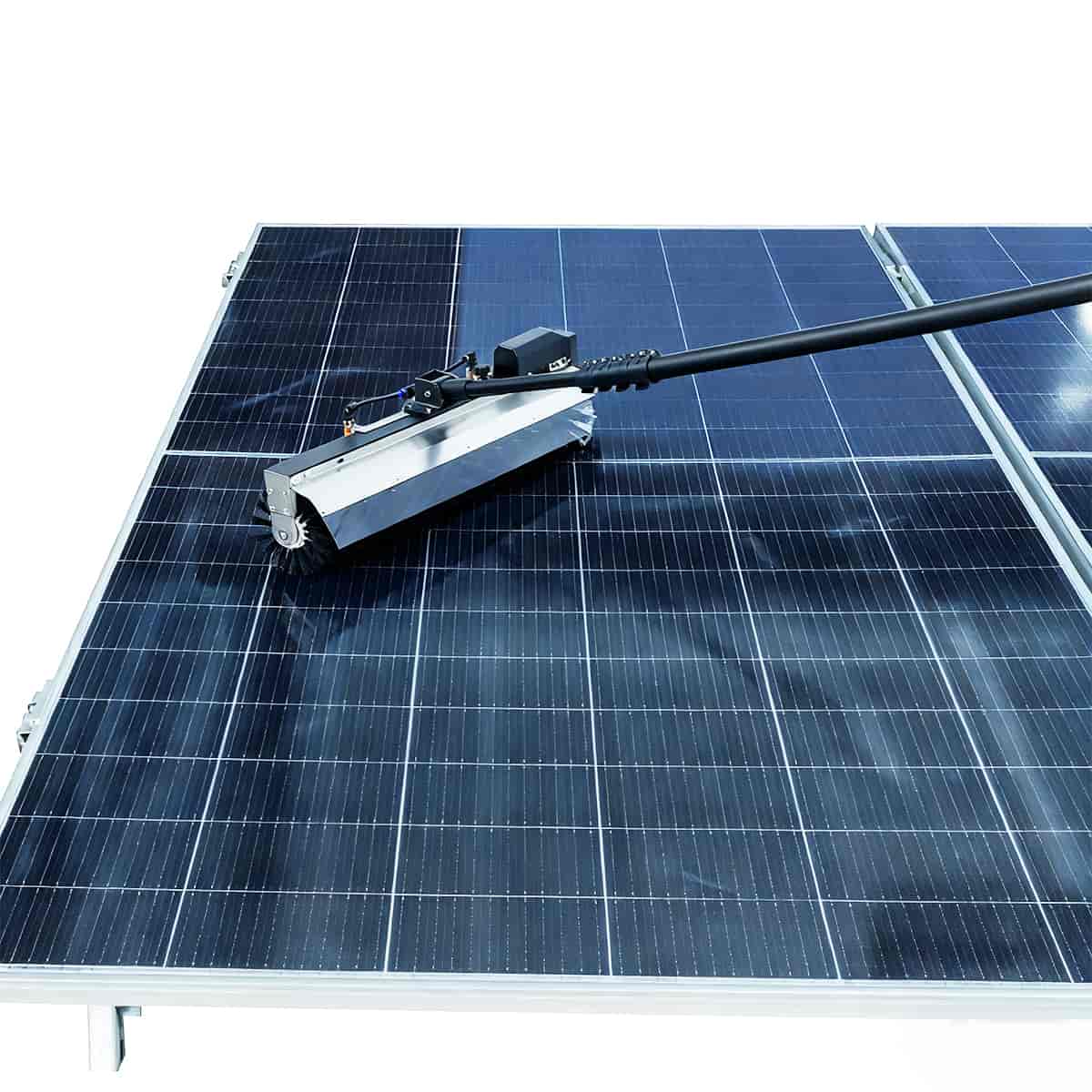
Regular maintenance helps ensure solar panels operate efficiently throughout their service life. Removing dust, dirt, and debris allows panels to absorb maximum sunlight, while routine inspections can detect problems such as loose connections or damaged components before they become major issues.
Environment and Climate
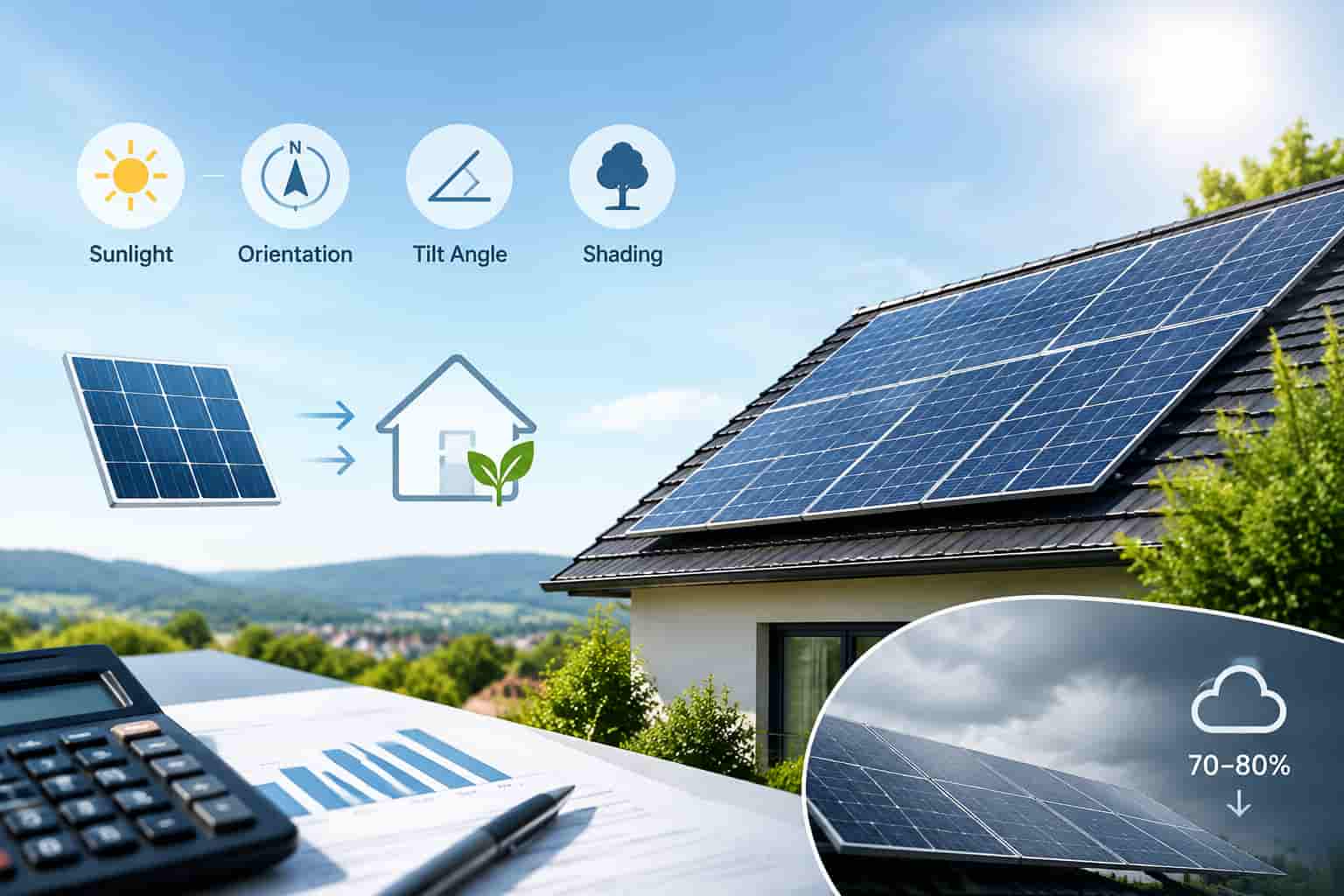
Climate conditions have a significant impact on solar panel longevity. Extreme temperatures, strong winds, hail, and high humidity can accelerate panel degradation and increase the risk of damage or corrosion. Solar panels installed in moderate climates with fewer extreme weather events generally experience slower degradation and longer service lives.
How Quickly Do Solar Panels Degrade?
Solar panels naturally lose efficiency over time, a process known as the solar panel degradation rate. According to a 2024 study by the National Laboratory of the Rockies (NLR), analyzing data from nearly 2,500 commercial and utility-scale solar systems, solar panels experience an average performance decline of around 0.75% per year.
The degradation rate indicates how much power a solar panel will lose annually compared with its original output. To estimate future performance, multiply the annual degradation rate by the number of years the system has been operating, then subtract the result from 100%.
For example, with a degradation rate of 0.75% per year, solar panels can maintain about 99.25% of their original output after two years and approximately 81.25% of their initial capacity after 25 years. The study also found that climate conditions affect degradation rates: panels in cooler regions degraded at around 0.48% per year, while systems in hotter climates experienced higher degradation of approximately 0.88% per year.
3 Tips to Extend the Lifespan of Your Solar Panels
Proper selection, cleaning, and maintenance can significantly improve the performance and service life of your solar panel system. Here are three effective ways to extend solar panel lifespan.
Choose a High-Quality Solar PV System
Investing in a reliable solar photovoltaic system from a trusted manufacturer is essential for long-term performance. High-quality solar panels are built with durable materials, advanced designs, and better resistance to environmental stress. They also typically include longer warranties, helping reduce repair costs and the risk of premature replacement.
Solar Panels Clean
cleaning helps maintain solar panel efficiency by removing dust, dirt, leaves, and other debris that can block sunlight. The required cleaning frequency depends on local conditions—areas with heavy dust, pollution, or frequent debris may require more frequent maintenance. Using soft brushes and suitable cleaning methods can prevent surface damage.
Perform Regular Inspection and Maintenance
Routine inspections allow potential issues to be identified and resolved before they affect system performance. Regular maintenance should include checking for physical damage, loose connections, corrosion, and software updates for smart solar systems. Professional maintenance services can also help optimize performance and extend the overall lifespan of solar panels.
Conclusion
Understanding solar panel lifespan helps homeowners and businesses make informed decisions when investing in solar energy. With high-quality solar solutions and proper maintenance, solar panels can deliver reliable performance for many years while maximizing energy savings. Regular care not only extends the service life of your solar system but also supports a cleaner and more sustainable energy future.
FAQ:
Yes, photovoltaic (PV) modules can be recycled. Recycling methods for common solar panel materials, including silicon and cadmium telluride, are already available. However, in some regions such as the United States, the current cost of recycling solar panels can still be higher than landfill disposal.
Many specialized and general recycling facilities have the capability to process used PV modules and recover valuable materials. As recycling technologies continue to improve, new methods are being developed to increase material recovery rates and improve recycling efficiency. These innovations will help reduce the environmental impact of solar energy and support a more sustainable solar industry.

