


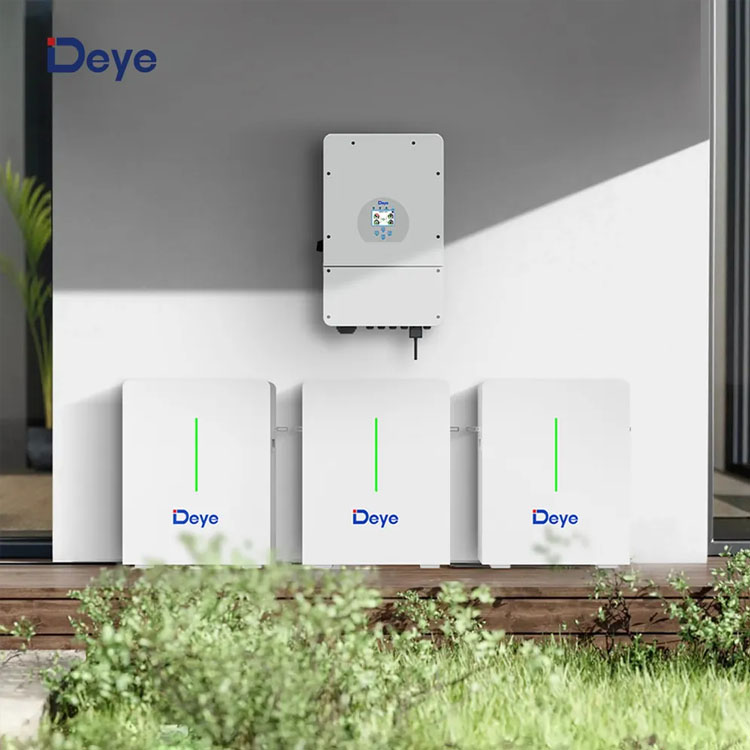
LiFePO4 Battery Life: How Long Can They Really Last?
What Is a LiFePO4 Battery?
A LiFePO4 battery, short for lithium iron phosphate battery, is a type of rechargeable lithium-ion battery known for its excellent safety, durability, and long service life. It stores and releases energy through the movement of lithium ions between the cathode and anode, with the electrolyte acting as the medium that enables efficient energy transfer.
Compared with traditional lead-acid batteries, LiFePO4 batteries offer significant advantages in safety and convenience. They are maintenance-free, do not contain liquid acid, and eliminate the risks of leakage, harmful fumes, or frequent maintenance. This makes them an ideal energy storage solution for a wide range of applications, including home energy storage, solar systems, RVs, marine applications, and off-grid power solutions.
Thanks to their stable lithium iron phosphate chemistry, LiFePO4 batteries provide exceptional thermal stability, reduced risk of overheating, lightweight construction, and a much longer cycle life. Their ability to deliver reliable power over thousands of charge and discharge cycles makes them a preferred choice for users seeking a safe, efficient, and low-maintenance deep-cycle battery solution.
What Factors Affect LiFePO4 Battery Life?
LiFePO4 batteries are widely recognized for their long lifespan, excellent safety, and reliable performance. A high-quality lithium iron phosphate battery can typically provide thousands of charge and discharge cycles, making it a popular choice for solar energy storage, RVs, marine applications, backup power systems, and off-grid solutions.
However, the actual lifespan of a LiFePO4 battery depends on several important factors, including depth of discharge (DoD), charging methods, operating temperature, and overall maintenance. Understanding these factors can help maximize battery performance and extend its service life.
1. Depth of Discharge (DoD) and LiFePO4 Battery Lifespan
Depth of discharge (DoD) refers to the percentage of battery capacity used before the battery is recharged. One of the biggest advantages of LiFePO4 batteries compared with traditional lead-acid batteries is their ability to handle deeper discharges without significant damage.
While lead-acid batteries typically suffer accelerated degradation when discharged below 50% capacity, LiFePO4 batteries can safely support much deeper discharge levels, with many models capable of reaching up to 100% DoD when necessary.
However, regularly draining a battery completely may reduce its overall cycle life. For users looking to maximize long-term performance, maintaining a moderate discharge level—typically around 80% DoD or less—is recommended.
2. Proper Charging Habits Extend Battery Life
Charging practices have a direct impact on LiFePO4 battery performance and longevity. Using a charger specifically designed for lithium iron phosphate batteries ensures that the charging voltage and current remain within the recommended range.
Avoiding overcharging, excessive charging current, and improper charging methods can significantly reduce battery stress and help maintain battery capacity over time.
3. Temperature Effects on LiFePO4 Battery Performance
Temperature is another key factor that affects LiFePO4 battery life. Lithium iron phosphate batteries perform best within a moderate temperature range, generally between 32°F and 113°F (0°C to 45°C).
Extreme temperatures can negatively impact battery efficiency, charging performance, and cycle life. High temperatures may accelerate battery aging, while extremely cold conditions can reduce charging efficiency and available capacity.
How to Maximize LiFePO4 Battery Lifespan
LiFePO4 batteries are known for their long cycle life, safety, and reliability, but proper care and storage practices can further extend their service life. While lithium iron phosphate batteries require very little maintenance compared with traditional lead-acid batteries, factors such as storage conditions, state of charge, and regular inspections can have a significant impact on long-term performance.
By following a few simple maintenance guidelines, you can help your LiFePO4 battery maintain its capacity, efficiency, and reliability for many years.
1. Store LiFePO4 Batteries in a Cool and Dry Environment
Proper storage conditions are essential for maintaining LiFePO4 battery performance. Lithium iron phosphate batteries should be kept away from extreme temperatures, direct sunlight, and high humidity.
For short-term storage, LiFePO4 batteries can generally be stored in temperatures between 32°F and 104°F (0°C to 40°C). For long-term storage, a cooler environment between 50°F and 77°F (10°C to 25°C) is recommended to help reduce battery stress and preserve capacity.
Before storing the battery, disconnect all connected devices or electrical loads to prevent small continuous power draws, which may gradually drain the battery and reduce its lifespan.
2. Maintain the Proper State of Charge During Storage
The battery’s state of charge (SOC) is another important factor affecting LiFePO4 battery lifespan. Avoid storing lithium iron phosphate batteries when they are completely full or completely empty for extended periods.
For long-term storage, maintaining a charge level between 40% and 80% is generally recommended. This range helps minimize chemical stress and reduces the risk of over-discharge, which can negatively affect battery health.
3. Perform Regular Battery Checks
One of the advantages of LiFePO4 batteries is that they are virtually maintenance-free. Unlike lead-acid batteries, they do not require water refilling, acid maintenance, or frequent cleaning to prevent corrosion.
However, occasional inspections are still recommended, especially when the battery has been stored for an extended period or is used in critical applications such as solar backup systems, RVs, and marine power solutions.
Every few months, check the following:
Battery charge level and overall condition.
Cable connections for looseness or damage.
Signs of physical damage, moisture, or unusual performance.
Proper operation of the Battery Management System (BMS).
Conclusion:
Choose LiFePO4 Batteries for Long-Lasting Energy Storage
LiFePO4 batteries have become one of the most reliable energy storage solutions thanks to their outstanding lifespan, high safety, low maintenance requirements, and excellent performance. Compared with traditional lead-acid batteries, lithium iron phosphate batteries offer a much longer cycle life, deeper discharge capability, and more stable operation, making them ideal for solar energy systems, RVs, marine applications, backup power, and off-grid energy solutions.
With proper charging practices, suitable storage conditions, and effective temperature management, a high-quality LiFePO4 battery can provide years of dependable power while maintaining excellent efficiency and reliability.
If you are looking for a safe, durable, and high-performance battery solution for your energy storage needs, our LiFePO4 batteries are designed to deliver reliable power and long-term value.
Contact us today to learn more about our battery solutions and find the right energy storage option for your needs.

