

Is Photovoltaic Technology Worth Investing in for Your Home?
With rising electricity prices and increasing demand for clean energy, residential photovoltaic technology has become an important option for homeowners looking to reduce energy costs and improve energy independence.
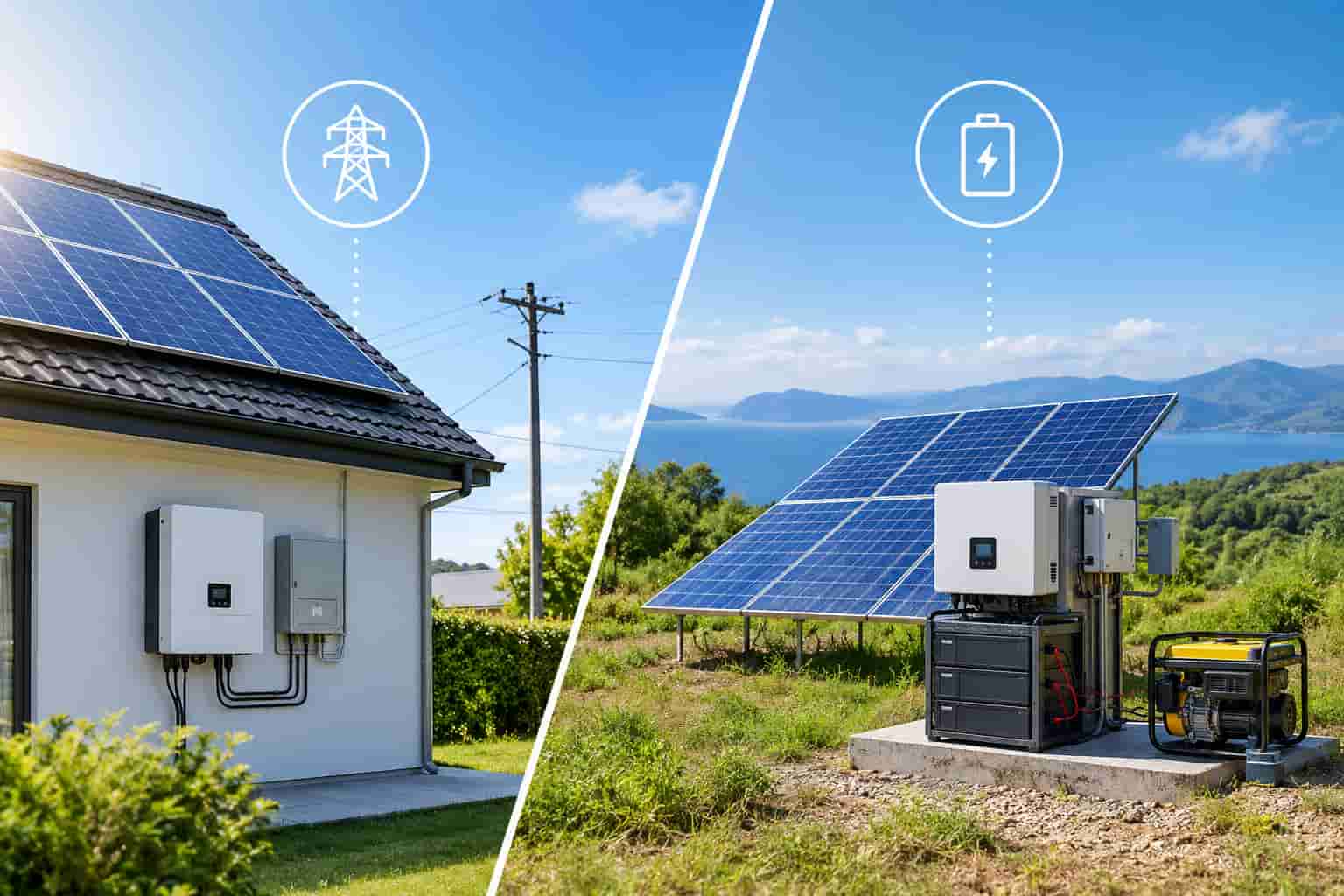
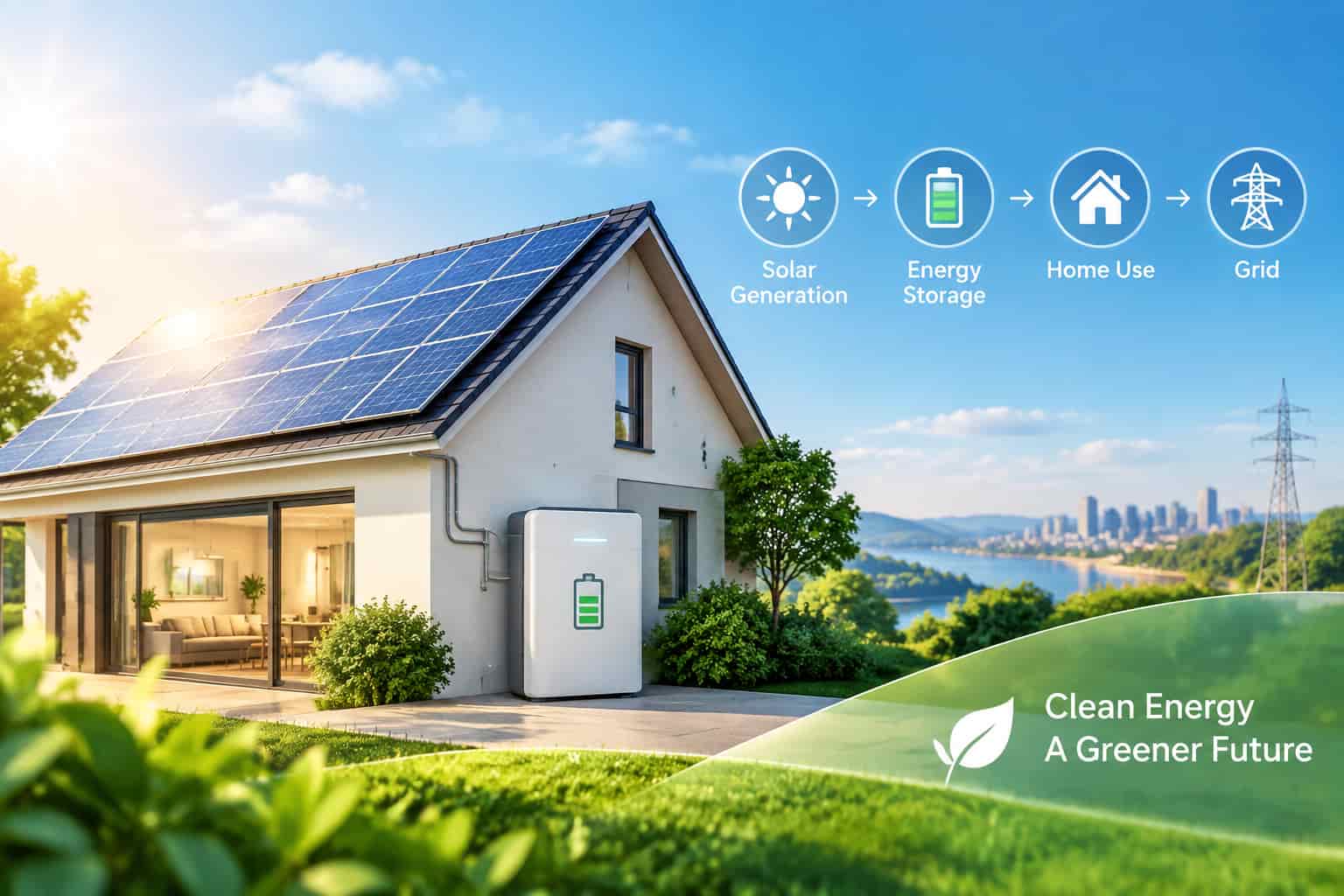
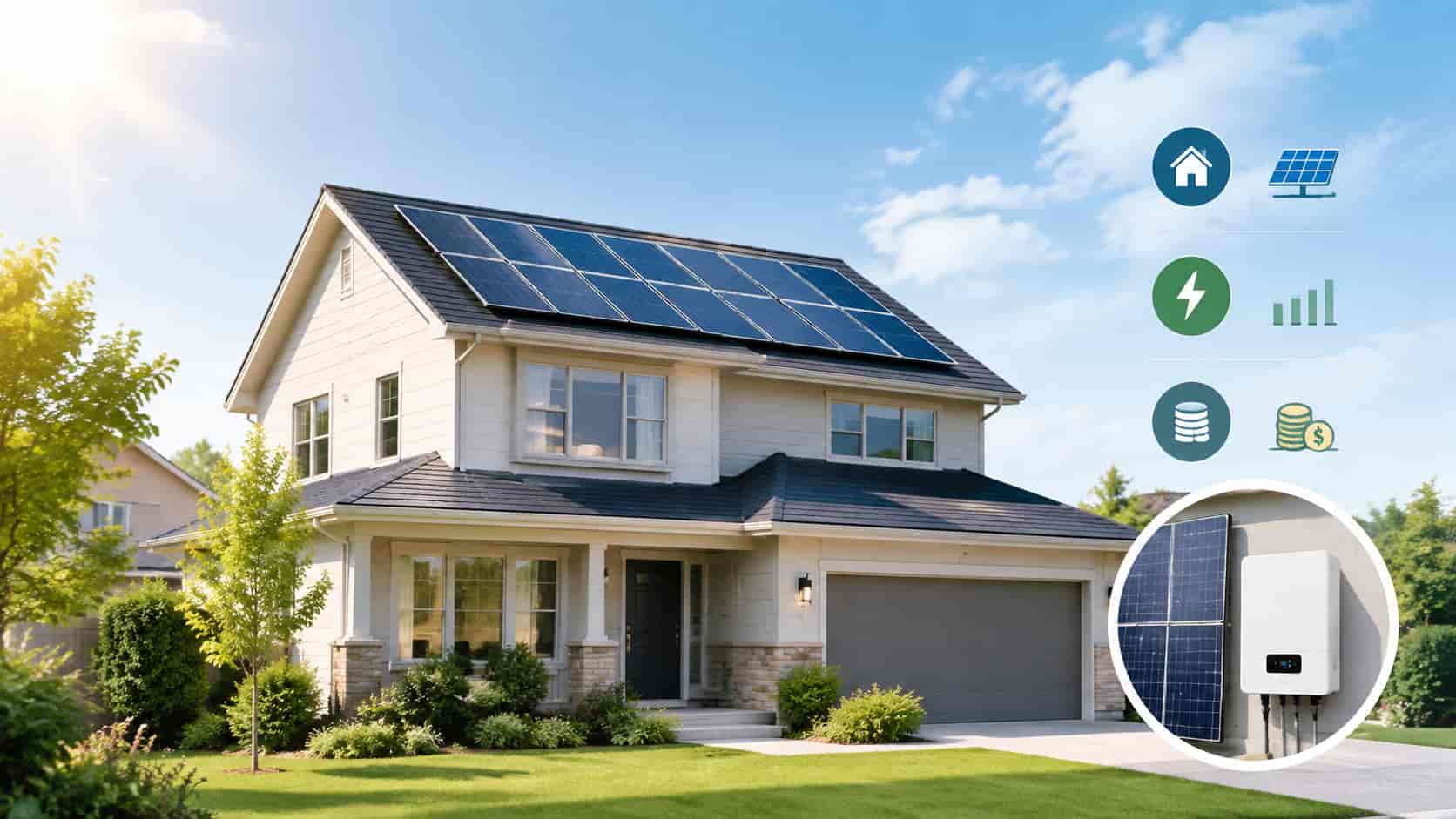
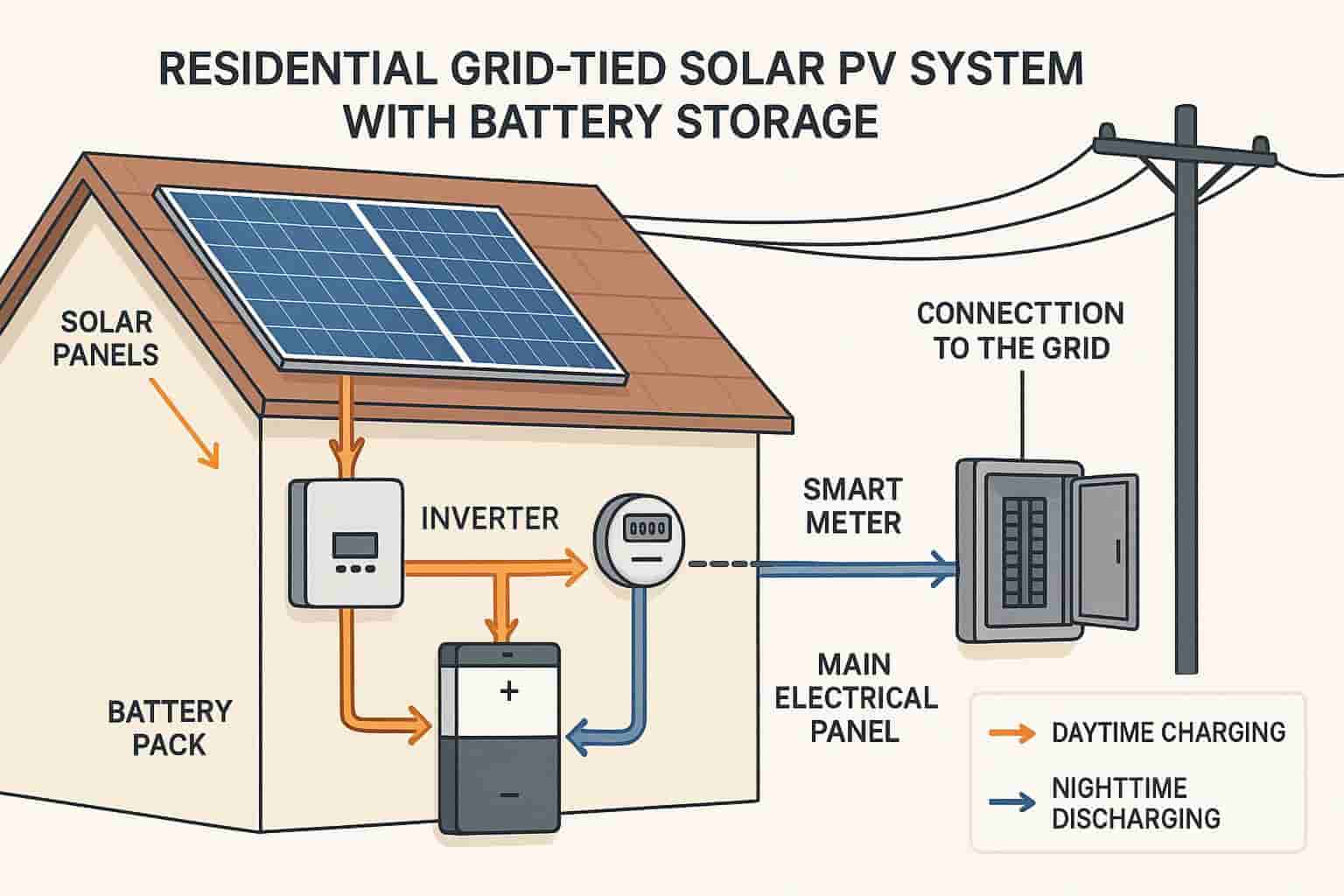
A modern residential solar system is no longer only about installing solar panels on a roof. Today, a complete solar photovoltaic system usually includes:
Solar Panel + Solar Inverter + Battery Energy Storage System
This combination allows homeowners to generate, manage, and store renewable electricity more efficiently.But is photovoltaic technology really worth the investment? How much can homeowners save? How long does a solar system last? Does solar work on cloudy days?This article explains the key factors homeowners should understand before investing in residential photovoltaic technology.
What Is Photovoltaic Technology?
Photovoltaic technology is a method of converting sunlight directly into electricity through solar cells.When sunlight reaches a photovoltaic module, solar cells generate direct current (DC) electricity. A solar inverter then converts DC power into alternating current (AC) electricity used by household appliances.
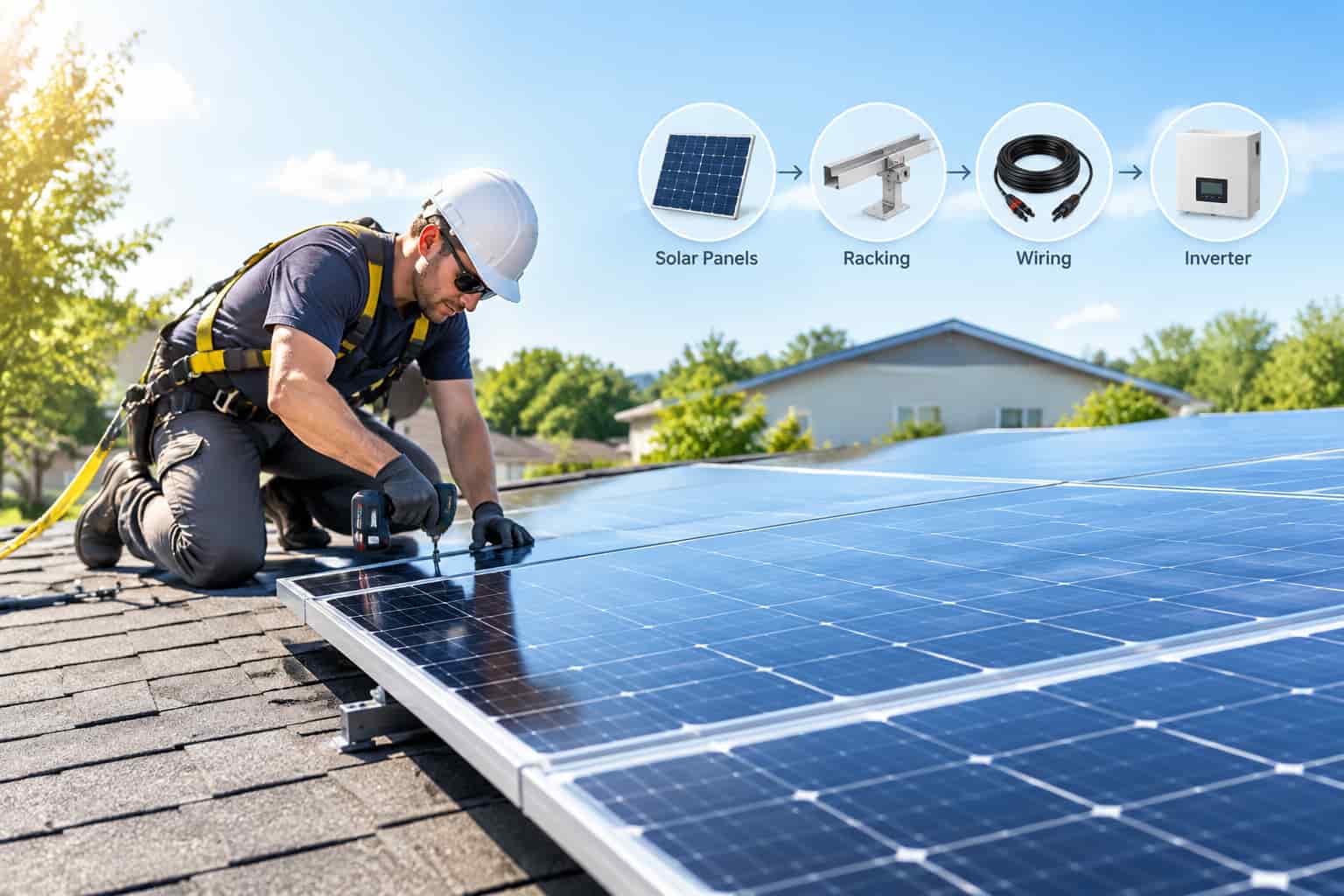
A typical home solar energy system includes:
Photovoltaic solar panels – generate electricity from sunlight
Solar inverter – converts and manages electrical power
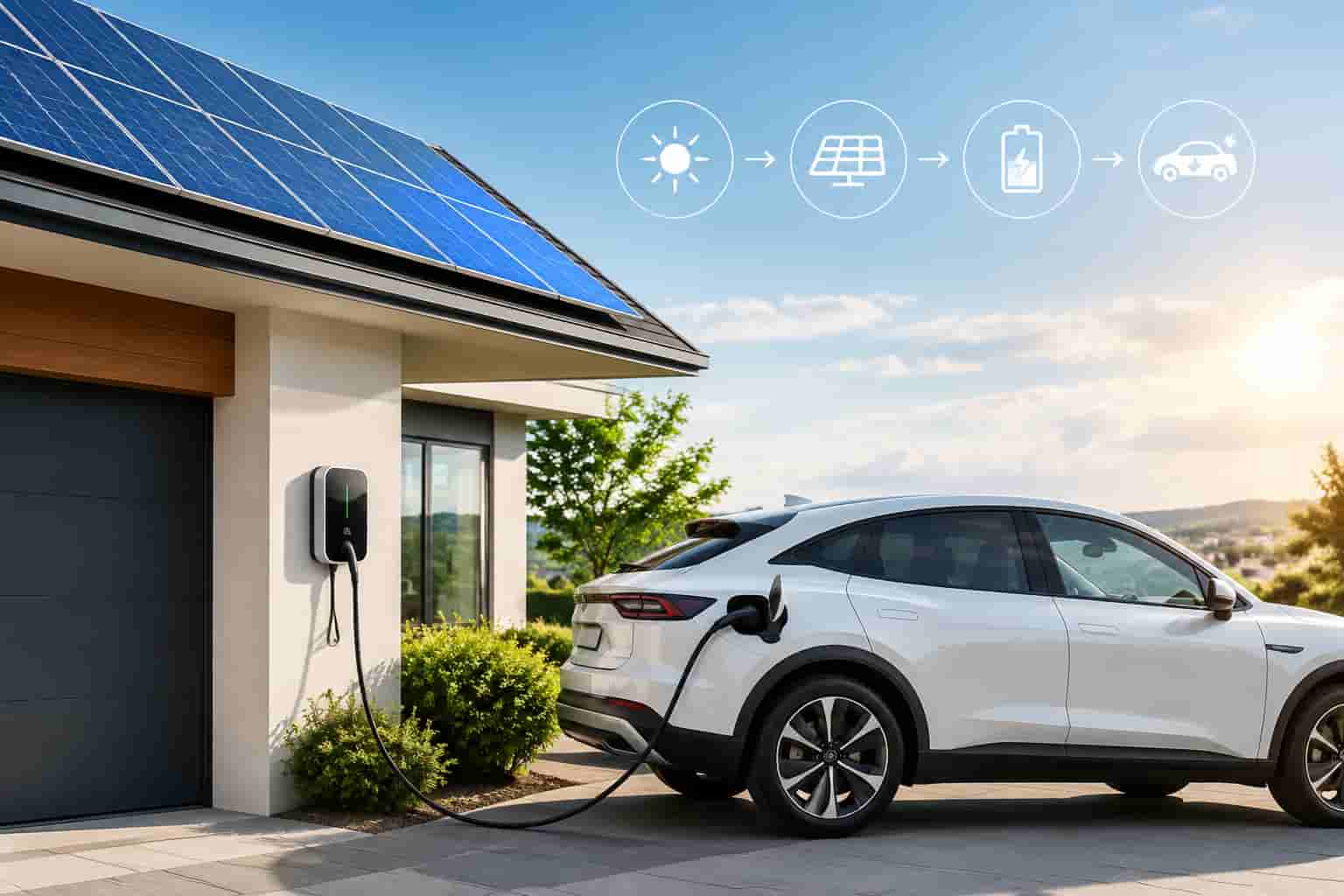
Battery storage system – stores excess solar energy for later use
According to the International Energy Agency (IEA), solar photovoltaic technology has become one of the fastest-growing renewable energy technologies worldwide due to falling costs and improved efficiency.
How Much Money Can Solar Panels Save Homeowners?
One of the biggest reasons homeowners choose photovoltaic technology is reducing electricity bills.
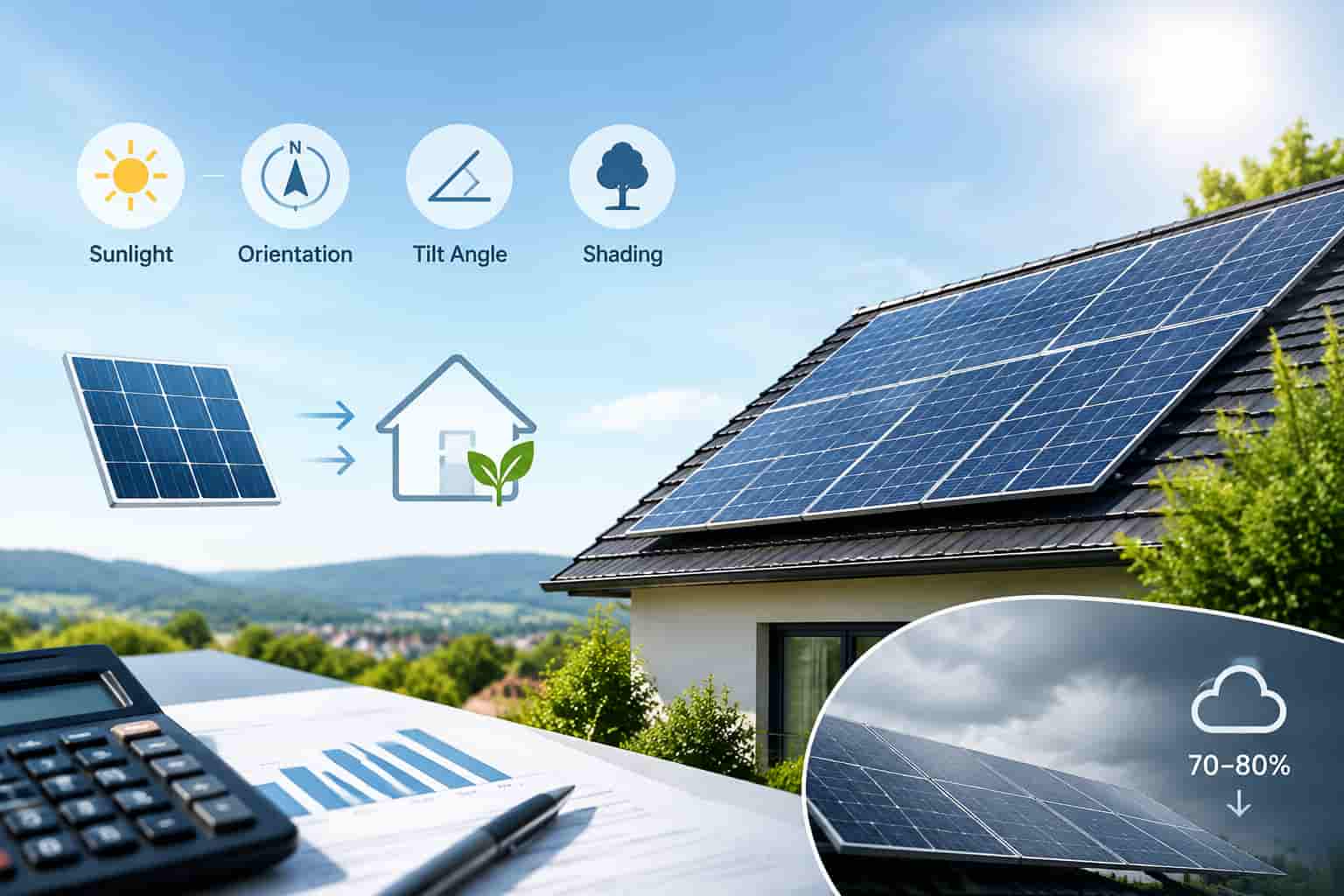
The actual savings depend on:
Local electricity prices
Solar system size
Roof orientation
Annual sunlight hours
Electricity consumption patterns
According to the U.S. National Renewable Energy Laboratory (NREL), solar photovoltaic system costs have decreased significantly over the past decade. From 2010 onward, residential PV system costs have declined by approximately 64%, driven by improvements in module efficiency, manufacturing scale, and lower hardware costs.Lower installation costs make residential photovoltaic systems more accessible for homeowners.
How Long Does a Photovoltaic System Last?
A common concern among homeowners is system lifespan.
Solar Panels:Most high-quality solar panels are designed to operate for25–30 years or longer(During this period, solar modules gradually lose a small amount of power output each year.)
NREL research uses a typical photovoltaic system lifetime assumption of 30 years in residential solar economic models.
Solar Inverters:Around 10–15 years depending on technology and operating conditions
Battery Storage:Battery storage can significantly improve solar energy utilization. A typical 10–15kWh residential battery can operate for around 10–15 years and help increase solar self-consumption fromapproximately 30–40% to 70–80%, reducing thousands of kilowatt-hours of grid electricity consumption over its lifetime.
Is Photovoltaic Technology Expensive to Maintain?
One advantage of solar energy systems is relatively low maintenance.
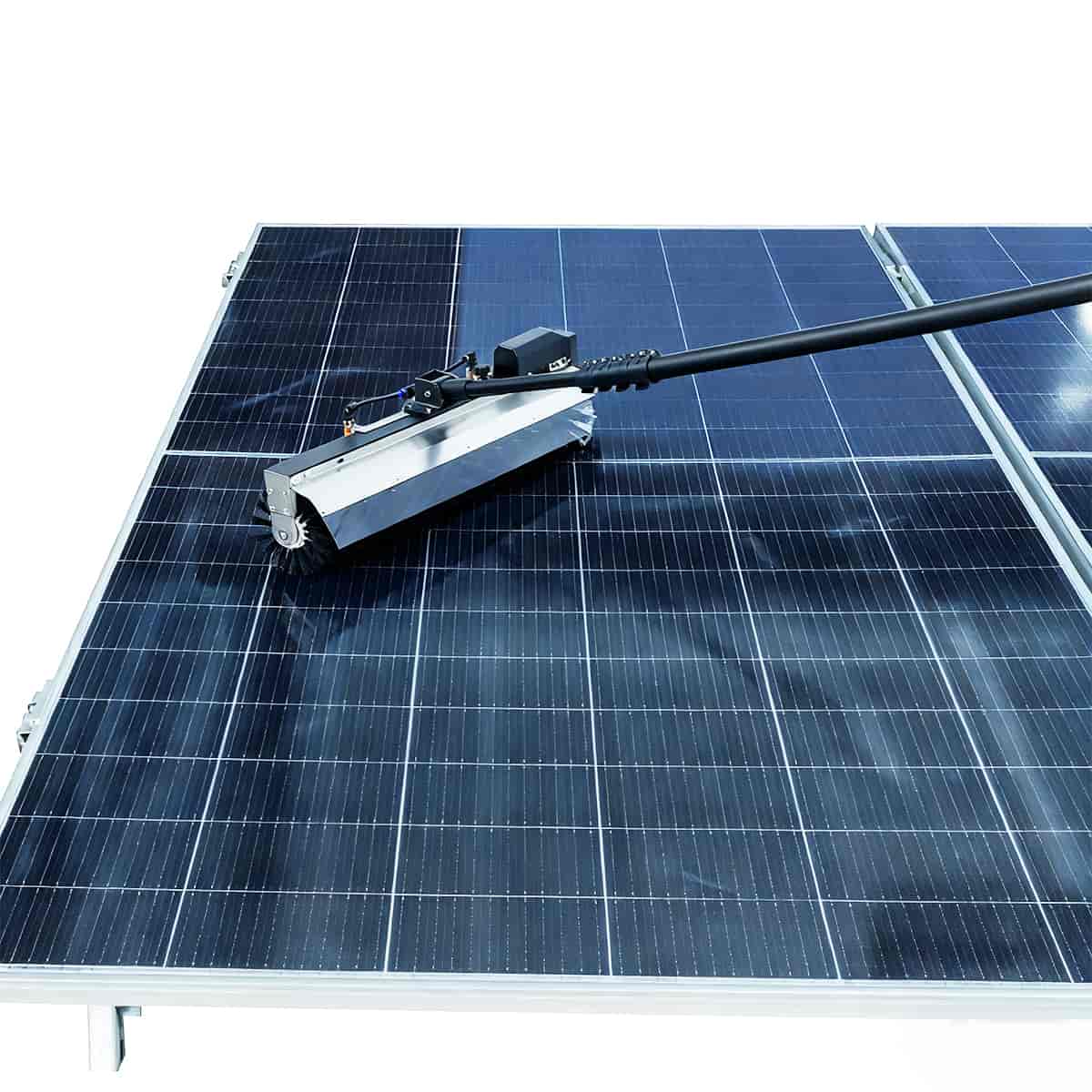
Solar panels usually require:
Periodic cleaning
Visual inspection
Performance monitoring
There are no moving parts inside photovoltaic modules, reducing mechanical failure risks.Using reliable components, including high-quality solar panels, inverters, and battery systems, can further improve system stability.
Choosing the Right Photovoltaic Technology for Your Home
Current mainstream residential photovoltaic technologies include:
PERC Solar Panels:Mature technology,Lower cost,Wide market availability
TOPCon Solar Panels:Higher efficiency,Lower degradation,Better long-term energy outputTOPCon has become one of the most widely adopted N-type photovoltaic technologies.
HJT Solar Panels:Higher efficiency potential,Better temperature performance,Strong low-light generation
For homeowners with limited roof space, higher-efficiency technologies can maximize electricity production.
Building a Complete Home Solar Energy Solution
The future of residential photovoltaic technology is moving toward intelligent energy systems.
A complete solution includes:High-Efficiency Solar Panels+Smart Solar Inverter+Lithium Battery Storage
MINVIC provides integrated solar solutions, by combining efficient solar generation with intelligent energy management, homeowners can improve energy independence and reduce long-term electricity costs.
Conclusion: Is Photovoltaic Technology Worth It?
For many homeowners, photovoltaic technology is becoming a practical long-term energy investment.
The main benefits include:
Lower electricity costs
Renewable energy generation
Long system lifespan
Energy independence
Compatibility with battery storage
With continuous improvements in solar photovoltaic technology, high-efficiency modules, smart inverters, and energy storage systems will make residential solar solutions more efficient and accessible.
For homeowners planning long-term energy savings, investing in a reliable photovoltaic system can provide both economic and environmental value.

