

How Does Photovoltaic Technology Work
What Is Photovoltaic Technology?
Photovoltaic (PV) technology enables the conversion of sunlight into usable electrical energy through semiconductor-based devices. The basic unit of a PV systemis called a solar cell, which is typically compact in size and generates around 1–2 watts of electricity under standard conditions. These cells are manufactured using various semiconductor materials and are extremely thin, often measuring less than the thickness of several human hairs. To ensure long-term outdoor performance, PV cells are enclosed between durable protective layers, such as glass or plastic, providing resistance against weather and environmental conditions.
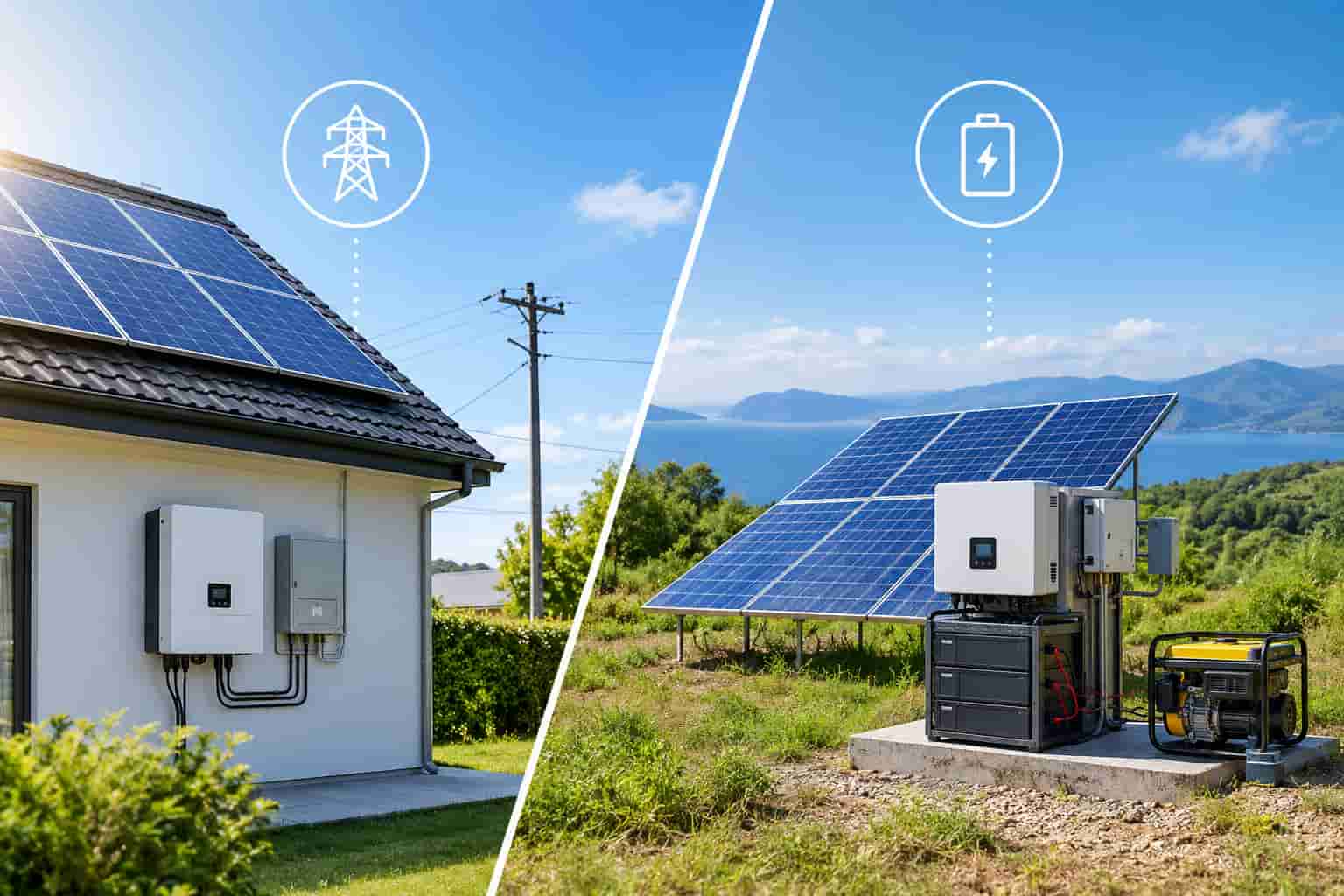
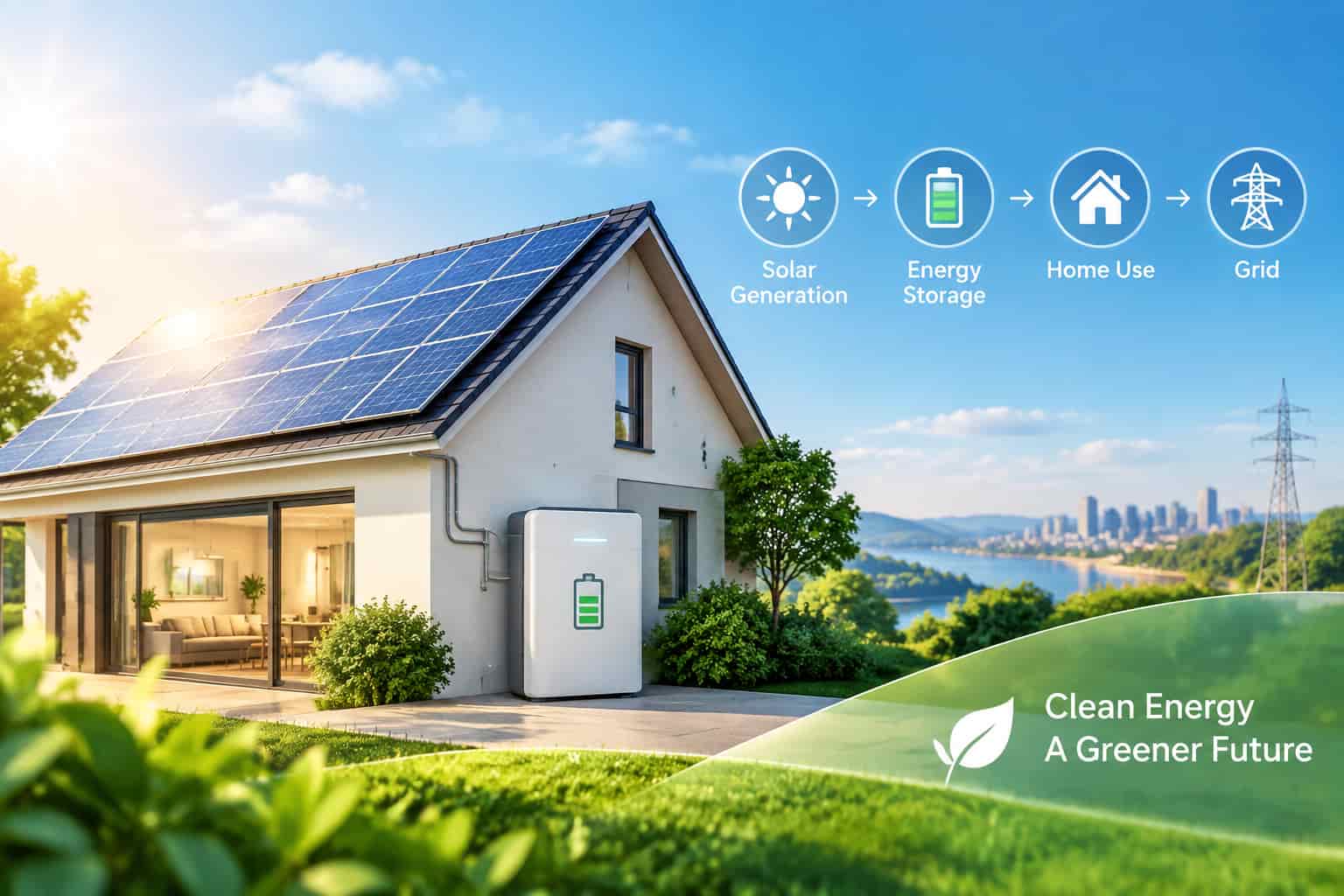
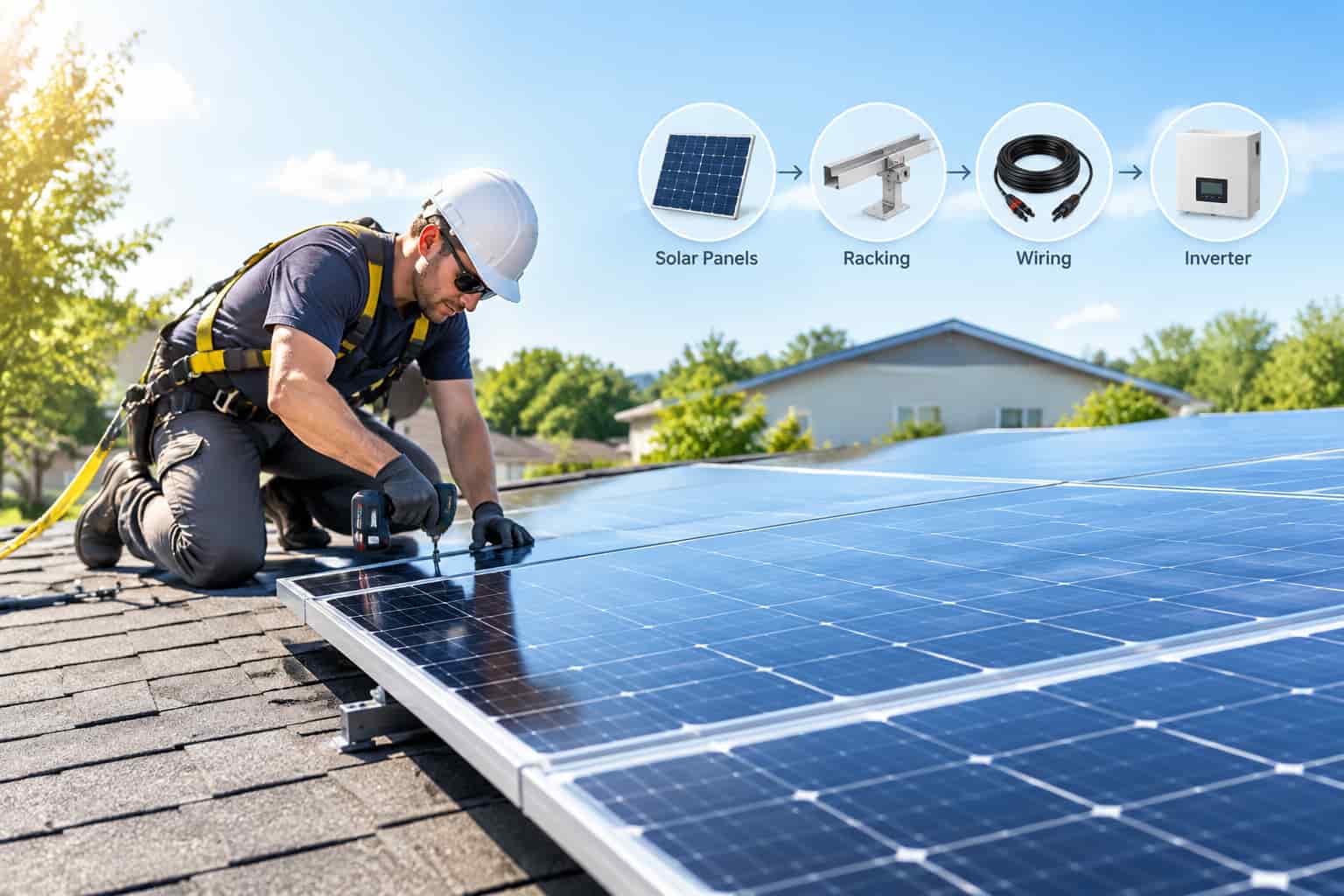
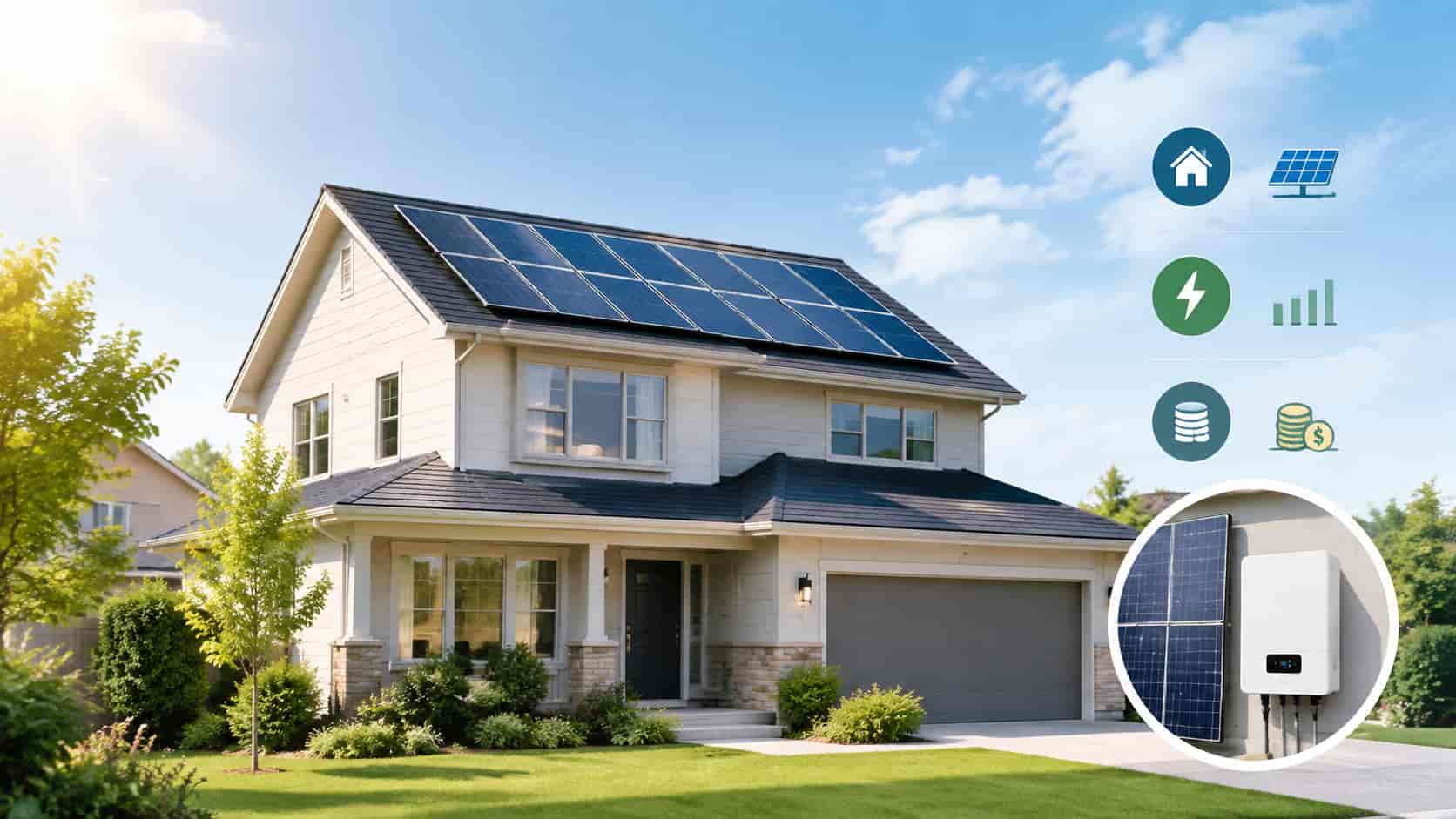
To achieve higher power generation capacity, multiple PV cells are interconnected and assembled into larger units known as solar modules or panels. Individual modules can operate independently, while multiple modules can be combined into arrays to increase overall output. These arrays are then integrated with other electrical components and connected to the power grid, forming a complete photovoltaic system. Thanks to their flexible and scalable design, PV systems can be customized for a wide range of applications, from small residential installations to large-scale commercial and utility projects.
PV cells, panels, and arrays
A photovoltaic (PV) cell is the fundamental component of a solar energy system. Individual PV cells are generally small in size, typically ranging from about 0.5 inches to 4 inches in diameter or width. Due to their limited power output, a single PV cell usually generates only around 1–2 watts of electricity, which is sufficient for low-power applications such as calculators, watches, and other small electronic devices.
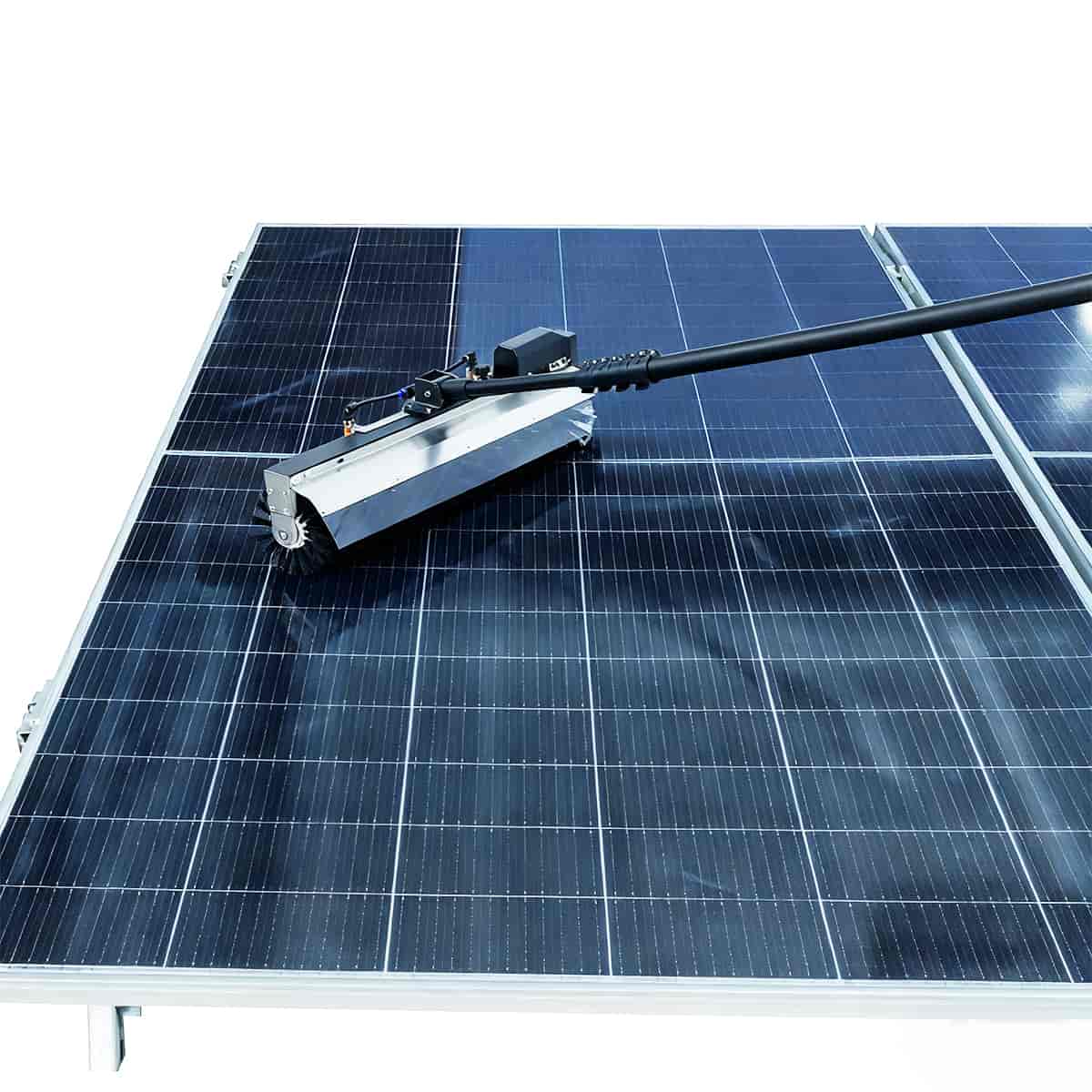
To increase energy production, multiple PV cells are electrically connected and assembled into a sealed, weather-resistant unit known as a photovoltaic panel or solar module. The power generation capacity of a PV panel depends on factors such as the number of cells integrated into the panel and its overall surface area. By connecting multiple solar panels together, larger PV arrays can be created to provide higher electricity output. Depending on the application, a PV array may contain only a few panels for small-scale systems or hundreds of panels for large commercial and utility-scale solar projects.
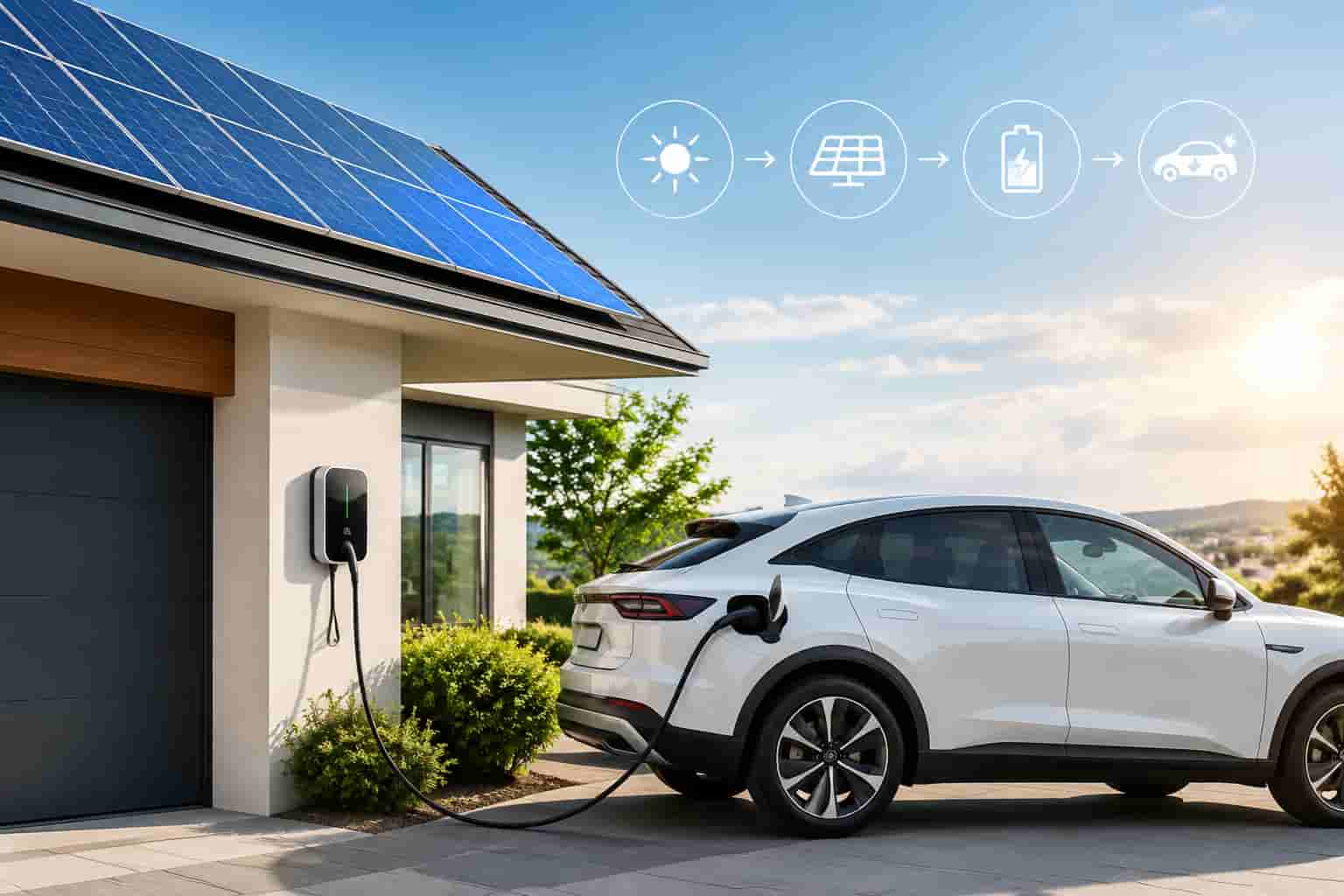
PV cells naturally generate direct current (DC) electricity. While DC power can be directly used in certain applications or stored in batteries, most residential, commercial, and grid-based electrical systems operate using alternating current (AC). Therefore, solar inverters are used within PV systems to convert the DC electricity generated by solar panels into AC electricity suitable for household appliances and grid connection.
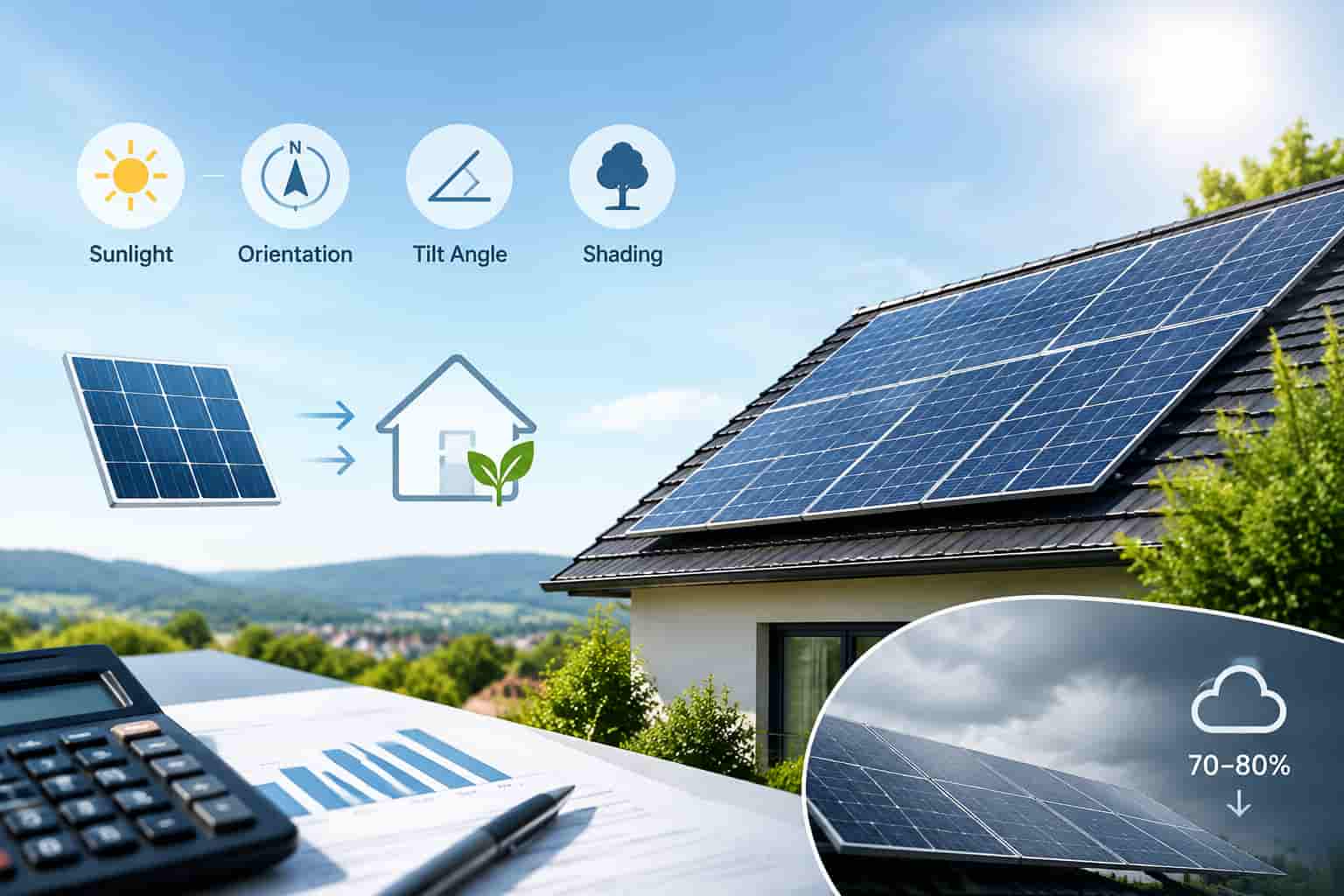
The electricity output of PV panels is highest when they receive direct sunlight. To maximize solar exposure, some systems use solar tracking technology that automatically adjusts panel angles according to the sun’s position. However, tracking systems can increase installation complexity and costs. For most photovoltaic installations, panels are mounted in a fixed orientation designed to achieve the best balance between energy production, system efficiency, and economic performance. In general, solar panels face south in the Northern Hemisphere and north in the Southern Hemisphere, with the tilt angle optimized according to the local climate and geographic conditions.

