




The Future of Photovoltaic Technology: Trends Shaping the Solar Energy Industry in 2026
Introduction: Photovoltaic Technology Continues to Drive the Global Energy Transition
Photovoltaic technology has become one of the most important solutions in the global transition toward renewable energy. With continuous improvements in solar cell efficiency, manufacturing processes, and energy management systems, solar photovoltaic technology is moving into a new stage of development.
According to the International Energy Agency (IEA), solar PV has become one of the fastest-growing clean energy technologies. The cost reduction of solar PV manufacturing and the expansion of global production capacity are key factors supporting further deployment of solar power worldwide.
The Evolution of Photovoltaic Technology: From PERC to Next-Generation Solar Cells
The development of photovoltaic technology has always focused on improving conversion efficiency while reducing manufacturing costs.
Over the past decade, the solar industry has experienced several important technology transitions:
PERC → TOPCon → HJT → BC (Back Contact)
Each generation improves solar cell performance through different approaches.
1. PERC Technology: The Foundation of Modern Solar PV
Passivated Emitter and Rear Cell (PERC) technology was widely adopted because it improved the efficiency of traditional crystalline silicon solar cells without significantly increasing manufacturing complexity.
PERC introduced a passivation layer on the rear side of the solar cell, reducing electron losses and improving energy conversion.
However, as the market demands higher power output and better performance, PERC technology is gradually reaching its efficiency limits.The solar industry has started moving toward advanced photovoltaic technologies based on n-type silicon platforms.
2. TOPCon Technology: The Current Mainstream Photovoltaic Technology
Tunnel Oxide Passivated Contact (TOPCon) technology is currently one of the most widely discussed next-generation solar technologies.
Compared with traditional PERC cells, TOPCon uses an n-type silicon wafer structure, which provides:
Higher conversion efficiency
Lower degradation rate
Better temperature coefficient
Improved long-term power generation performance
According to the International Energy Agency, n-type technologies such as TOPCon and HJT are important development directions after PERC because they provide efficiency advantages and better performance characteristics.
For many solar module manufacturers, TOPCon has become a practical choice for high-efficiency photovoltaic modules due to its balance between performance and production scalability.
3. HJT Technology: High Efficiency with Strong Performance Stability
Heterojunction (HJT) solar technology combines crystalline silicon with thin-film technology.
Its advantages include:
High conversion efficiency
Excellent temperature performance
High bifacial energy yield
Low degradation over time
Research from the National Renewable Energy Laboratory (NREL) shows that HJT technology maintains a significant efficiency advantage compared with traditional PV technologies, although manufacturing processes remain an important factor for commercial expansion.
For large-scale solar projects and premium residential applications, HJT is considered one of the promising advanced photovoltaic technologies.
4. IBC and BC Technology: The Future Direction of High-Efficiency Solar
Interdigitated Back Contact (IBC) technology moves electrical contacts to the rear side of the solar cell.
This design reduces front-side shading losses and allows more sunlight absorption.
The advantages include:
Higher efficiency potential
Cleaner module appearance
Better utilization of limited installation space
Back Contact (BC) technology represents another important direction for future photovoltaic development.
Although current production costs remain higher than mainstream technologies, BC technology continues to attract attention from manufacturers focusing on ultra-high-efficiency solar modules.
Beyond Solar Panels: Photovoltaic Technology Is Moving Toward Intelligent Energy Systems
Future photovoltaic technology is not only about improving solar cell efficiency.
The next stage of solar development will combine:
High-efficiency photovoltaic modules
Smart solar inverters
Battery energy storage systems
AI-based energy management platforms
Modern photovoltaic systems are becoming intelligent energy solutions rather than simple electricity generators.
With smart monitoring and energy management, solar users can optimize:
Solar self-consumption
Battery charging and discharging
Electricity cost management
Grid interaction
This trend is creating new opportunities for integrated solar solutions combining PV modules, inverters, and energy storage.
The Role of Energy Storage in Future Solar Photovoltaic Technology
Solar generation is naturally affected by weather conditions and daylight availability.
Energy storage has become a critical part of future solar photovoltaic systems.
A complete solar energy solution increasingly includes:
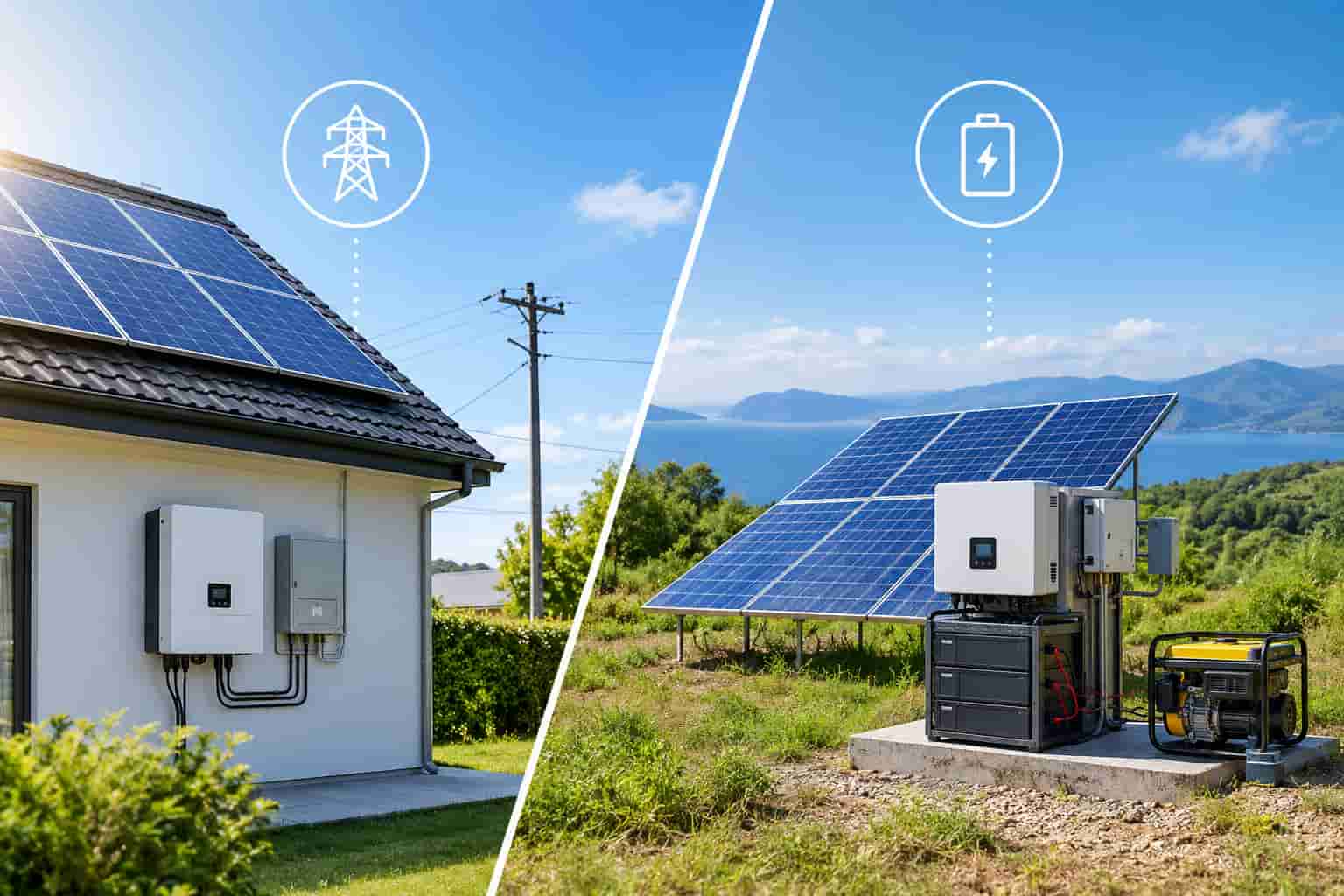
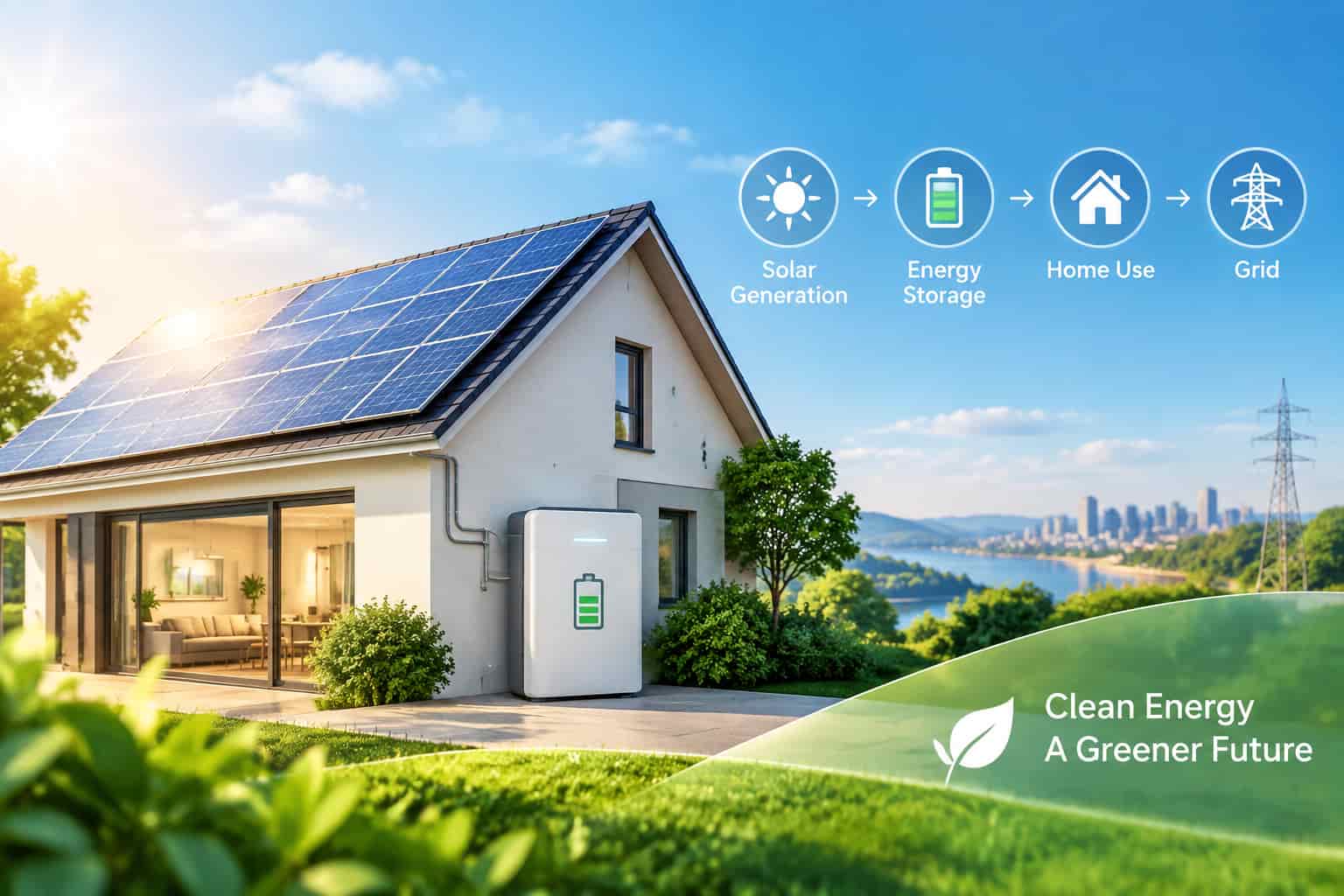
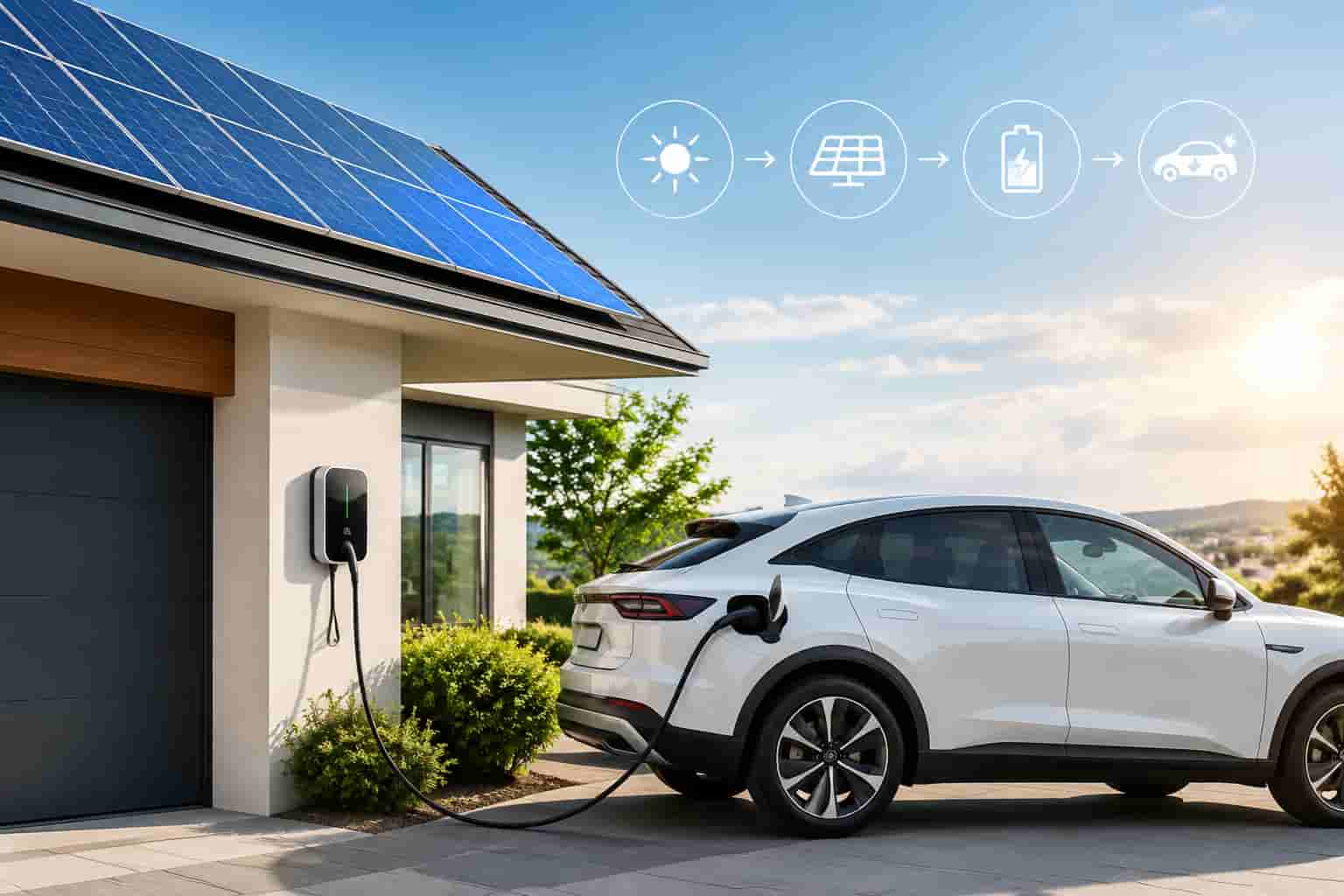
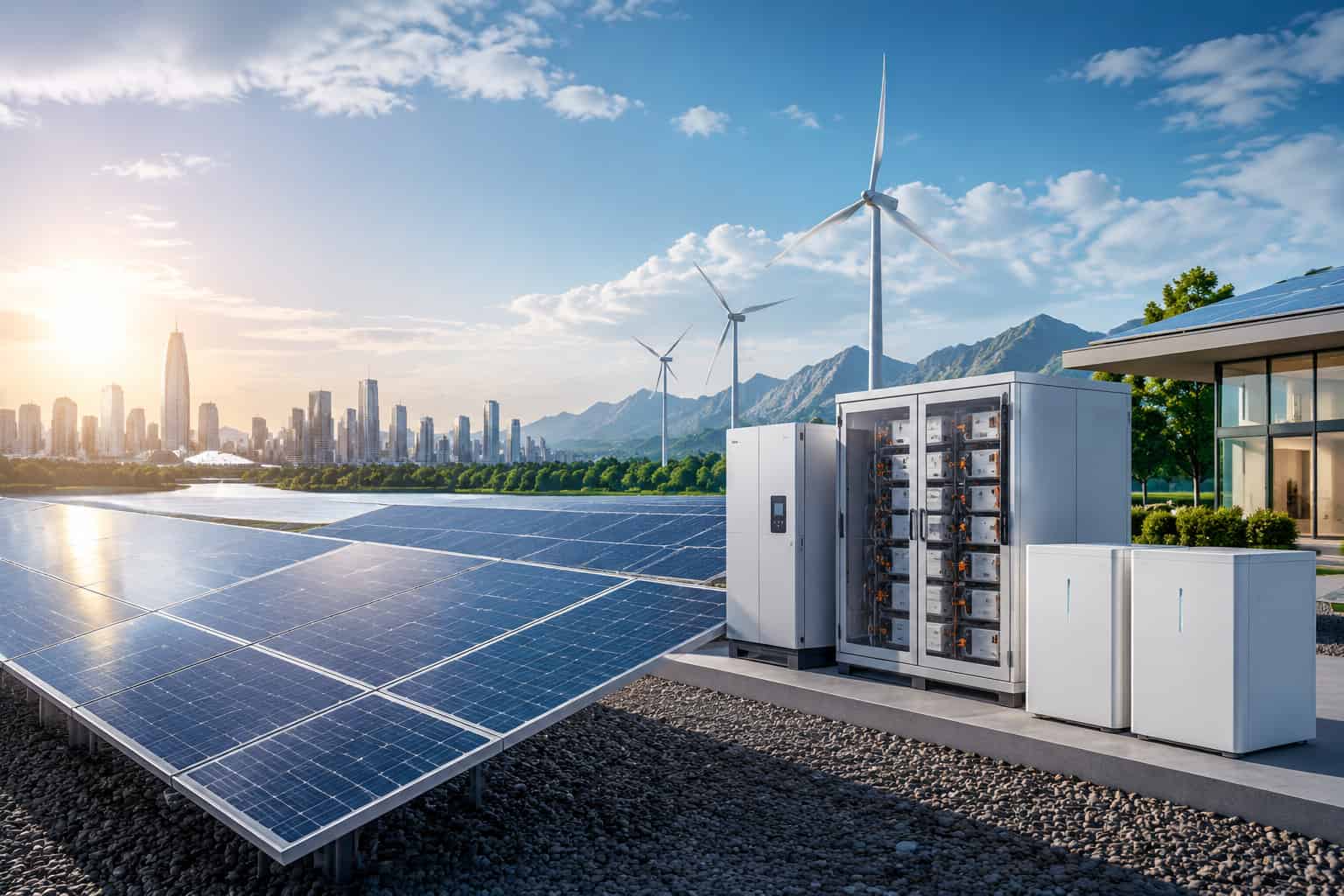
Solar Panels + Inverter + Battery Storage + Smart Energy Management
For example, residential and commercial users can store excess solar energy during the day and use it during peak electricity demand periods.
Our company provides integrated solar solutions including high-efficiency photovoltaic modules, solar inverters, and lithium battery energy storage systems. These products are designed to support flexible applications from residential solar systems to commercial energy projects.
What Is the Future of Photovoltaic Technology in the Next 5–10 Years?
The future development of photovoltaic technology will focus on several areas:
Higher Solar Cell Efficiency
Solar manufacturers will continue improving TOPCon, HJT, BC, and tandem solar technologies.
NREL’s photovoltaic research data shows continuous improvement in solar cell efficiency across different technology platforms, reflecting ongoing innovation in the PV industry.
Lower Manufacturing Costs
Reducing production costs remains a major goal for solar technology development.
Technologies that achieve a better balance between efficiency and manufacturing cost will have stronger market competitiveness.
Smart Solar Energy Management
Artificial intelligence and digital monitoring will become increasingly important in photovoltaic systems.
Smart energy platforms will help users optimize electricity generation, storage, and consumption.
Solar + Storage Integration
The combination of photovoltaic technology and battery storage will become a standard solution for achieving greater energy independence.
Conclusion: Advanced Photovoltaic Technology Defines the Future of Solar Energy
Photovoltaic technology is rapidly evolving from traditional solar power generation toward intelligent renewable energy systems.
PERC technology established the foundation of modern solar manufacturing. TOPCon and HJT are accelerating the transition toward higher efficiency. BC and emerging technologies are preparing the industry for the next generation of solar innovation.
For solar businesses, distributors, and installers, choosing reliable photovoltaic technology partners will become increasingly important.
By combining advanced solar modules, efficient inverters, and energy storage solutions, companies can provide customers with complete and future-ready solar energy systems.
The future of solar energy will be defined by higher efficiency, smarter management, and deeper integration of renewable power technologies.

