
FAQ Chapter 2: How Do Solar Panels Perform in Extreme Weather Conditions?
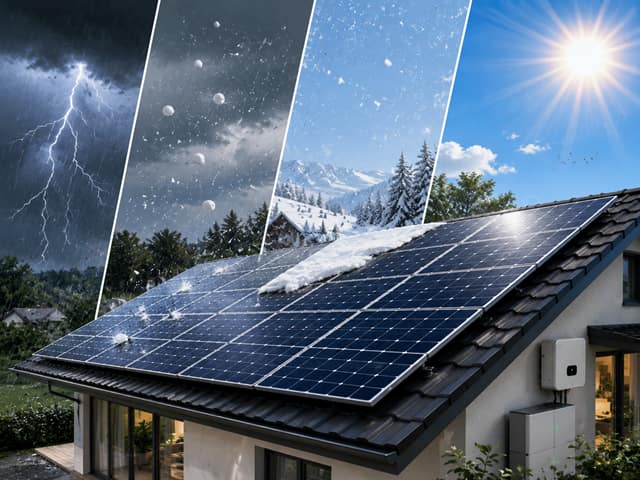
Solar panels are designed to operate reliably under a wide range of environmental conditions. However, many homeowners still have concerns about how solar systems perform during extreme weather events, including heavy rain, strong winds, snow, hail, and high temperatures.
Modern solar panels are built with durable materials and undergo strict testing to withstand challenging environments. With proper installation, regular inspections, and basic maintenance, a solar energy system can continue generating clean electricity efficiently for decades.
This guide explains how solar panels respond to extreme weather conditions and what practical maintenance measures can help extend their service life.
1. How Do Solar Panels Handle Heavy Rain?
Solar panels are designed to be weather-resistant and can operate normally during rainfall. Most solar modules are manufactured with waterproof sealing and protective layers to prevent moisture from entering internal components.
Rain can also provide a natural cleaning effect by washing away some dust and surface debris, helping maintain solar energy production.
Recommended Maintenance Practices:
Check that drainage paths around the solar panels remain clear
Inspect panels after severe storms for cracks or physical damage
Ensure mounting structures and electrical connections remain secure
For areas with frequent heavy rainfall, professional inspection after extreme weather events can help identify potential issues early.
2. Can Solar Panels Withstand Strong Winds?
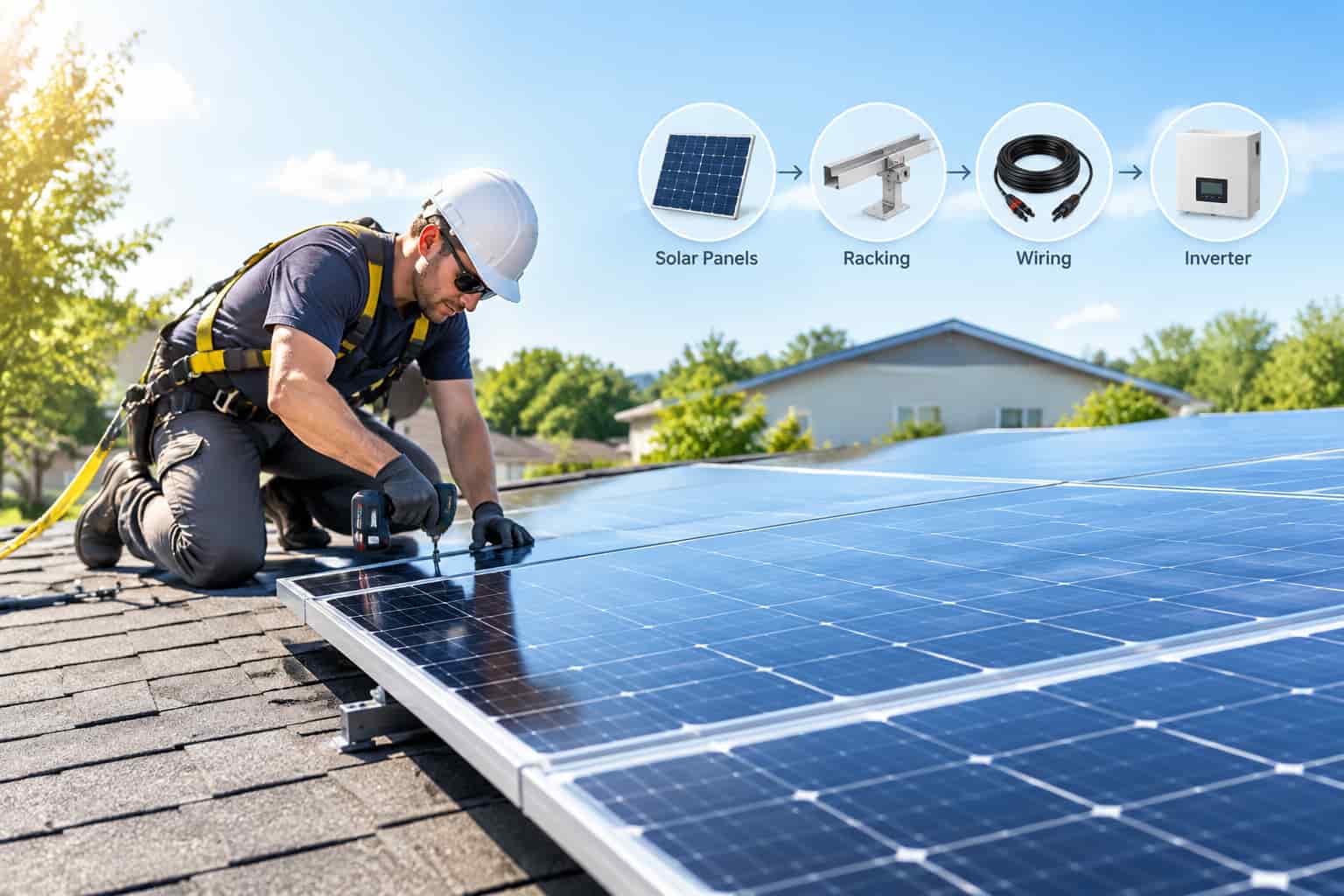
High-quality solar panels are designed to withstand strong wind loads when installed with appropriate mounting systems. The durability of a solar system depends not only on the panels themselves but also on the quality of the mounting structure and installation conditions.
Recommended Maintenance Practices:
Regularly check whether mounting brackets remain stable
Inspect for loose bolts or damaged support structures
Remove nearby objects that could fall and damage the panels during storms
Proper system design and installation are essential factors in improving wind resistance.
3. What Happens to Solar Panels During Hailstorms?
Hail is one of the weather conditions that concerns many solar system owners. Most certified solar panels are tested for impact resistance and designed to withstand common hail events.
However, extremely large hailstones or severe storms may still cause physical damage, such as cracks or surface defects.
Recommended Maintenance Practices:
Visually inspect panels after severe hailstorms
Check for visible cracks, broken glass, or reduced energy output
Use system monitoring data to identify unusual performance drops
If damage is suspected, professional inspection is recommended before continuing operation.
4. How Do Solar Panels Perform in Snow and Cold Weather?
Solar panels can continue generating electricity in cold climates. In fact, photovoltaic modules often operate efficiently at lower temperatures because excessive heat can reduce solar panel performance.
Light snow usually melts or slides off naturally due to the angle of installation and sunlight exposure.
Recommended Maintenance Practices:
Remove heavy snow accumulation when necessary to restore sunlight exposure
Avoid using sharp tools that may scratch the panel surface
Ensure snow does not block ventilation areas of related equipment
For regions with frequent snowfall, selecting suitable installation angles can improve snow shedding performance.
5. Can High Temperatures Affect Solar Panel Performance?
High temperatures can influence solar panel efficiency because photovoltaic modules generally produce slightly less power as operating temperatures increase.
Although solar panels are designed for outdoor environments, prolonged exposure to extreme heat may affect system performance over time.
Recommended Maintenance Practices:
Keep sufficient airflow around solar panels and inverter equipment
Avoid placing objects that block ventilation areas
Monitor system performance during hot seasons
Install inverters in suitable locations away from excessive heat exposure
Proper system design helps maintain stable operation in hot climates.
Practical Solar Panel Maintenance Tips
Solar panels require relatively low maintenance compared with many other energy systems. However, simple routine care can help maintain efficiency and extend system lifespan.
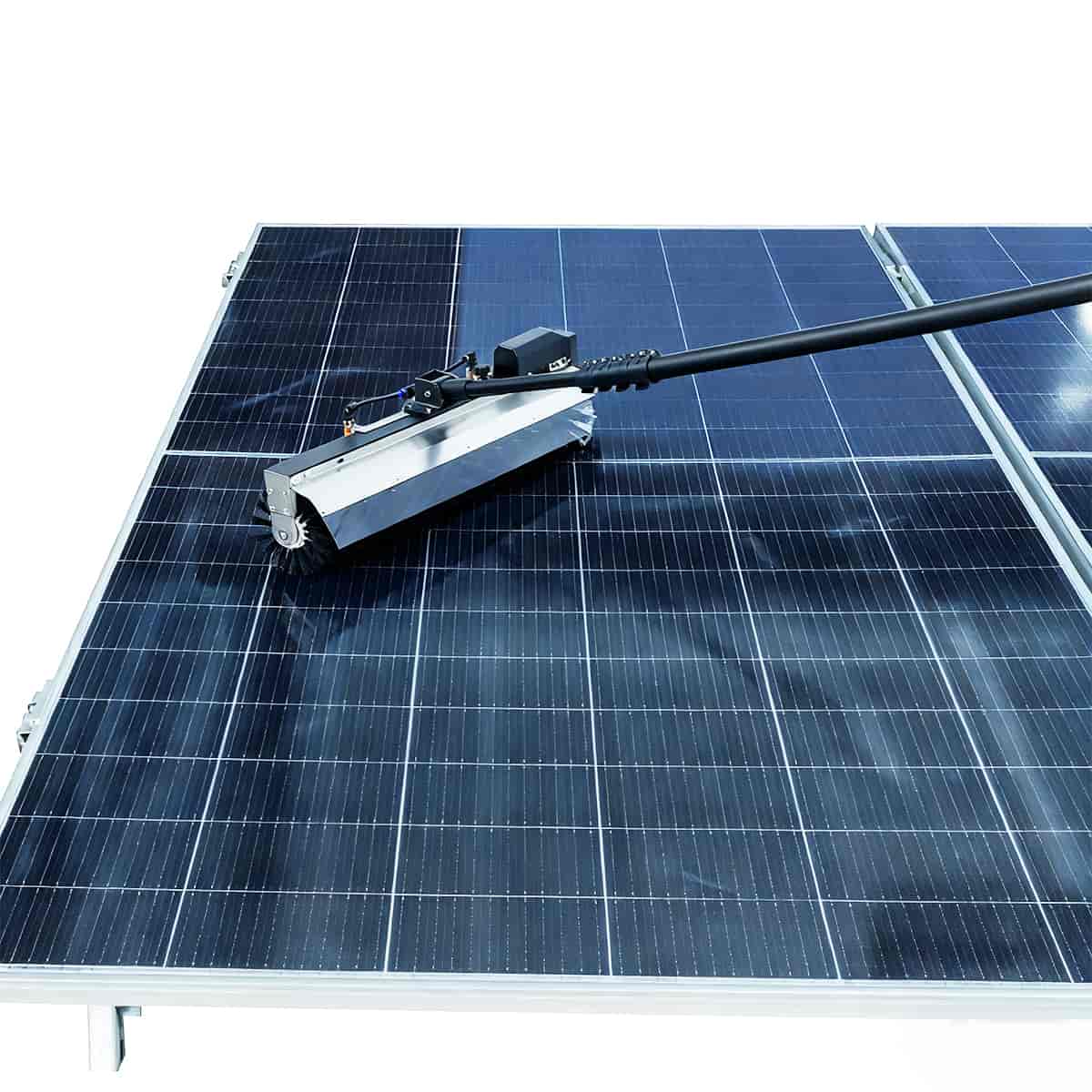
Regular Cleaning
Dust, leaves, bird droppings, and other debris can reduce sunlight absorption and affect energy production.
Recommended actions:
Clean panels when significant dirt accumulation is visible
Use clean water and soft cleaning tools
Avoid abrasive materials that may damage the surface
The cleaning frequency depends on local climate conditions, such as dust levels, rainfall, and surrounding environment.
Monitor System Performance
Most modern solar systems include monitoring platforms that allow users to check energy production in real time.
Users should pay attention to:
Sudden drops in power generation
Unusual system alerts
Changes compared with previous energy production levels
Check Surrounding Environmen
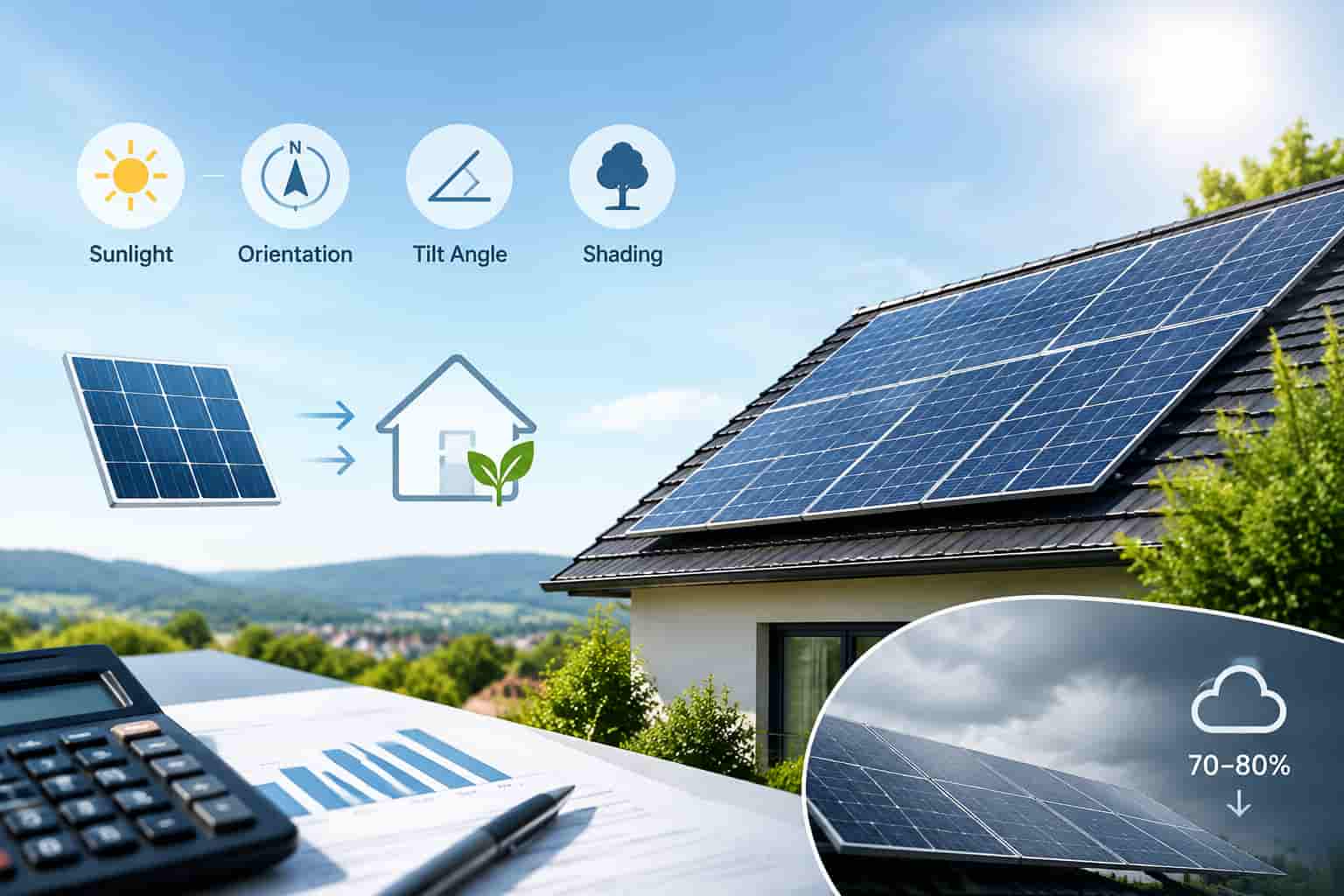
The surrounding area can affect solar system performance.
Regular checks should include:
Removing leaves or branches that create shading
Keeping the installation area clean
Ensuring nearby construction or vegetation does not block sunlight
Schedule Periodic Professional Inspections
Although solar systems are designed for long-term operation, occasional professional inspections can help ensure safety and reliability.
Professional checks may include:
Electrical connection inspection
Inverter operation testing
Mounting system evaluation
Battery system inspection (for solar storage systems)
Conclusion
Solar panels are built to withstand various environmental challenges, including rain, wind, snow, hail, and high temperatures. While modern photovoltaic systems require minimal maintenance, regular monitoring, basic cleaning, and timely inspections can significantly improve system reliability and extend service life.
By understanding how solar panels respond to extreme weather conditions and following practical maintenance practices, homeowners can maximize energy production and enjoy the long-term benefits of solar power.
Interested in building a reliable solar energy system for your home? Contact us to explore high-quality solar panels, hybrid inverters, and energy storage solutions. Our professional team is ready to provide suitable product recommendations and technical support based on your project requirements.

