
How Does a Single‑Phase Hybrid Inverter Actually Reduce Home Energy Use and Electricity Bills?
With global electricity prices climbing relentlessly, more households are turning to solar photovoltaic systems as a definitive solution to cut monthly outgoings. At the heart of this energy transition, the single‑phase hybrid inverter has evolved from a niche technical component into an essential cornerstone of the modern energy‑saving home.
What Makes a Single‑Phase Hybrid Inverter Different?
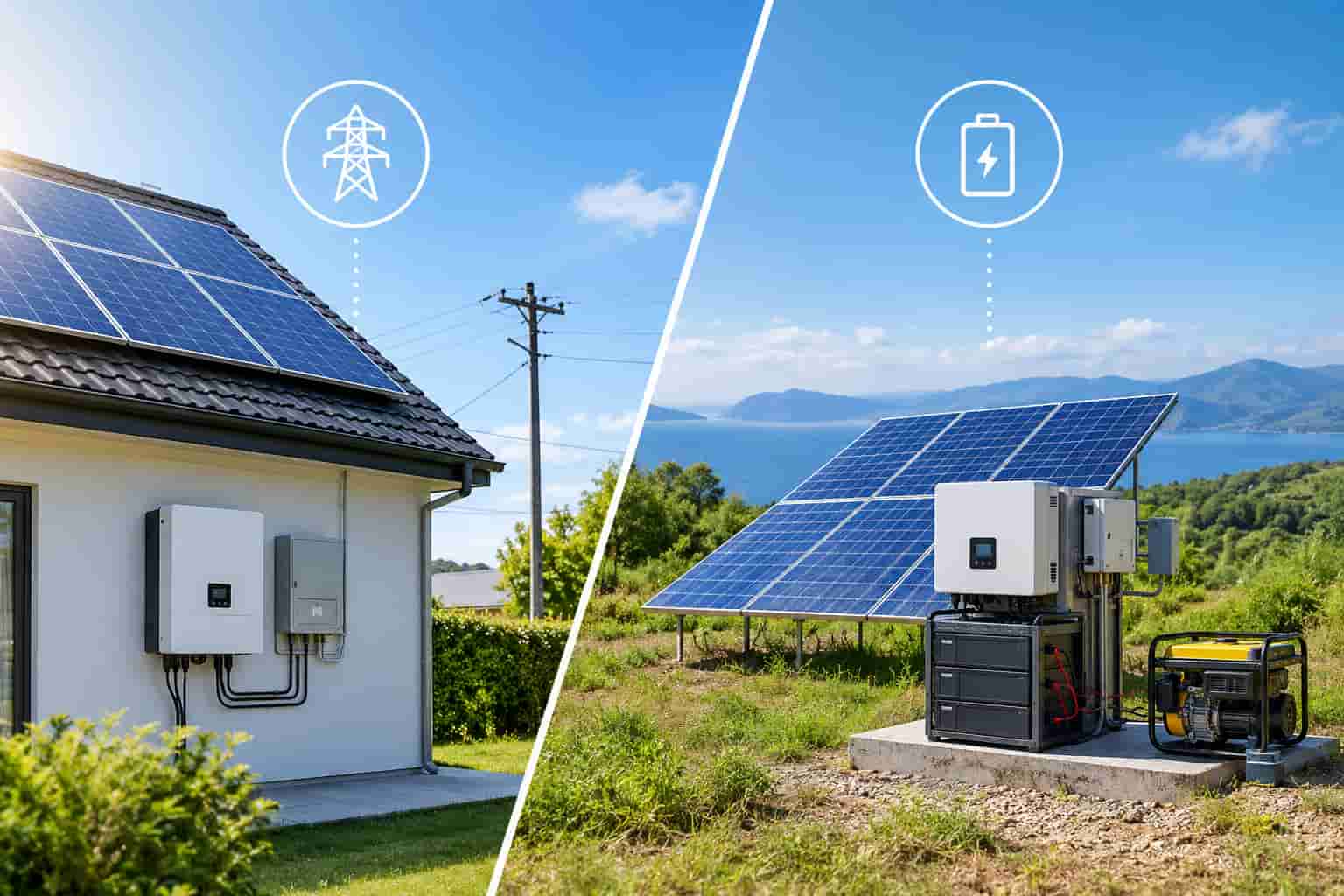
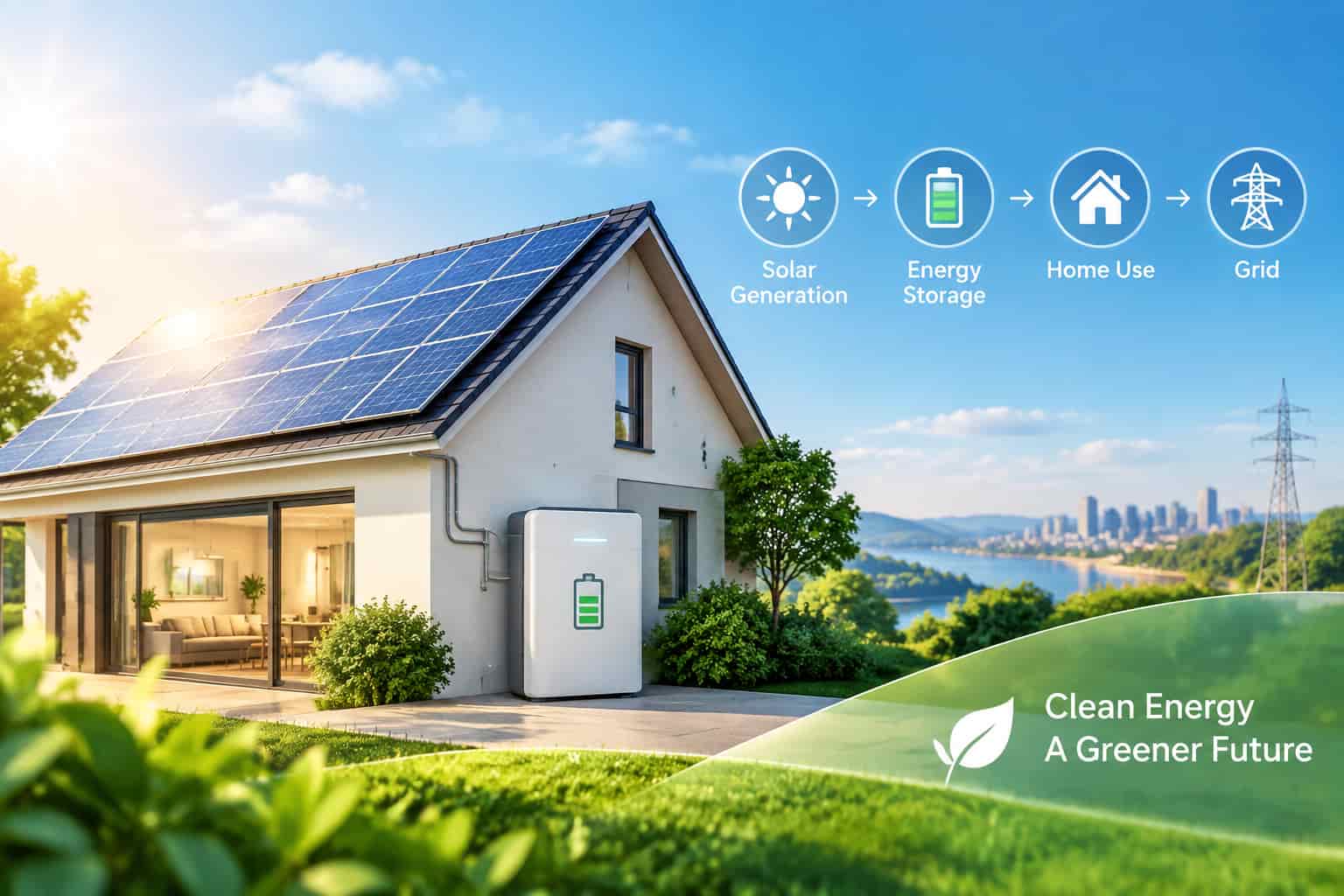
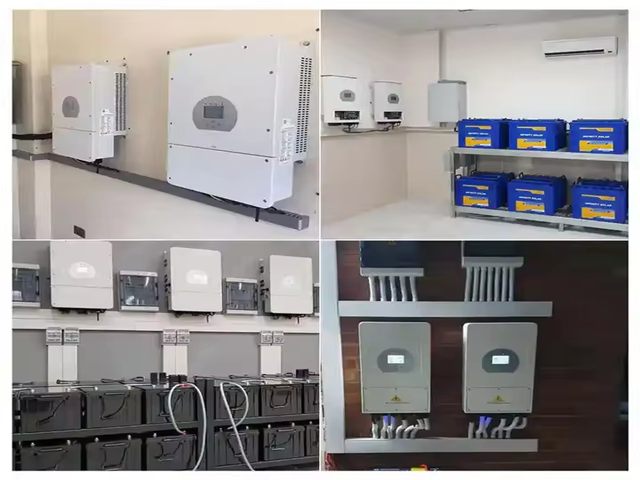
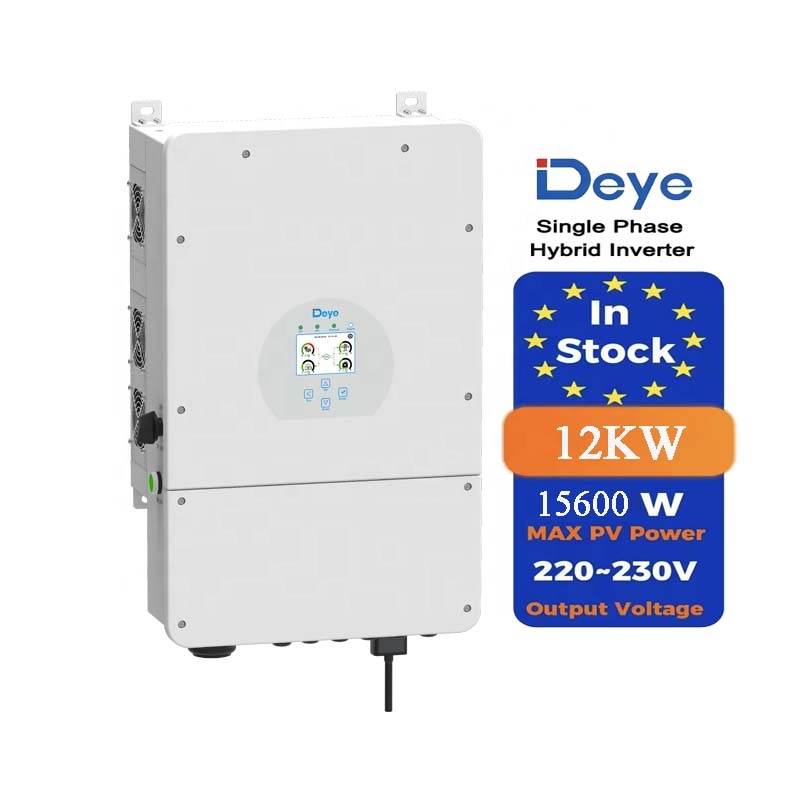
Unlike traditional string inverters, a hybrid inverter acts as the central "energy dispatcher" for your household. Its primary job is to convert DC power from solar panels into AC power for your appliances – but its real game‑changer lies in intelligent battery storage. It can divert surplus solar generation during the day into a battery bank, rather than wasting it or feeding it back to the grid at low feed‑in tariffs. This dual capability – powering loads in real time while storing excess energy – is what fundamentally separates hybrid inverters from older models.
How Does That Translate into Real Savings?
While the concept of "storing power" sounds straightforward, many homeowners considering a solar installation remain confused: Does simply storing electricity really lower your utility bill in a meaningful way? Without a clear grasp of the underlying energy logic, it’s difficult to calculate return on investment or even justify the upfront cost.
To address these doubts, the following sections will dive into the practical working algorithms of single‑phase hybrid inverters in real‑world household scenarios.
How a Single‑Phase Hybrid Inverter Saves Energy and Cuts Bills: 4 Key Mechanisms
1. Direct Use of Free Solar Energy
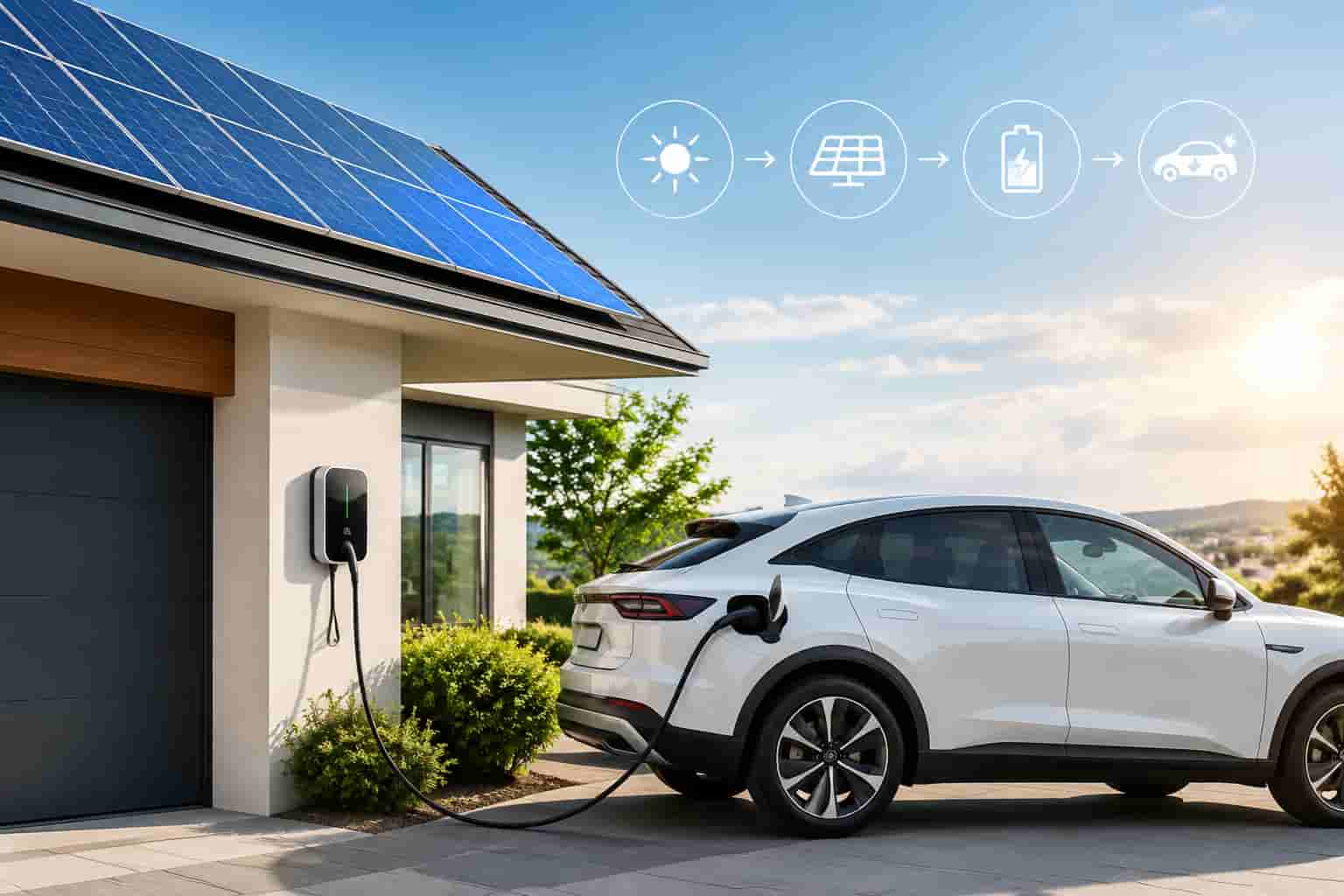
Solar panels installed on your roof generate DC electricity from sunlight. The hybrid inverter converts this DC into usable AC power and supplies it directly to your home appliances during the day. As long as the sun shines, your household runs on free solar energy – meaning zero electricity purchase from the grid for that period. This is the most basic and immediate saving mechanism.
2. Intelligent Battery Storage for Night‑Time Use
During daylight hours, solar production often exceeds your home’s immediate consumption. Instead of wasting this surplus, the hybrid inverter automatically channels the excess DC power into connected batteries for later use. When the sun goes down, the inverter draws on this stored energy, converting it back to AC to power your appliances. This significantly reduces your reliance on grid electricity at night, directly trimming your monthly bills – all without any manual intervention.
3. Peak‑Time Load Shifting to Avoid High Tariffs
If your solar system is small or your household demand spikes, you may not generate enough power even during the day. However, the real cost savings come during peak tariff hours – when grid electricity is most expensive. In these periods, the hybrid inverter intelligently switches your home’s power source from the grid to the battery bank. This shifts your consumption away from costly peak‑rate electricity. When off‑peak hours return, the inverter seamlessly switches back to the grid, ensuring you only buy power when it’s cheapest.
4. Net Metering – Monetising Excess Generation
When your batteries are fully charged and your solar panels still produce surplus energy, the hybrid inverter can feed that extra power back into the utility grid. This requires a net metering arrangement – a separate setup that must be approved by your electricity provider. Once active, the inverter exports excess energy to the grid, and you receive compensation in one of two common forms:
Credit‑based – you can draw the same amount of energy later (e.g., at night) without extra cost.
Tariff‑based – you get paid a fixed rate per unit exported, which varies by country and provider.
Either way, net metering further reduces your net electricity bill, and in some cases can even turn your system into a small revenue source. Combined with battery storage, it ensures that virtually no solar energy goes unused – day or night.
Conclusion:
Although a single‑phase hybrid inverter requires a notable upfront investment, its long‑term financial and operational advantages make it a highly cost‑effective choice for modern homes.
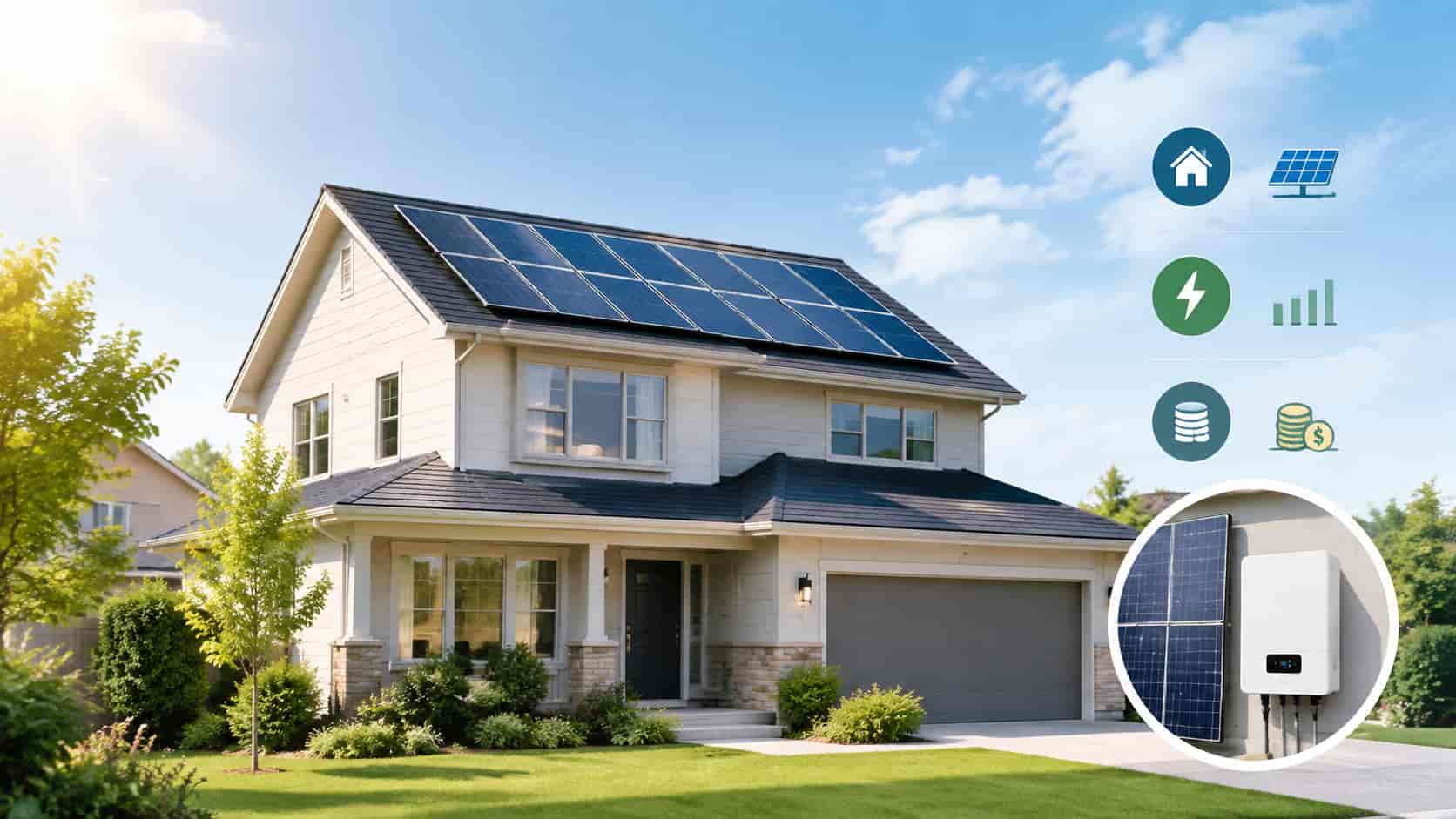
At its core, this device does three essential things simultaneously: it powers standard household appliances (220–240V) directly from solar energy, stores surplus generation in batteries for later use, and—when net metering is enabled—exports any remaining excess electricity back to the utility grid. This seamless triple‑action approach drastically reduces your dependence on conventional grid power.
The direct result is a significant and sustained drop in monthly electricity bills—a benefit that becomes even more valuable as global energy prices continue to climb. Beyond monetary savings, the built‑in battery backup ensures essential appliances keep running during grid outages, adding an extra layer of energy security for your household.
In short, while the initial cost may be higher than that of a standard inverter, the combination of reduced utility expenses, protection against rising tariffs, and reliable backup power makes the single‑phase hybrid inverter a smart, future‑proof investment for any energy‑conscious homeowner.

